How to Say Is in Spanish | Ser and Estar Usage Explained
Updated for 2026, understanding how to translate "is" into Spanish can be a nuanced process due to the language's use of two verbs: ser and estar. This article delves into the correct usage of these verbs in various contexts.
In Spanish, the verb 'is' is translated using either "es" (a conjugation of ser) or "está" (a conjugation of estar). The choice between them depends on whether you're describing a permanent characteristic or a temporary state.
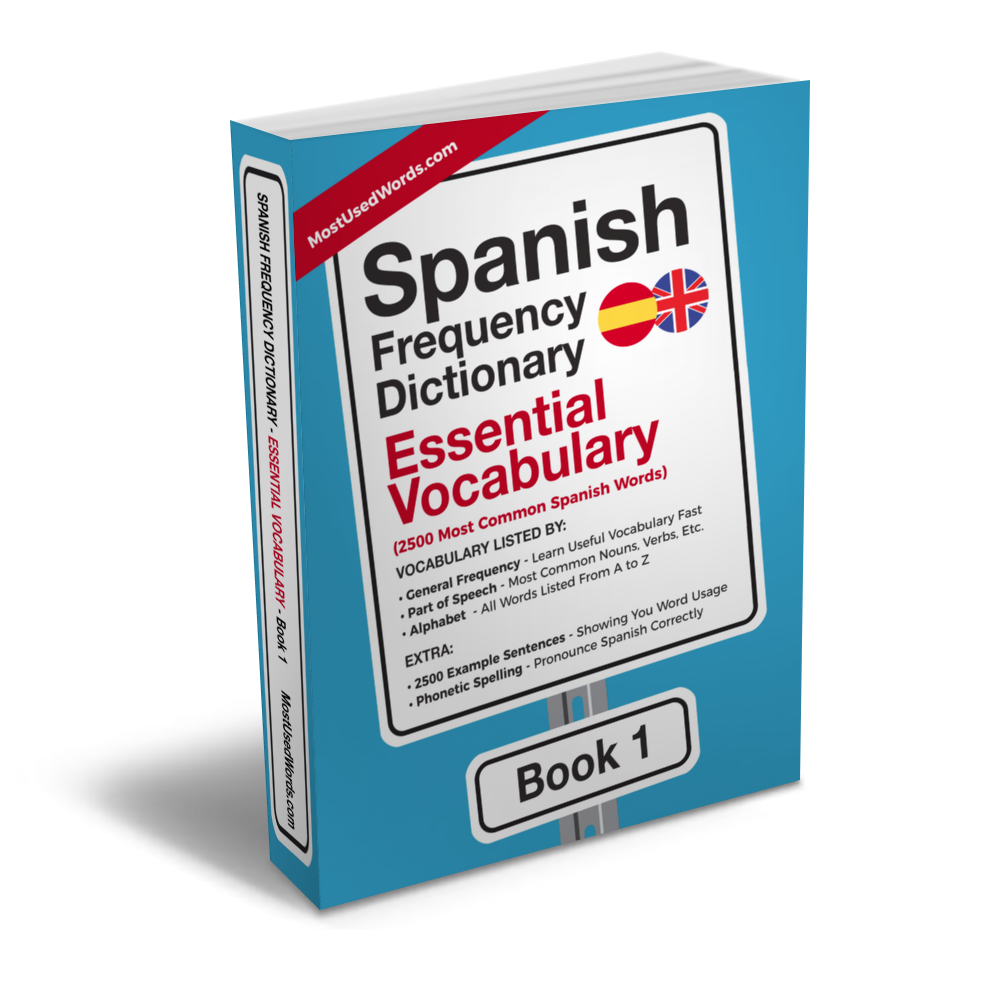
2,500 most common Spanish words with IPA pronunciation & bilingual example sentences
Pronunciation Guide for 'Es'
Watch our video guide to learn the correct pronunciation of 'es' and distinguish it from similar-sounding words like este (this) or ese (that).
Differences Between Ser and Estar
Want to improve your Spanish?
The Spanish Frequency Dictionary series covers the 10,000 most common Spanish words — ranked by how often native speakers actually use them, with IPA pronunciation, English translations, and bilingual example sentences at every level.
Browse all 4 volumes →Ser:
- Identity: Él es un estudiante. (He is a student.)
- Nationality: Ella es mexicana. (She is Mexican.)
- Occupation: Él es doctor. (He is a doctor.)
- Characteristics: La casa es grande. (The house is big.)
- Negative Sentences: No es cierto que... (It's not true that...)
- How to Say Are in Spanish | Ser vs Estar Usage Guide
Estar:
- Mood or Condition: Estoy cansado. (I am tired.)
- Location: Está en la casa. (He is in the house.)
- Temporary States: El libro está encima de la mesa. (The book is on top of the table.)
- Negative Sentences: No estoy cansado. (I am not tired.)
Comparison with Other Languages
While many languages have a single verb for 'to be', Spanish distinguishes between permanent characteristics and temporary states, making it unique in its approach to describing existence or being.
Translating Is to Spanish
To translate 'is' into Spanish:
- Identify the subject: In Spanish, the subject comes before the verb. For example, "The cat is black" translates to "El gato es negro."
- Choose the correct form of ser or estar: Use 'es' for permanent characteristics and 'está' for temporary states.
- Place the adjective after the verb: In Spanish, adjectives generally come after the verb. For example, "The house is big" becomes "La casa es grande."
Related Articles
Build Your Spanish Vocabulary Systematically
The fastest way to grow your Spanish vocabulary is to start with the words you'll actually encounter every day. The Spanish Frequency Dictionary covers the 2,500 most common Spanish words, each with IPA pronunciation, an English translation, and bilingual example sentences.
Browse the full range of Spanish frequency dictionaries to find the volume that matches your level.