

Who-What-Where-When-Why in Spanish - Guide and Practice Exer
Updated for 2026, the words who, what, where, when, and why are essential interrogative terms that help us gather information effectively. In Spanish, these translate to quién, qué, dónde, cuándo, y por qué, respectively.
The words who, what, where, when, and why (quién, qué, dónde, cuándo, y por qué) are fundamental for asking questions in Spanish. Understanding how to use these interrogative words correctly is crucial for effective communication.

Have you ever thought that learning new vocabulary was boring? Our Spanish Frequency Dictionaries are a great source of information if you want to learn Spanish effectively. You’ll get 10,000 most used words in Spanish listed by frequency and alphabet. Every entry also has an example sentence translated into English, which shows you word usage in context.
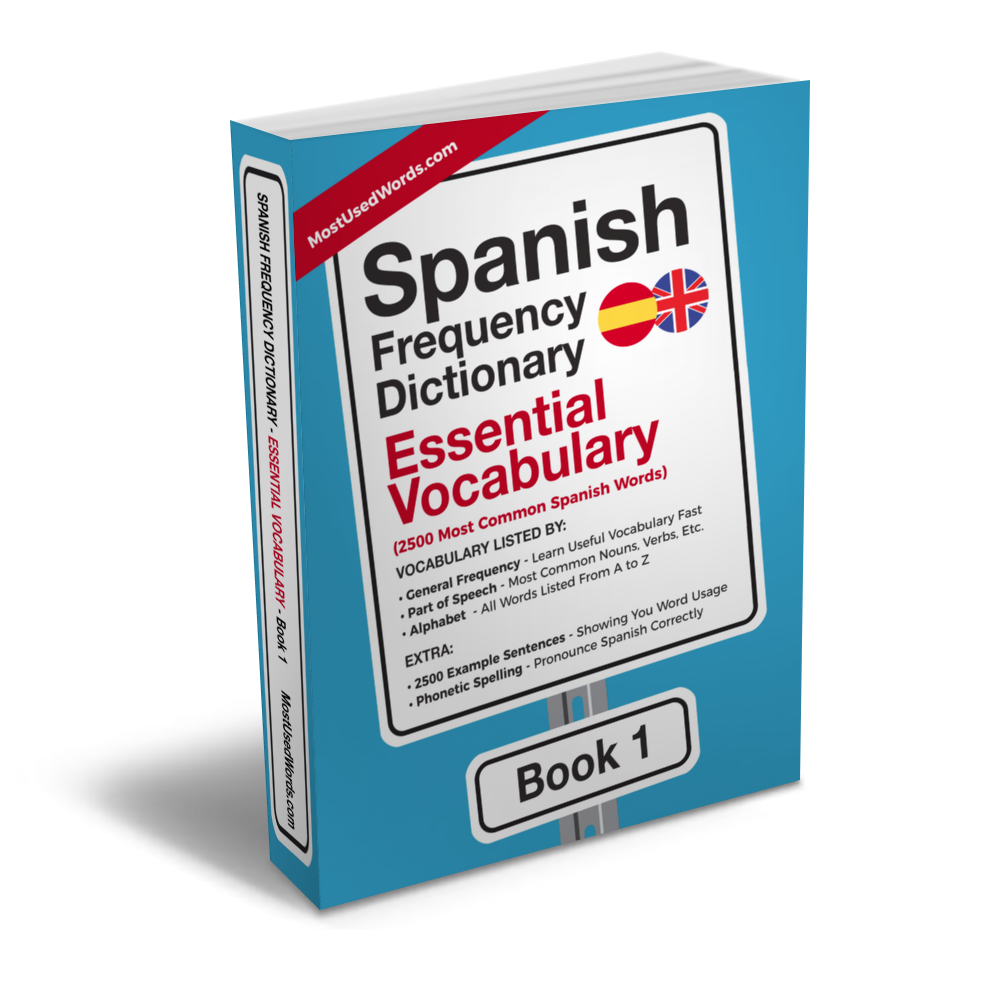
2,500 most common Spanish words with IPA pronunciation & bilingual example sentences
How to Say Who-What-Where-When-Why in Spanish
We’ll look at the main Spanish question words and their usage. Whenever you travel in a Spanish-speaking country, knowing how to translate and use these basic question words will come in handy!
How to Use Quién (Who) in Spanish
Want to improve your Spanish?
The Spanish Frequency Dictionary series covers the 10,000 most common Spanish words — ranked by how often native speakers actually use them, with IPA pronunciation, English translations, and bilingual example sentences at every level.
Browse all 4 volumes →The word “who” appears frequently in everyday conversations since we always talk about other people. There are different ways in which it is used; below are the most common areas you are likely to use it in.
- This is used when asking questions about people, such as who is responsible for something or who is going somewhere.
It’s pronounced [ˈkjen]. Unlike in English, it also has a plural form quiénes.
- Quién me llamó? – Who called me?
- Quien en la tierra caminó sobre mi piso limpio con barro? – Who on earth walked over my clean floor with mud?
It is also used when asking indirect questions or making statements, often to prompt the correct answer.
- No estoy seguro con quien debería hablar. – I am not sure who I should be talking to.
- Note that when used as a relative pronoun, quien does not have an accent mark.
When you want to be specific about the person you are talking about, “who” is used to add defining information. This distinguishes the person responsible over others like them.
- El chico alto que cruzó la arena es mi alumno. – The tall boy who walked across the arena is my student.
How to Translate “What” into Spanish (Qué)
The translation of “what” is qué. It’s pronounced [ˈke]. Although most appearances of the word “what” in everyday conversation are in questions, there are some usages that can be viewed as rude expressions. Below are several uses of the word.
- Qué quiere decir? – What do you mean?
- No estoy seguro de lo que esperan de mí. – I am not sure what they expect of me.
Note that there is a difference between qué and que. Without an accent mark, it’s used as a relative pronoun: No sé lo que quiere. – I don’t know what you want.
How to Say Where in Spanish (Dónde)
The word “where” translates to dónde. It’s used to ask about the location of something or someone. Here are some examples:
- Dónde está la biblioteca? – Where is the library?
- No sé dónde dejé mis llaves. – I don’t know where I left my keys.
How to Say When in Spanish (Cuándo)
The word “when” translates to cuándo. It’s used to ask about the time or occasion of an event. Here are some examples:
- Cuándo llegaste ayer? – When did you arrive yesterday?
- No sé cuándo iré a la playa. – I don’t know when I’ll go to the beach.
How to Use Por Qué for Why in Spanish (Por qué)
The word “why” translates to por qué. It’s used to ask about reasons or causes. Here are some examples:
- Por qué estás triste? – Why are you sad?
- No sé por qué no me llamaste. – I don’t know why you didn’t call me.
Common Phrases Using Who-What-Where-When-Why in Spanish
Here are some common phrases that use these interrogative words:
- ¿Quién es? – Who is it?
- ¿Qué hora es? – What time is it?
- ¿Dónde estás? – Where are you?
- Cuándo vendrás? – When will you come?
- Por qué no? – Why not?
Build Your Spanish Vocabulary Systematically
The fastest way to grow your Spanish vocabulary is to start with the words you'll actually encounter every day. The Spanish Frequency Dictionary covers the 2,500 most common Spanish words, each with IPA pronunciation, an English translation, and bilingual example sentences.
Browse the full range of Spanish frequency dictionaries to find the volume that matches your level.