

What is the Meaning of Solamente in Spanish? - MostUsedWords
Updated for 2026, Solamente (IPA: /solaˈmente/) is an adverb in Spanish that translates to "only" or "just" in English. It's a versatile word used in various contexts, both formal and informal.
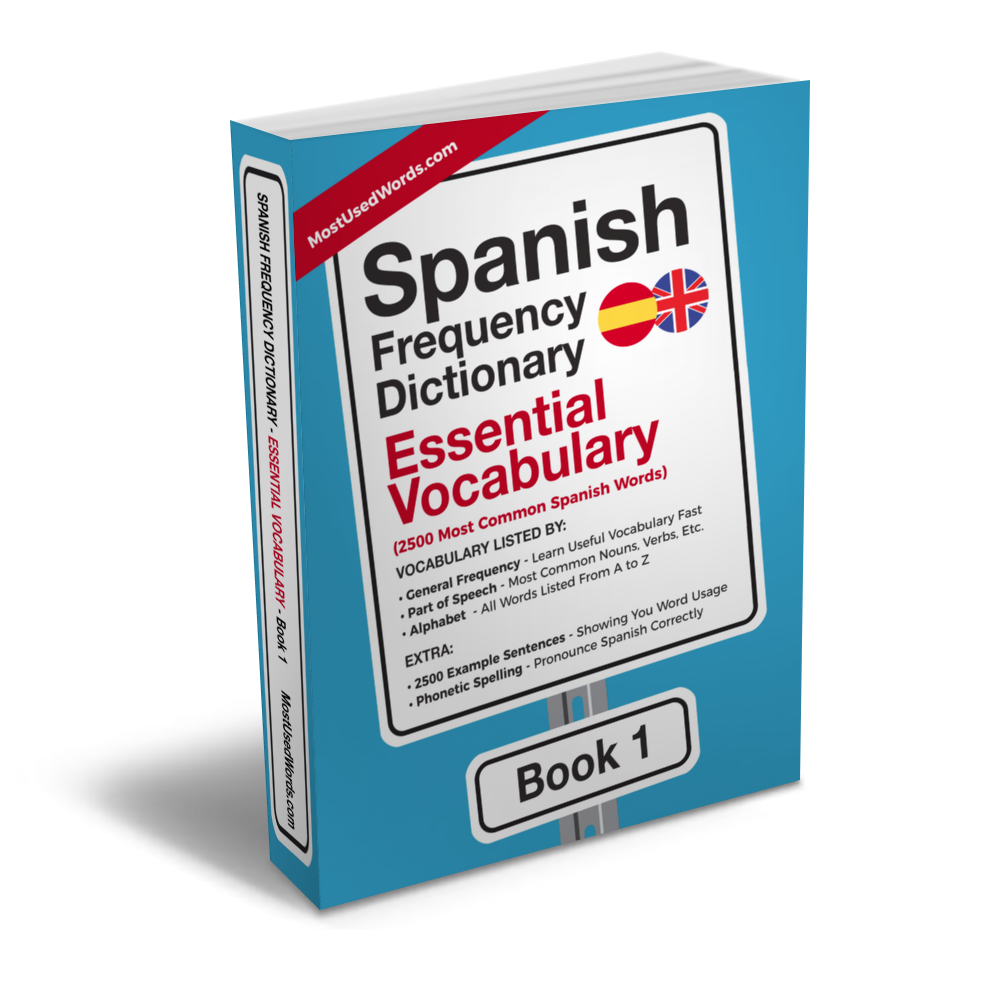
2,500 most common Spanish words with IPA pronunciation & bilingual example sentences
Understanding the Meaning of Solamente in Spanish
Solamente is an essential adverb in Spanish that conveys exclusivity or limitation. Its usage can vary depending on the context, making it crucial for learners to grasp its nuances. This article will delve into how and when to use "solamente" effectively.
Usage of Solamente in Different Tenses
Want to improve your Spanish?
The Spanish Frequency Dictionary series covers the 10,000 most common Spanish words — ranked by how often native speakers actually use them, with IPA pronunciation, English translations, and bilingual example sentences at every level.
Browse the full series →Solamente is not limited to a single tense; it can be used across various tenses to emphasize exclusivity or limitation:
- Past Tense: In the past, solamente can indicate that something was unique at that time. For example, "Ella solamente visitó una vez la ciudad" (She only visited the city once).
- Present Tense: Solamente in the present tense highlights exclusivity or limitation currently. Example: "El restaurante solamente acepta reservaciones con anticipación" (The restaurant only accepts reservations with advance notice).
- Futuro Simple: In future contexts, it emphasizes that something will be exclusive or limited. For instance, "Solamente podrás entrar después de las 8 PM" (You can only enter after 8 PM).
Pronunciation Guide for Non-Native Speakers
To ensure clarity and accuracy when using solamente in conversation:
- IPA: /solaˈmente/
- The stress is on the second syllable, "la."
- Practice saying it slowly at first to get used to the pronunciation.
Comparison with Other Languages
Solamente has equivalents in other languages:
- In English: Only, just. Example: "She only wants the red dress" (ella solamente quiere el vestido rojo).
- In French: Seulement. Example: "Il a seulement une heure de temps" (He has only one hour of time).
Synonyms and Their Nuances in Spanish
While solamente is versatile, there are other adverbs that can be used interchangeably or with slight differences:
- Únicamente (IPA: /u'ni.ka.men.te/): This means "only" or "solely," emphasizing exclusivity.
- Solo (IPA: /'so.lo/): Also meaning "only" or "just," it conveys a similar sense of limitation.
- Exclusivamente (IPA: /ek.sklu.si.ba'men.te/): Means "exclusively," highlighting that something is limited to a specific group.
- Nada más (IPA: /'na.ða 'mas/): Literally translates to "nothing more," conveying the idea of exclusivity in a straightforward manner.
- Sólo (IPA: /'so.lo/): Similar to solo, it means "only" or "just."
Sample Sentences and Contexts for Solamente
To better understand the practical application of solamente:
- Solamente quiero un café, por favor.
- El restaurante solamente acepta efectivo.
- Solamente pueden entrar los estudiantes con permiso.
- Ella vive solamente a unas cuadras de aquí.
- Solamente tengo dos hermanos.
(I just want a coffee, please.)
(The restaurant only accepts cash.)
(Only students with permission can enter.)
(She lives only a few blocks from here.)
(I only have two brothers.)

Frequently Asked Questions
Is "solamente" the same as "solo" in Spanish?
No, while both mean "only," solamente is more formal and emphasizes exclusivity or limitation. Solo can be used interchangeably but often implies a simpler sense of being alone.
Can you use "solamente" with verbs?
Absolutely! Solamente can precede any verb to emphasize that the action is exclusive or limited in some way.
Is there an English equivalent for "solamente"?
The closest equivalents are "only," "just," and sometimes "merely" depending on the context. However, solamente carries a slightly more formal tone than these English counterparts.
Build Your Spanish Vocabulary Systematically
The fastest way to grow your Spanish vocabulary is to start with the words you'll actually encounter every day. The Spanish Frequency Dictionary covers the 2,500 most common Spanish words, each with IPA pronunciation, an English translation, and bilingual example sentences.
Browse the full range of Spanish frequency dictionaries to find the volume that matches your level.