

What is the Meaning of Playa in Spanish? | MostUsedWords.com
As of 2026, if you have ever strolled along the picturesque coastlines of Spain, Mexico, or any other Spanish-speaking country, you have likely come across the word "playa." In Spanish, playa (IPA: /ˈplaʝa/) translates to "beach" in English. This term is not only a fundamental part of coastal geography but also deeply embedded in the cultural fabric of these regions.
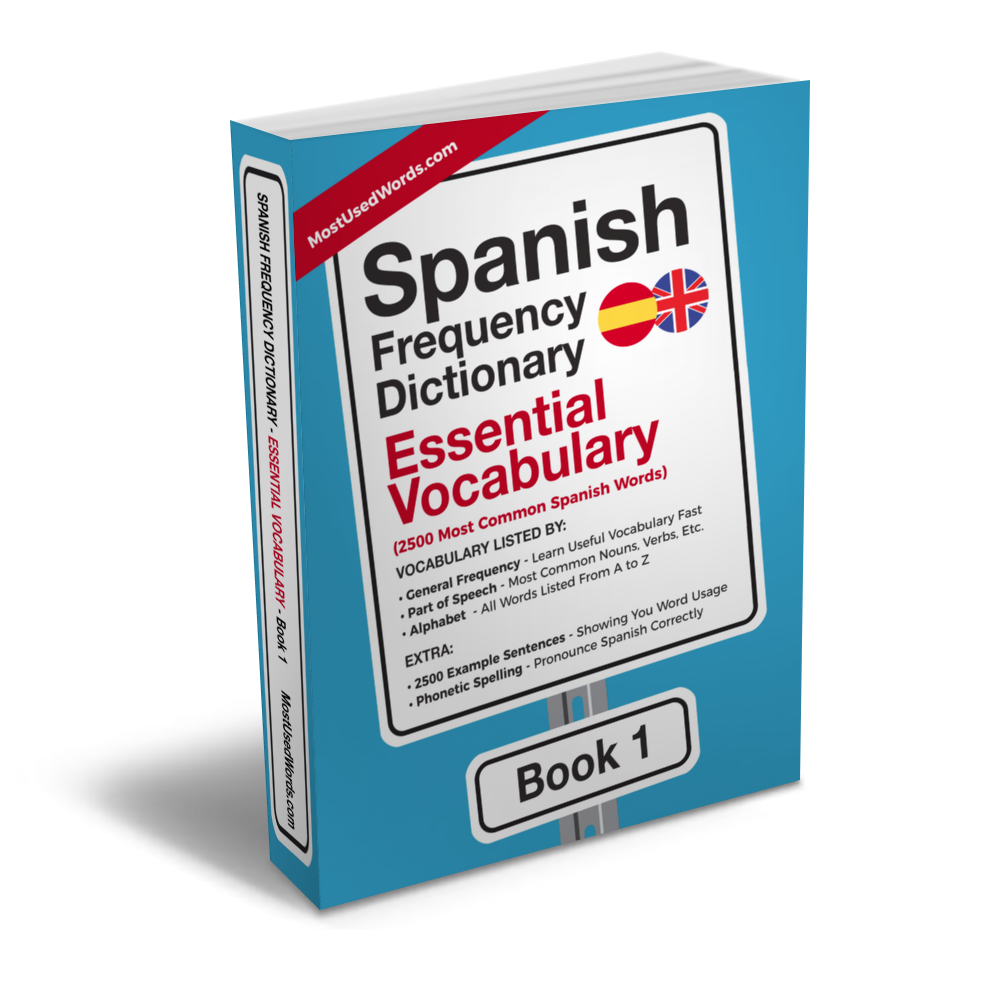
2,500 most common Spanish words with IPA pronunciation & bilingual example sentences
What is the Meaning of "Playa" in Spanish?
In Spanish, playa (IPA: /ˈplaʝa/) refers to a sandy shore along the edge of a body of water, typically the sea or an ocean. This word is integral to coastal culture and vocabulary in Spanish-speaking countries. When referring to multiple beaches, the term playas (IPA: /ˈplaʝas/) is used.
Cultural Significance of Beaches in Spanish-Speaking Countries
Want to improve your Spanish?
The Spanish Frequency Dictionary series covers the 10,000 most common Spanish words — ranked by how often native speakers actually use them, with IPA pronunciation, English translations, and bilingual example sentences at every level.
Browse the full series →Beaches play a significant role in the cultural and social life of many Spanish-speaking nations. They are not just natural landscapes but also venues for leisure, recreation, and community gatherings. The beach is often where families spend their weekends, locals gather to enjoy festivals, and tourists flock to experience local traditions.
Etymology and Historical Usage of "Playa"
The word playa has its roots in the Latin term platea, meaning a broad street or open space. Over time, it evolved to describe an area near water where people could gather and enjoy leisure activities. In Spanish-speaking regions, the usage of "playa" expanded beyond just geographical descriptions to include social and cultural contexts.
Usage of "Playa" in Spanish
The term "playa" is used extensively across various contexts:
- Describing Beaches: When referring to a specific beach or discussing the concept in general, the term "playa" is employed. For instance, "La Playa de Copacabana" in Rio de Janeiro is famous worldwide.
- Giving Directions: Locals often use "playa" to provide directions to beaches, such as "Sigue recto y llegarás a la playa" ("Go straight and you'll reach the beach.")
- Tourist Information: Travel brochures, websites, and guides frequently incorporate the term "playa" to highlight the stunning coastal attractions of a region.
- Recreational Activities: When discussing activities like swimming, sunbathing, or playing beach sports, "playa" is an essential term.
- Geographical Features: In geography lessons, the term "playa" is introduced when discussing coastal landforms.
Beach Activities and Coastal Geography Terms
Beyond just describing a beach, "playa" is also used in conjunction with various activities and geographical terms. For example:
- Playas de arena fina: Beaches with fine sand.
- Actividades en la playa: Recreational activities on the beach, such as volleyball or sunbathing.
- Términos geográficos costeros: Coastal geography terms like "cayuco" (canoe) and "manglar" (mangrove).
Sample Sentences of "Playa" in Spanish with English Translations
To help you grasp the usage of "playa" in practical contexts, here are five sample sentences:
- ¿Dónde está la playa más cercana?
(Where is the nearest beach?)
- Me encanta relajarme en la playa bajo el sol.
(I love relaxing on the beach under the sun.)
- ¿Has visitado alguna de las playas de Cancún?
(Have you visited any of the beaches in Cancun?)
- Esta playa tiene aguas cristalinas y arena fina.
(This beach has crystal-clear waters and fine sand.)
Frequently Asked Questions
What are some common activities on the playa?
Common activities include swimming, sunbathing, playing volleyball, and enjoying seafood at beachside restaurants.
How do you say "beach party" in Spanish?
You can say "Fiesta en la playa" or "Parranda en la playa".
Is there a difference between "playa" and "costa"?
While both terms relate to coastal areas, playa specifically refers to the sandy shore, whereas costa is more general, referring to the coastline or shoreline.
Build Your Spanish Vocabulary Systematically
The fastest way to grow your Spanish vocabulary is to start with the words you'll actually encounter every day. The Spanish Frequency Dictionary covers the 2,500 most common Spanish words, each with IPA pronunciation, an English translation, and bilingual example sentences.
Browse the full range of Spanish frequency dictionaries to find the volume that matches your level.