How to Say Words in Spanish: Pronunciation Tips and Common P
Learning a new language can be a challenging yet rewarding experience, and one of the most essential skills to master is knowing how to say words in Spanish. In this article, we will explore what "words" means in Spanish, its translation, pronunciation tips for beginners, common phrases for greetings and farewells, and regional differences across various Spanish-speaking countries.
Fast track your vocabulary with the 10,000 most common Spanish words!
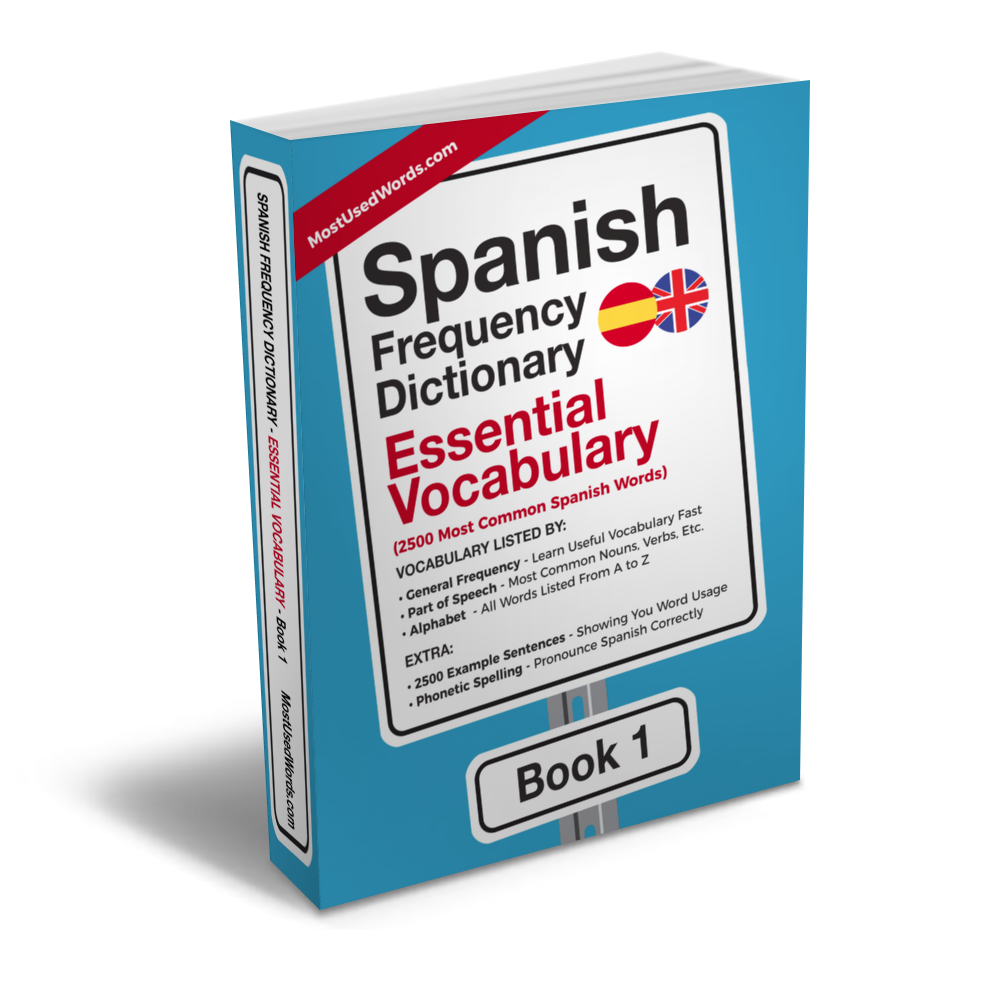
2,500 most common Spanish words with IPA pronunciation & bilingual example sentences
What is "Words" in Spanish?
In Spanish, the term "words" translates to "palabras" (IPA: /pa.ˈla.βɾas/). Knowing how to say words in Spanish is crucial for building your vocabulary and communicating effectively. Spanish is spoken by over 500 million people worldwide, making it one of the most widely spoken languages globally.
Meaning of "Words" in Spanish
Want to improve your Spanish?
The Spanish Frequency Dictionary series covers the 10,000 most common Spanish words — ranked by how often native speakers actually use them, with IPA pronunciation, English translations, and bilingual example sentences at every level.
Browse all 4 volumes →Learning how to say words in Spanish is essential to understanding the language. Here are some of the most common Spanish words and phrases:
- Hola (IPA: /ˈola/)
- Adiós (IPA: /aˈðjos/)
- Buenos días (IPA: /ˈbwen.os ˈdjas/)
- Tan pronto como puedas (IPA: /tan ˈpronto koˈme pweˈðaz/) - See you soon
- Gracias (IPA: /ˈɡɾasjas/)
- No gracias (IPA: /no ˈɡɾasjas/)
- Por favor (IPA: /poɾ faˈβoɾ/)
- Sí (IPA: /ˈsi/)
- No (IPA: /ˈno/)
- ¿Cómo estás? (IPA: /ˈko.mo esˈtas/)
- Bien (IPA: /ˈbjen/)
- Mal (IPA: /mal/)
- Hombre (IPA: /ˈom.bɾe/)
- Mujer (IPA: /muˈxeɾ/)
Note that the stress falls on the second-to-last syllable in "hola", "adiós", "gracias", "por favor", "¿cómo estás?", and "mujer". In "bien", the stress falls on the first syllable, and in "hombre" and "mal" the stress falls on the final syllable.
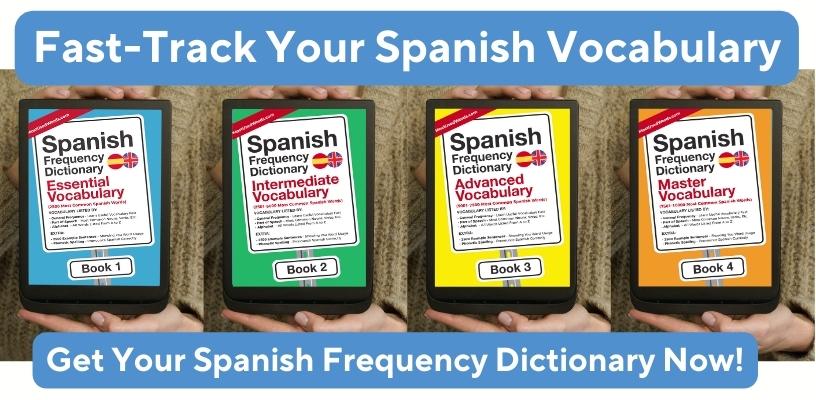
4 eBooks of the Spanish Frequency Dictionaries series by MostUsedWords
Pronunciation Tips for Beginners
Mastering pronunciation is key to effective communication in any language. Here are some tips:
- Practice the sounds of Spanish vowels and consonants.
- Listen to native speakers and mimic their intonation.
- Use online resources like Forvo or Duolingo for audio clips.
Cultural Context of Vocabulary Usage
The cultural context in which words are used can significantly impact communication. Understanding the nuances of greetings, farewells, and other common phrases is essential to building rapport with Spanish speakers.
Regional Differences
It is important to note that there may be regional differences in how some words are pronounced or used in different Spanish-speaking countries. For example, in Spain, the word "s" at the end of a word is often pronounced as a "th" sound, whereas in Latin America, it is typically pronounced as an "s" sound. Additionally, some words may have different meanings or slang in certain regions. Therefore, it is important to be aware of these differences to communicate effectively in Spanish.
Interactive Exercises
To test your knowledge and improve your skills, try the following exercises:
- Quiz: Pronunciation Challenge
- Exercise: Regional Vocabulary Differences
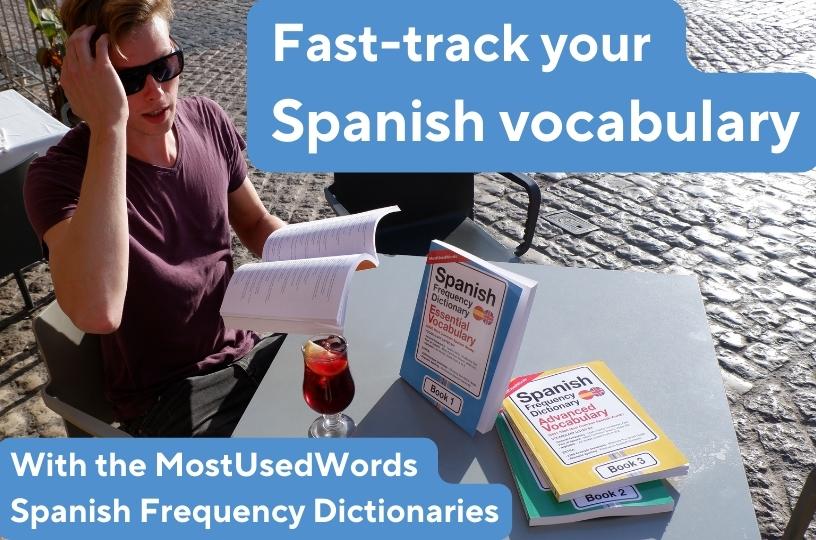
You can find the paperbacks on Amazon (we have frequency dictionaries for beginners, intermediates, advanced and near-fluent students), or get the eBooks directly from us here. (They are affiliate links. That means we might get a small commission if you make a purchase after clicking these links, at no extra cost to you.)
How to Say Words in Spanish: Sample Sentences
Here are five sample sentences you can use:
- ¿Qué significa la palabra "amigo"?
(What does the word "amigo" mean?)
- Necesito aprender más palabras en español.
(I need to learn more words in Spanish.)
- ¿Me puede ayudar a pronunciar esta palabra?
(Can you help me pronounce this word?)
Build Your Spanish Vocabulary Systematically
The fastest way to grow your Spanish vocabulary is to start with the words you'll actually encounter every day. The Spanish Frequency Dictionary covers the 2,500 most common Spanish words, each with IPA pronunciation, an English translation, and bilingual example sentences.
Browse the full range of Spanish frequency dictionaries to find the volume that matches your level.