

How to Say Where Are You in Spanish | MostUsedWords.com
As of 2026, learning how to say "where are you?" in Spanish is crucial for effective communication when traveling or meeting friends abroad. The phrase dónde, meaning “where,” combined with the verb estar (to be), allows you to ask someone’s location accurately.
In English, asking “Where are you?” is straightforward, but in Spanish, there are nuances that can vary based on context and formality. This article will guide you through how to use "dónde" correctly in different tenses and provide examples of common mistakes to avoid when asking this question.
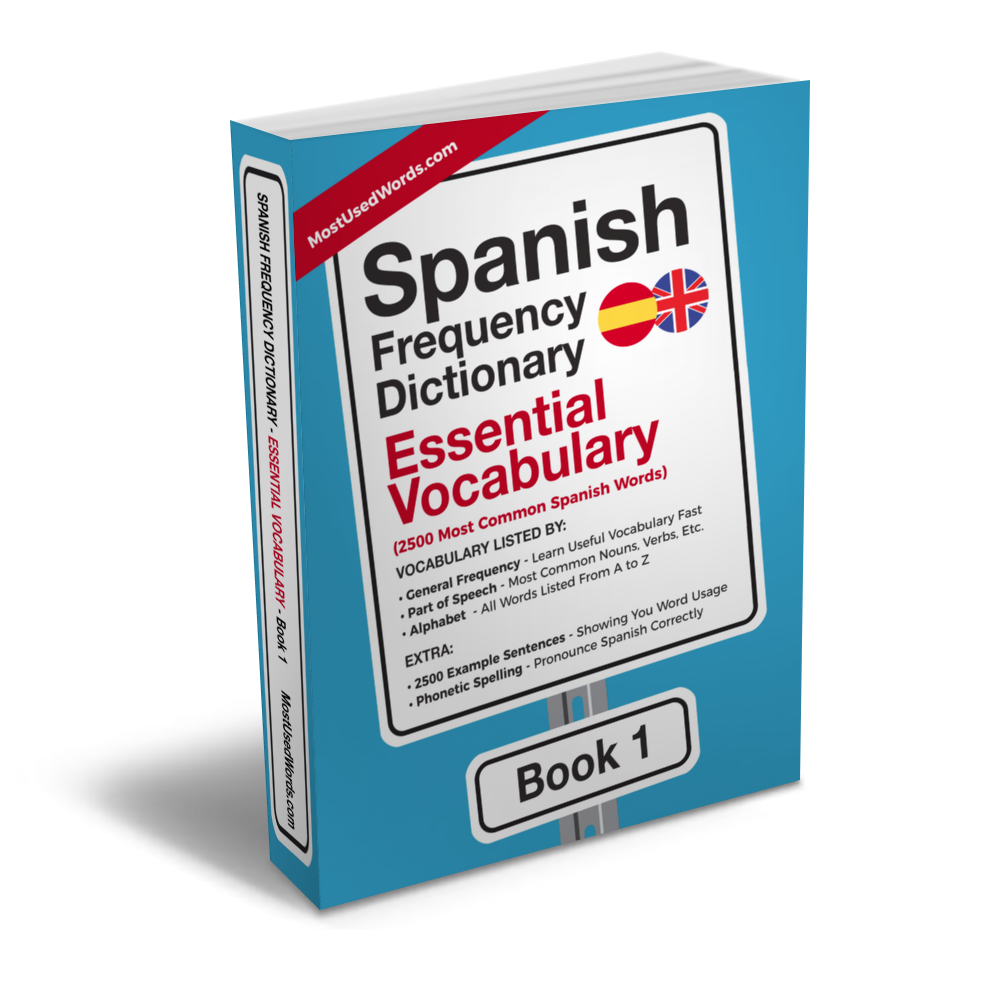
2,500 most common Spanish words with IPA pronunciation & bilingual example sentences
How to Say “Where Are You?” in Spanish
The phrase dónde translates to “where” and is used with the verb estar, which means “to be.” The correct pronunciation of these words is [ˈdonde] for dónde and [esˈtaɾ] for estar.
Cultural Context and Etiquette
In Spanish-speaking cultures, it’s important to consider the context when asking someone where they are. For instance, using a more formal tone is expected when speaking with elders or people of high status. Additionally, understanding regional variations can help you avoid misunderstandings.
How to Use 'Dónde' in Different Tenses
The phrase dónde estás? (Where are you? - informal) is the most common way to ask someone’s location. However, it's important to know how to use "dónde" with other tenses:
- Present Tense: ¿Dónde estás? (Where are you? - informal)
- Past Tense: ¿Dónde estabas? (Where were you?)
- Future Tense: ¿Dónde estarás? (Where will you be?)
- How to Say Are in Spanish | Ser vs Estar Usage Guide
- How to Say Master's Degree in Spanish | MostUsedWords.com
Common Mistakes When Asking 'Where Are You?' in Spanish
A common mistake is using the wrong form of address. For example, asking ¿dónde está? to a friend instead of ¿dónde estás?. Another error is forgetting to change the verb conjugation based on the subject pronoun.
Responses to 'Dónde Estás?'
When someone asks you “dónde estás?,”, here are some common ways to respond:
- Estoy en casa. (I am at home.)
- Estoy en la oficina. (I am in the office.)
- Estoy en el parque. (I am in the park.)
Regional Variations and Dialects for 'Where Are You?'
In some regions, such as Argentina or Uruguay, people might use dónde estás? even in formal settings. In Spain, it's more common to use dónde está usted?. Understanding these differences can help you communicate effectively.
Want to improve your Spanish?
The Spanish Frequency Dictionary series covers the 10,000 most common Spanish words — ranked by how often native speakers actually use them, with IPA pronunciation, English translations, and bilingual example sentences at every level.
Browse all 4 volumes →Related Articles
- How to Say Is in Spanish | Ser and Estar Usage Explained
- How to Say Hang Out in Spanish | MostUsedWords.com
Build Your Spanish Vocabulary Systematically
The fastest way to grow your Spanish vocabulary is to start with the words you'll actually encounter every day. The Spanish Frequency Dictionary covers the 2,500 most common Spanish words, each with IPA pronunciation, an English translation, and bilingual example sentences.
Browse the full range of Spanish frequency dictionaries to find the volume that matches your level.