How to Say Vague in Spanish | MostUsedWords.com
Updated for 2026, "vague" translates to "vago/vaga" in Spanish, a term used across various regions but with nuanced differences depending on the country.
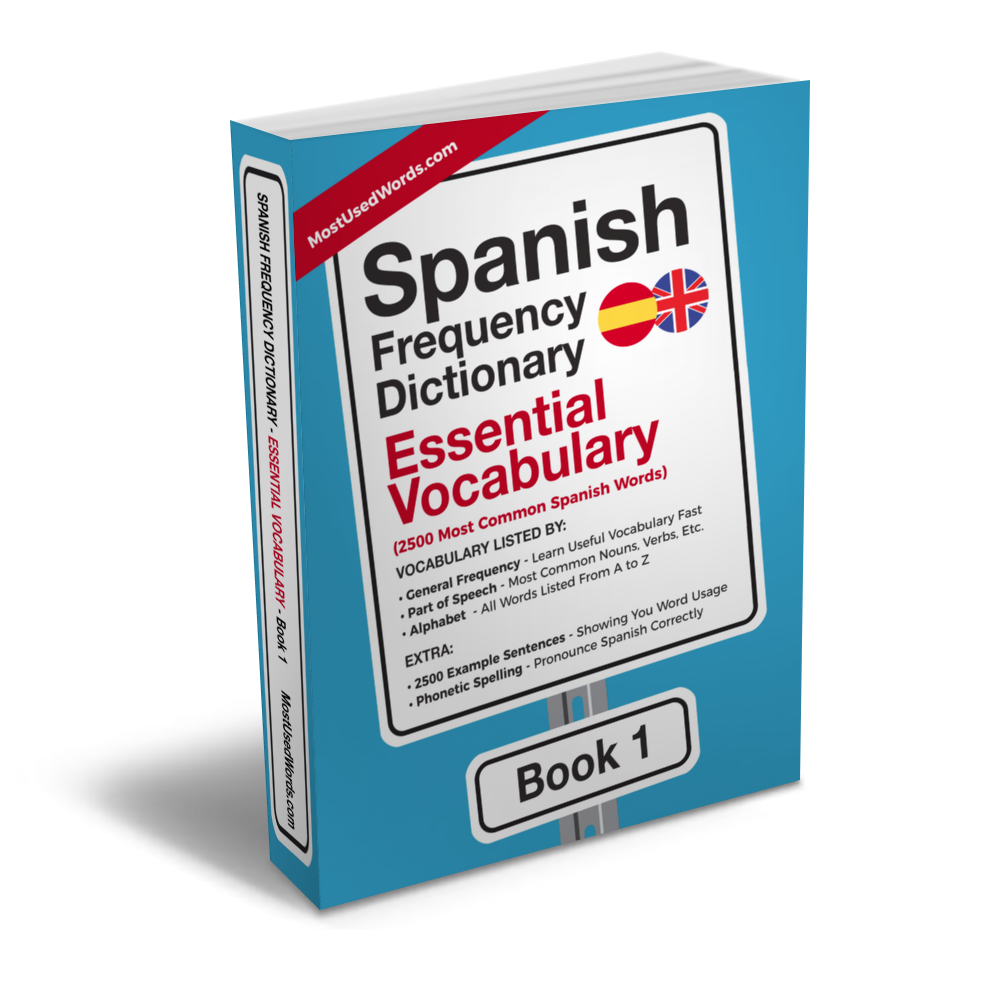
2,500 most common Spanish words with IPA pronunciation & bilingual example sentences
How to Say Vague in Spanish
The most common translation of "vague" is vago/vaga (IPA: /ˈbaɡo/, /ˈbaɣa/), widely used across different Spanish-speaking regions. However, regional variations exist, and alternative terms like difuso or nebuloso might be more appropriate in certain cultural contexts.
Cultural Context and Usage Examples for "Vago" in Spanish
Want to improve your Spanish?
The Spanish Frequency Dictionary series covers the 10,000 most common Spanish words — ranked by how often native speakers actually use them, with IPA pronunciation, English translations, and bilingual example sentences at every level.
Browse all 4 volumes →In addition to the direct translation of "vago," it's important to understand how this term is used in everyday situations. For instance:
- Difuso: La descripción del trabajo era difusa. (The job description was vague.)
- Nebuloso: El plan de estudios del curso era muy nebuloso. (The course curriculum was very nebulous.)
- Preciso: Necesitamos más información, esto es muy impreciso. (We need more information; this is very imprecise.)
Vague Meaning in Spanish and How to Use It
In Spanish, "vago" primarily describes something that lacks clarity or precision. This can apply to various situations:
- Uncertainty or Indeterminacy
- Lack of Detail
When you encounter an unclear situation, ambiguous information, or a poorly specified plan, use "vago" in Spanish. For example:
- La descripción del trabajo era vaga. (The job description was vague.)
- El plan de estudios del curso era muy vago. (The course curriculum was very vague.)
Variations in Pronunciation and Cultural Nuances of "Vago" Across Spanish-Speaking Regions
The term "vago/vaga" is pronounced differently across regions, reflecting unique cultural nuances. For instance:
- In Spain: vago (IPA: /ˈbaɣo/)
- In Latin America: vago (IPA: /ˈbaɡo/)
Build Your Spanish Vocabulary Systematically
The fastest way to grow your Spanish vocabulary is to start with the words you'll actually encounter every day. The Spanish Frequency Dictionary covers the 2,500 most common Spanish words, each with IPA pronunciation, an English translation, and bilingual example sentences.
Browse the full range of Spanish frequency dictionaries to find the volume that matches your level.