How to Say To Show Off in Spanish | MostUsedWords.com
As of 2026, the term "to show off" can be translated into Spanish using several phrases that capture its essence. The English verb encapsulates the idea of flaunting something with a hint of pride or boastfulness.
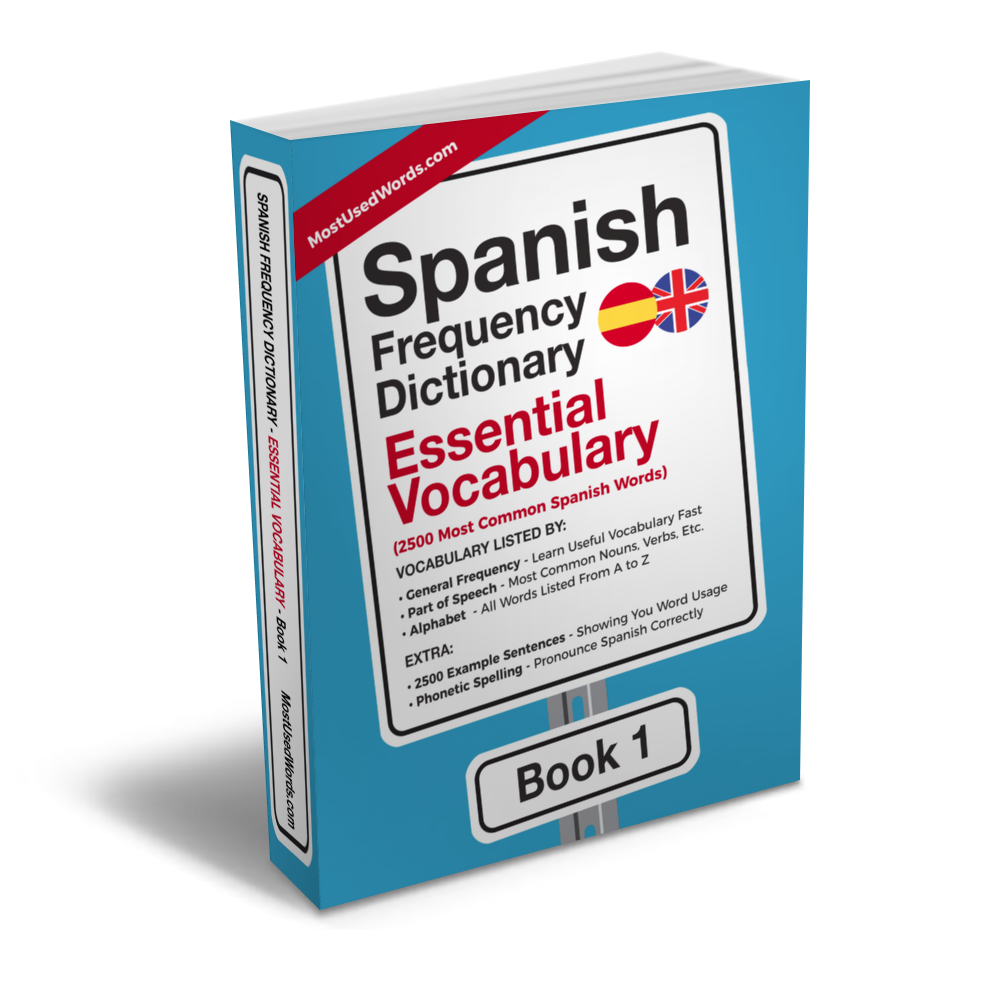
2,500 most common Spanish words with IPA pronunciation & bilingual example sentences
What is "To Show Off" in Spanish?
The term "to show off" can be translated into Spanish using several phrases and expressions that capture its essence. One common translation is presumir de (IPA: /pɾeˈsumiɾ de/), which encapsulates the notion of showing off with a sense of pride. Another option is lucirse (IPA: /luˈsiɾse/), which conveys the idea of showcasing one's talents or skills in a striking manner.
Common Idiomatic Expressions for Boasting
Want to improve your Spanish?
The Spanish Frequency Dictionary series covers the 10,000 most common Spanish words — ranked by how often native speakers actually use them, with IPA pronunciation, English translations, and bilingual example sentences at every level.
Browse the full series →In addition to these common translations, there are several idiomatic expressions that can be used depending on the context and cultural nuances. For instance, fardar de (IPA: /farˈdaɾ de/) is an informal phrase more commonly used in Spain, while alardear de (IPA: /alaɾˈde.aɾ de/) emphasizes boasting and is frequently used in Latin American countries.
Cultural Context Across Spanish-Speaking Countries
The way people show off can vary significantly across different Spanish-speaking regions. In Spain, for example, the act of showing off might be seen as more casual and playful, often accompanied by a sense of humor or irony. In contrast, in Latin American countries like Mexico and Peru, there is a tendency to use more formal expressions that emphasize pride and accomplishment.
Sample Sentences with Variations
- Ella siempre presume de su colección de joyas. (She always shows off her collection of jewelry.).
- Se lució en la competencia de baile. (He showed off his dancing skills in the competition.).
- Siempre está fardando de sus logros en el trabajo. (He's always showing off his achievements at work.
- Él siempre presume con aires de grandeza sobre sus viajes. (He always shows off his travels with an air of grandiosity.).
- Le gusta alardear de su auto deportivo. (He likes to show off his sports car.
Avoiding Boastfulness in Spanish
While it's important to know how to express the act of showing off, it is equally crucial to understand when and how to avoid sounding boastful. For instance, using phrases like mostrar (IPA: /moˈʃtoɾ/), which means "to show," can be a more neutral way to display something without implying arrogance.
Frequently Asked Questions
What is the difference between 'presumir' and 'lucirse'?
"Presumir de" emphasizes pride in one's possessions or abilities, while "lucirse" focuses more on showcasing skills impressively.
Is it appropriate to use 'fardar' in a formal setting?
No, 'fardar de' is an informal phrase and should be avoided in formal or professional contexts.
How can I avoid sounding boastful when speaking Spanish?
Use neutral terms like 'mostrar' (to show) instead of more boastful expressions to maintain a humble tone.
Build Your Spanish Vocabulary Systematically
The fastest way to grow your Spanish vocabulary is to start with the words you'll actually encounter every day. The Spanish Frequency Dictionary covers the 2,500 most common Spanish words, each with IPA pronunciation, an English translation, and bilingual example sentences.
Browse the full range of Spanish frequency dictionaries to find the volume that matches your level.