How to Say To Insult in Spanish | MostUsedWords.com
As of 2026, understanding the nuances of language is crucial for effective communication across cultures. In this article, we will explore how to express "to insult" in Spanish, including its cultural context and common phrases used as insults.

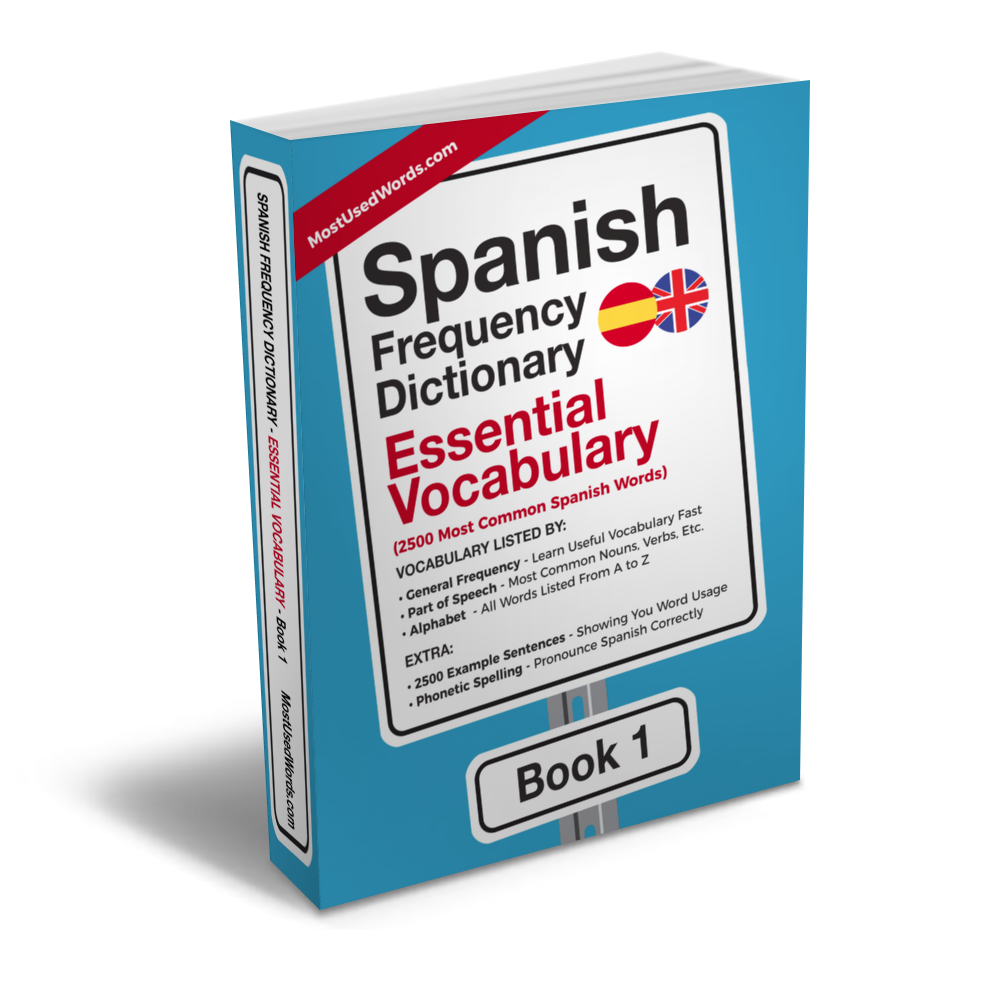
2,500 most common Spanish words with IPA pronunciation & bilingual example sentences
What is "To Insult" in Spanish?
The English phrase "to insult" translates to insultar (IPA: /in.sulˈtaɾ/) in Spanish. This term captures the essence of expressing disrespect, offense, or disparagement towards someone verbally.
Meaning and Usage
Want to improve your Spanish?
The Spanish Frequency Dictionary series covers the 10,000 most common Spanish words — ranked by how often native speakers actually use them, with IPA pronunciation, English translations, and bilingual example sentences at every level.
Browse all 4 volumes →"Insultar" carries a similar weight in Spanish as it does in English. It refers to the act of speaking or behaving in a way that demeans, offends, or humiliates another person. This can encompass various forms of communication, from hurtful words to derogatory gestures.
Synonyms and Related Terms
Here are some synonyms of "insultar" in Spanish along with their meanings:
- Agraviar (IPA: /aɣɾaˈβjaɾ/): To offend, harm, or insult someone's dignity or honor.
- Ultrajar (IPA: /ulˈtɾa.xaɾ/): To outrage, insult, or offend deeply, often referring to a severe form of insult or offense.
- Ofender (IPA: /oˈfen.deɾ/): To offend, insult, or hurt someone's feelings or sensibilities.
- Despreciar (IPA: /des.pɾeˈθjaɾ/): To disdain, scorn, or treat with contempt, showing a lack of respect or value.
- Menospreciar (IPA: /meno.spɾeˈθjaɾ/): To belittle, look down upon, or underestimate someone, often implying a condescending attitude.
- Humillar (IPA: /u.miˈʝaɾ/): To humiliate, degrade, or demean someone, often causing embarrassment or shame.
- Deshonrar (IPA: /des.onˈraɾ/): To dishonor, disgrace, or bring shame upon someone, often through disrespectful actions or words.

Cultural Context and Common Phrases
In Spanish-speaking countries, insults are often deeply rooted in cultural norms and can vary widely depending on the region. For instance:
- In Mexico, "ofender" might also be used to convey the idea of insulting someone.
- In Spain, "ultrajar" could be employed to express a more severe form of insult, often involving a violation of dignity.
Avoiding Insults in Different Contexts
It's important to understand the cultural context and regional variations when using or avoiding insults. Here are some tips:
- Be mindful of body language, as gestures can be insulting.
- Avoid slang that may not translate well across regions.
- Learn local idioms and phrases to avoid unintentional offense.
How to Say "To Insult" in Spanish: Sample Sentences
Here are five sample sentences you can use to say "to insult" in Spanish:
- El niño insultó a su compañero de clase.
- No me insultes, eso no es amistad.
- Ella humilló a su subordinado en la reunión.
- Los comentarios despectivos lo ofendieron profundamente.
- El ultraje fue una falta grave de respeto.
Build Your Spanish Vocabulary Systematically
The fastest way to grow your Spanish vocabulary is to start with the words you'll actually encounter every day. The Spanish Frequency Dictionary covers the 2,500 most common Spanish words, each with IPA pronunciation, an English translation, and bilingual example sentences.
Browse the full range of Spanish frequency dictionaries to find the volume that matches your level.