How to Say They Are in Spanish | MostUsedWords.com
Updated for 2026, mastering the phrase "they are" in Spanish is essential for accurate communication. In Spanish, "they are" translates to ellos son (IPA: /e'ʎos son/) or ellas son (IPA: /e'ʎas son/), depending on the gender of the group being referred to.
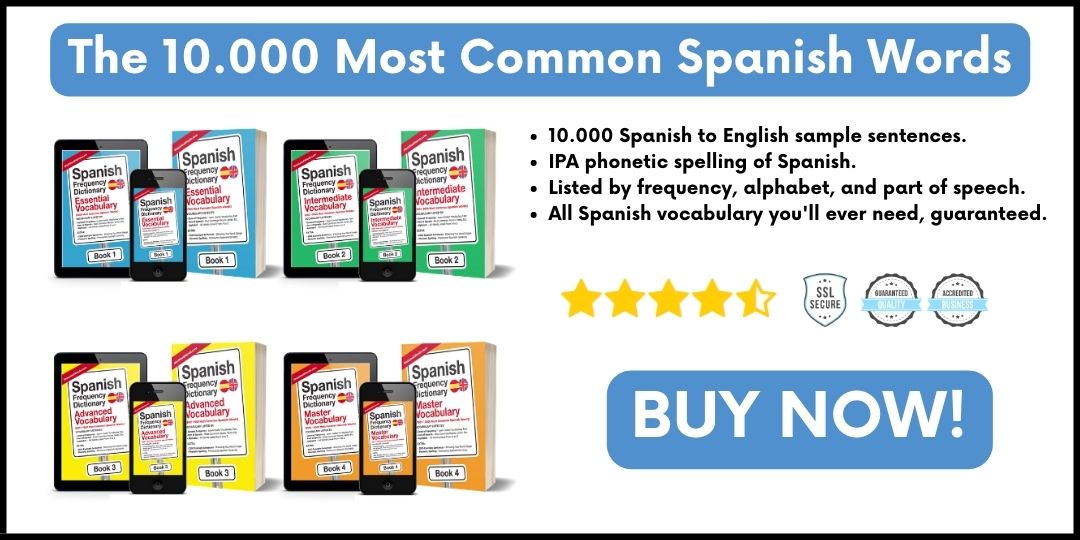
Fast track your vocabulary with the 10,000 most common Spanish words!
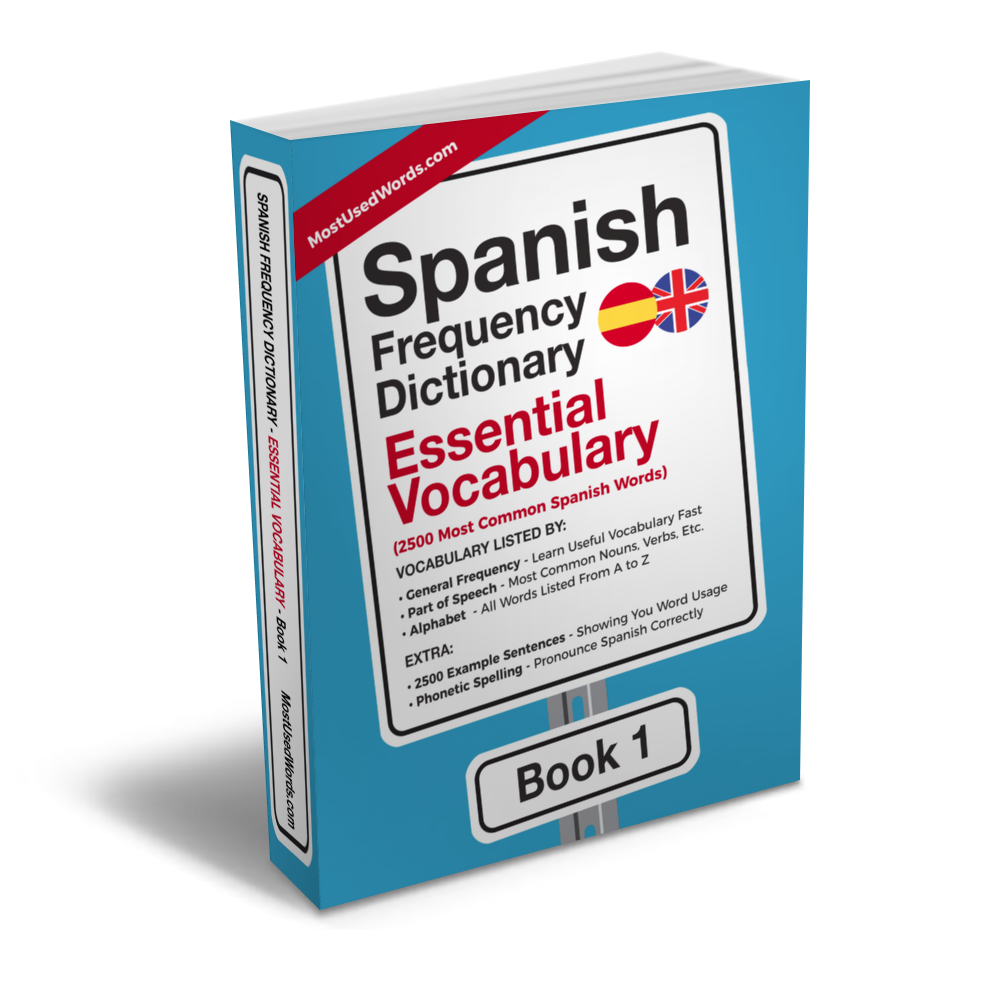
2,500 most common Spanish words with IPA pronunciation & bilingual example sentences
How to Say "They Are" in Different Tenses and Contexts
The phrase "ellos son" or "ellas son" is the third person plural form of the verb "to be," used for describing groups. However, it's important to note that this construction can change based on tense:
- Present Tense: Ellos son altos y rubios (They are tall and blond).
- Past Tense: Ellos eran abogados (They were lawyers).
Comparison with Other Forms of "To Be" in Spanish
Want to improve your Spanish?
The Spanish Frequency Dictionary series covers the 10,000 most common Spanish words — ranked by how often native speakers actually use them, with IPA pronunciation, English translations, and bilingual example sentences at every level.
Browse all 4 volumes →In addition to the third person plural form, it's crucial to understand how other forms of "to be" differ:
- I am: Yo soy (I am).
- You are (singular): Tú eres (You are).
- We are: Nosotros somos (We are).
- They are (vosotros form in Spain): Vosotros sois (You all are).
Pronunciation Tips and Audio Examples
To ensure correct pronunciation, here's a breakdown of the phonetics:
- Ellos son: /e'ʎos son/
- Ellas son: /e'ʎas son/
Sample Sentences for Various Contexts
Here are additional examples to help you use "they are" in Spanish:
- Description of People's Appearance: Ellos son altos y rubios. (They are tall and blond.)
- Talking About Professions: Ellas son abogadas. (They are lawyers.)
- Describing Personalities: Ellos son divertidos. (They are funny.)
- Negative Form: No, ellos no son altos y rubios. (No, they are not tall and blond.)
Regional Variations of "They Are" in Spanish
The phrase can vary across different regions:
- In Spain: Vosotros sois altos y rubios. (You all are tall and blond.)
- In Latin America: Ustedes son abogados. (They are lawyers.)
- In the Caribbean: Ellos no son divertidos, sino serios. (They are not funny but serious.)
Common Mistakes and Cultural Context
Learners often make mistakes such as forgetting to adjust for gender agreement or using the wrong form of "to be." Understanding cultural context is also crucial:
- Mistake: Using ellos son when referring to a group that includes females.
- Cultural Context: In some cultures, it's more common to use ustedes instead of ellos/ellas.
How to Say "They Are Not" in Spanish
To express negation, simply add the negative particle no:
- No son altos y rubios. (They are not tall and blond.)
Build Your Spanish Vocabulary Systematically
The fastest way to grow your Spanish vocabulary is to start with the words you'll actually encounter every day. The Spanish Frequency Dictionary covers the 2,500 most common Spanish words, each with IPA pronunciation, an English translation, and bilingual example sentences.
Browse the full range of Spanish frequency dictionaries to find the volume that matches your level.