How to Say Smiling in Spanish | MostUsedWords.com
As of 2026, the translation of "smiling" in Spanish is sonriendo, which comes from the verb sonreír. This article will guide you through understanding how to say smiling in Spanish, its nuances across different regions, and when it's appropriate to use it.

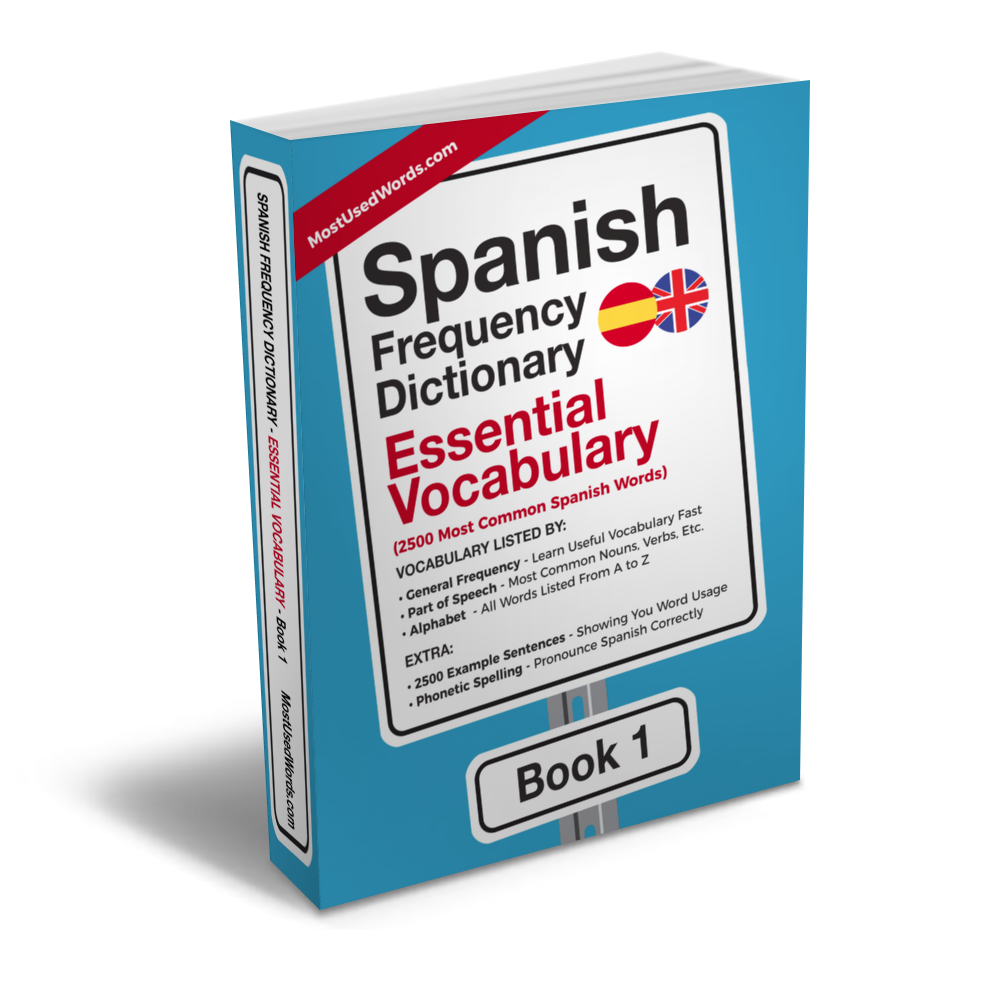
2,500 most common Spanish words with IPA pronunciation & bilingual example sentences
How to Say "Smiling" in Spanish
The Spanish translation for "smiling" is sonriendo (IPA: /sonˈɾjen.do/). This verb originates from the infinitive form sonreír (IPA: /son.ɾe.ˈiɾ/), which means "to smile." It's crucial to understand that Spanish, like many languages, has regional variations. For instance, in some Latin American countries, you might hear risueño or con una sonrisa used interchangeably with sonriendo.
Pronunciation Tips for Non-Native Speakers
Want to improve your Spanish?
The Spanish Frequency Dictionary series covers the 10,000 most common Spanish words — ranked by how often native speakers actually use them, with IPA pronunciation, English translations, and bilingual example sentences at every level.
Browse all 4 volumes →To pronounce "smiling" in Spanish correctly, focus on the sound of 'r' as it transitions into a soft rolling sound. The stress is typically placed on the second syllable: so-nRIN-do. Practice saying this word out loud to get comfortable with its pronunciation.
Usage Contexts for "Smiling" in Spanish
The term "smiling" can be used both formally and informally, depending on the context. In formal settings, such as business meetings or academic presentations, you might say está sonriendo amablemente, which means "he/she is smiling politely." On the other hand, in casual conversations with friends, simply using sonriendo would be appropriate.
How to Say "Smiling" in Spanish: Sample Sentences
To help you understand how to use "smiling" in various contexts, here are some sample sentences:
- Él está sonriendo en la foto.
(He is smiling in the photo.)
- Ella está sonriendo en la fiesta.
(She is smiling at the party.)
- Ella siempre está sonriendo, incluso en los momentos difíciles.
(She's always smiling, even in tough times.)
- Los niños estaban sonriendo de oreja a oreja en la fiesta.
(The children were smiling from ear to ear at the party.)
- Siempre me siento feliz cuando veo a mi perro sonreír.
(I always feel happy when I see my dog smiling.)

Build Your Spanish Vocabulary Systematically
The fastest way to grow your Spanish vocabulary is to start with the words you'll actually encounter every day. The Spanish Frequency Dictionary covers the 2,500 most common Spanish words, each with IPA pronunciation, an English translation, and bilingual example sentences.
Browse the full range of Spanish frequency dictionaries to find the volume that matches your level.