How to Say Resign in Spanish | MostUsedWords.com
As of 2026, expanding your vocabulary is crucial when learning a new language like Spanish. If you are looking to express the action of resigning or quitting, it's important to know how to say "resign" in Spanish. In this article, we will explore various translations, regional variations, and usage contexts for both formal and informal settings.

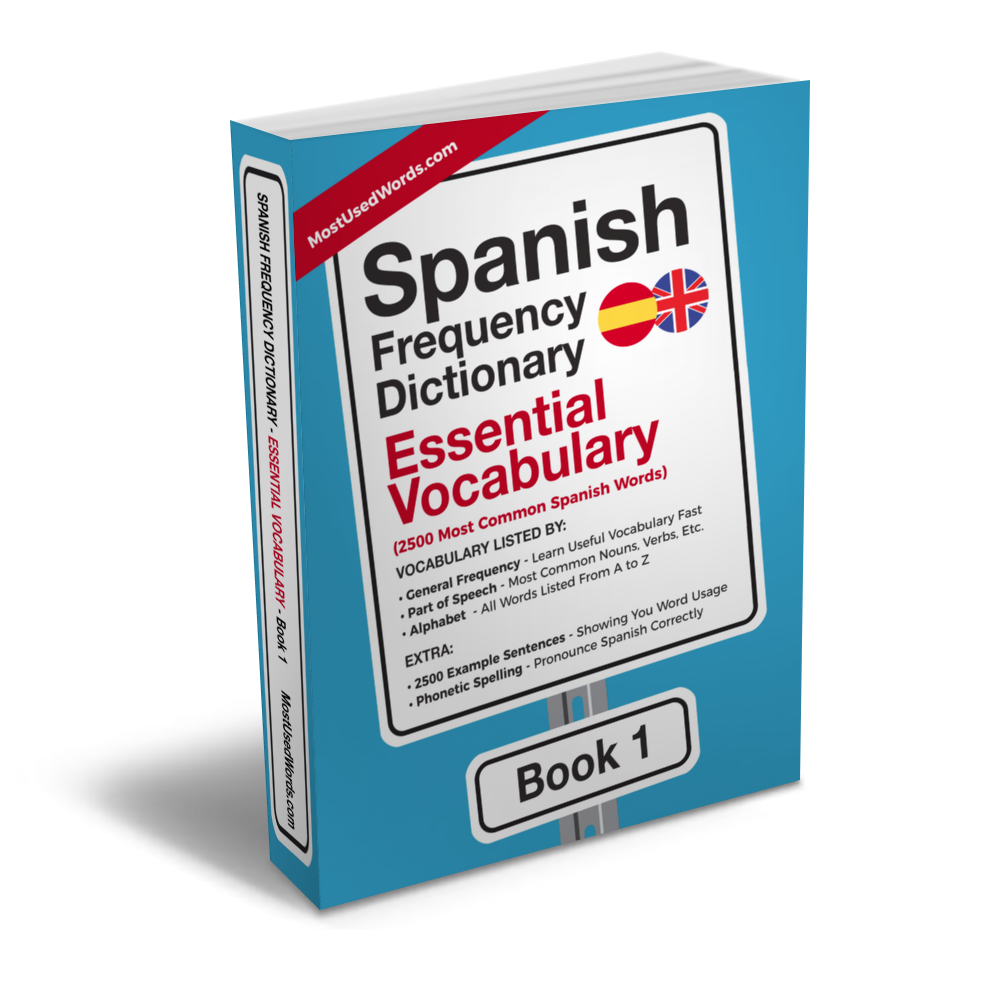
2,500 most common Spanish words with IPA pronunciation & bilingual example sentences
What is "Resign" in Spanish?
The Spanish language offers several translations for the English word "resign." The most commonly used term is renunciar (IPA: /re.nunˈθjar/), which means to voluntarily give up or step down from a position. Another widely recognized term is dimitir (/di.miˈtiɾ/), which specifically refers to the act of resigning from a job or formal role.
Meaning and Usage
Want to improve your Spanish?
The Spanish Frequency Dictionary series covers the 10,000 most common Spanish words — ranked by how often native speakers actually use them, with IPA pronunciation, English translations, and bilingual example sentences at every level.
Browse all 4 volumes →Understanding the nuances of regional variations can enhance your communication skills. Here's a breakdown of the meanings associated with the Spanish translations of "resign":
- Renunciar: Used in both Spain and Latin America, "renunciar" encompasses the idea of voluntarily quitting or giving up on a job, responsibility, or commitment. It can be used informally to say you want to quit your job.
- Dimitir: Primarily used in Spain, "dimitir" highlights the act of stepping down from a formal position such as a job, political office, or leadership role. It is more commonly used in formal settings and official communications.

Formal vs Informal Usage
In formal settings such as official letters or business communications, "dimitir" is the preferred term to use when resigning from a job. For informal conversations or personal emails, you can opt for "renunciar." Understanding these distinctions will help you communicate effectively in different contexts.
Regional Variations
While "renunciar" and "dimitir" are widely understood across Spanish-speaking regions, some countries may have their own regional variations. For example:
- In Mexico and some Central American countries, dar de baja (IPA: /dar de ˈba.xa/) can be used to express the act of quitting or leaving a job.
How to Say "Resign" in Spanish: Sample Sentences
Here are five sample sentences you can use to say "resign" in Spanish:
- Quiero renunciar a mi trabajo actual.
(I want to resign from my current job.)
- Ella dimitió como presidenta del club.
(She resigned as the president of the club.)
- Tuvieron que renunciar debido a diferencias irreconciliables.
(They had to resign due to irreconcilable differences.)
- Si no estás satisfecho, es mejor renunciar.
(If you're not satisfied, it's better to resign.)
- Después de pensarlo mucho, decidí dimitir de mi puesto.
(After much thought, I decided to resign from my position.)
How to Write a Spanish Resignation Letter
When writing a resignation letter in Spanish, it's important to be clear and concise. Here’s a basic template you can use:
- To Whom It May Concern,
- Estimado/a [Nombre del supervisor o jefe],
- Quiero renunciar a mi puesto de trabajo efectivo el día [fecha].
- Agradezco la oportunidad que me ha brindado.
- Atentamente,
- [Tu nombre]
Build Your Spanish Vocabulary Systematically
The fastest way to grow your Spanish vocabulary is to start with the words you'll actually encounter every day. The Spanish Frequency Dictionary covers the 2,500 most common Spanish words, each with IPA pronunciation, an English translation, and bilingual example sentences.
Browse the full range of Spanish frequency dictionaries to find the volume that matches your level.