How to Say Pseudo in Spanish | Pronunciation and Usage Guide
As of 2026, understanding the nuances of borrowed words like "pseudo" is crucial for advanced language learners. In this article, we will explore how to pronounce "pseudo" in Spanish, analyze its meaning, and provide valuable examples to ensure you grasp its usage effectively.

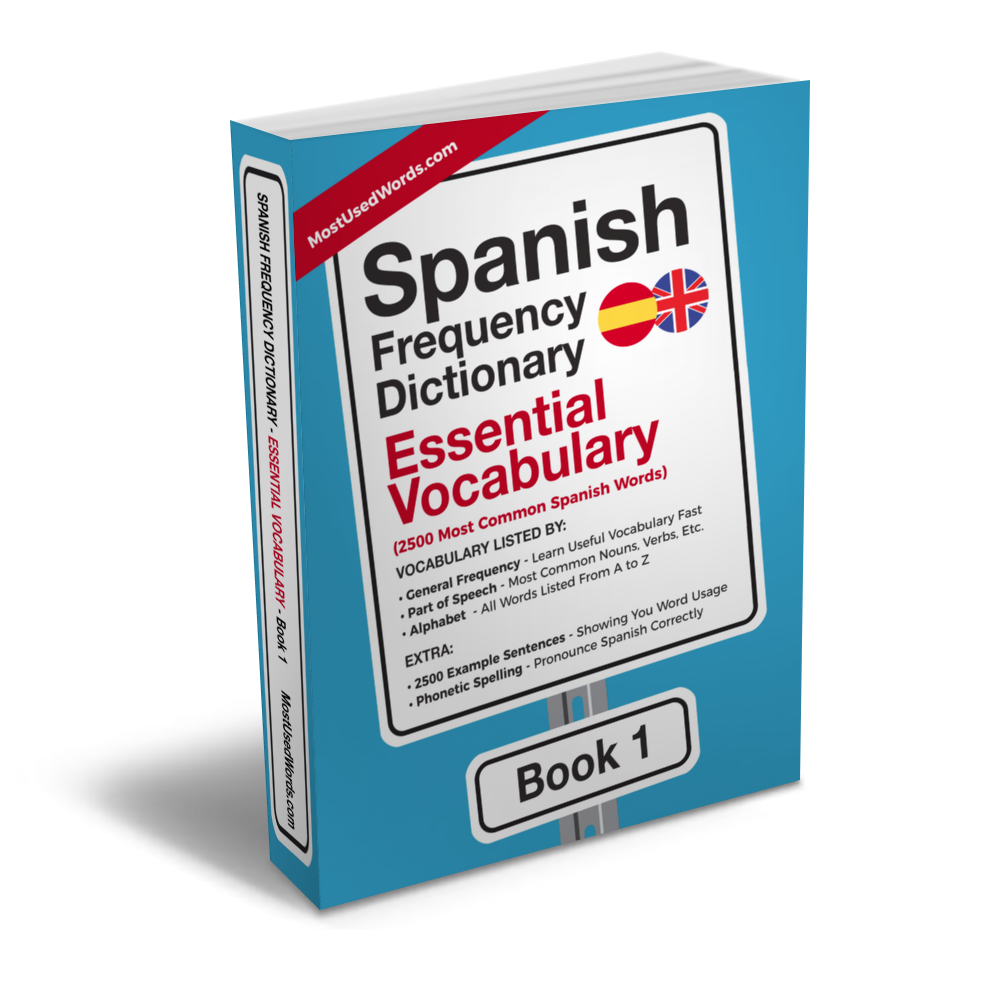
2,500 most common Spanish words with IPA pronunciation & bilingual example sentences
What is "Pseudo" in Spanish?
Before we dive into pronunciation and usage, it's important to grasp the meaning of the term "pseudo" in Spanish. In Spanish, pseudo (IPA: /ˈsju.do/) is an adjective borrowed from Greek, used to convey the idea of something being false or not genuine. It is a versatile word that can be applied in various contexts to highlight imitation or superficiality.
Meaning of "Pseudo" in Spanish
Want to improve your Spanish?
The Spanish Frequency Dictionary series covers the 10,000 most common Spanish words — ranked by how often native speakers actually use them, with IPA pronunciation, English translations, and bilingual example sentences at every level.
Browse the full series →Understanding the various applications of "pseudo" in Spanish will enable you to use it effectively in conversation. Here are some common contexts where you might encounter this term:
- False Appearance
- The artist created a painting with a false depth that fooled many. (El artista creó una pintura con una pseudo profundidad que engañó a muchos.)
- Imitation or Mockery
- That movie was a pseudo comedy trying to mimic the style of classics. (Aquella película era una pseudo comedia que intentaba copiar el estilo de los clásicos.)
- Superficial Knowledge
- Don't be fooled by his superficial knowledge on the subject. (No te dejes engañar por su pseudo conocimiento en el tema.)
- This is a pseudo-version of the famous Italian recipe. (Esta es una pseudo versión de la famosa receta italiana)
- The singer was criticized for his pseudo-rockstar style. (El cantante fue criticado por su pseudo estilo rockero)
- Don't trust his pseudo-promise to change. (No confíes en su pseudo promesa de cambiar)
- The author's pseudo-intellectualism didn't impress the critics. (La pseudo intelectualidad del autor no impresionó a los críticos)
- The country's pseudo-democracy was questioned by the international community. (La pseudo democracia del país fue cuestionada por la comunidad internacional)
- A pseudo-intellectual discussion. (Una discusión pseudo-intelectual)
- Pseudo-friendship based on convenience. (Pseudo-amistad basada en conveniencia)
- A pseudo-artist who copies others' work. (Un pseudo artista que copia el trabajo de otros)
- In French, it is "faux".
- In German, it is "falsch".
- In Italian, it is "falso".
- You can say: This is just a pseudo solution to the problem.
- Yes, it's commonly used in literary contexts to describe characters or situations that are not genuine.
Pronunciation Tips for "Pseudo" in Spanish
To pronounce "pseudo" correctly, focus on the stress on the first syllable. The IPA pronunciation is /ˈsju.do/. Practice saying it slowly and clearly to get comfortable with the sound.
How to Use "Pseudo" in Spanish
Here are more sample sentences you can use to say "pseudo" in Spanish:
Common Phrases Using "Pseudo" in Spanish
Here are some common phrases that use "pseudo" to highlight imitation or superficiality:

Frequently Asked Questions
What does "pseudo" mean in other languages?
How do you use "pseudo" in a sentence?
Is "pseudo" used in Spanish literature?
Build Your Spanish Vocabulary Systematically
The fastest way to grow your Spanish vocabulary is to start with the words you'll actually encounter every day. The Spanish Frequency Dictionary covers the 2,500 most common Spanish words, each with IPA pronunciation, an English translation, and bilingual example sentences.
Browse the full range of Spanish frequency dictionaries to find the volume that matches your level.