How to Say Need in Spanish - Essential Verbs and Phrases
Updated for 2026, if you are learning Spanish, understanding the various ways to convey "need" is crucial as it can significantly impact communication clarity.
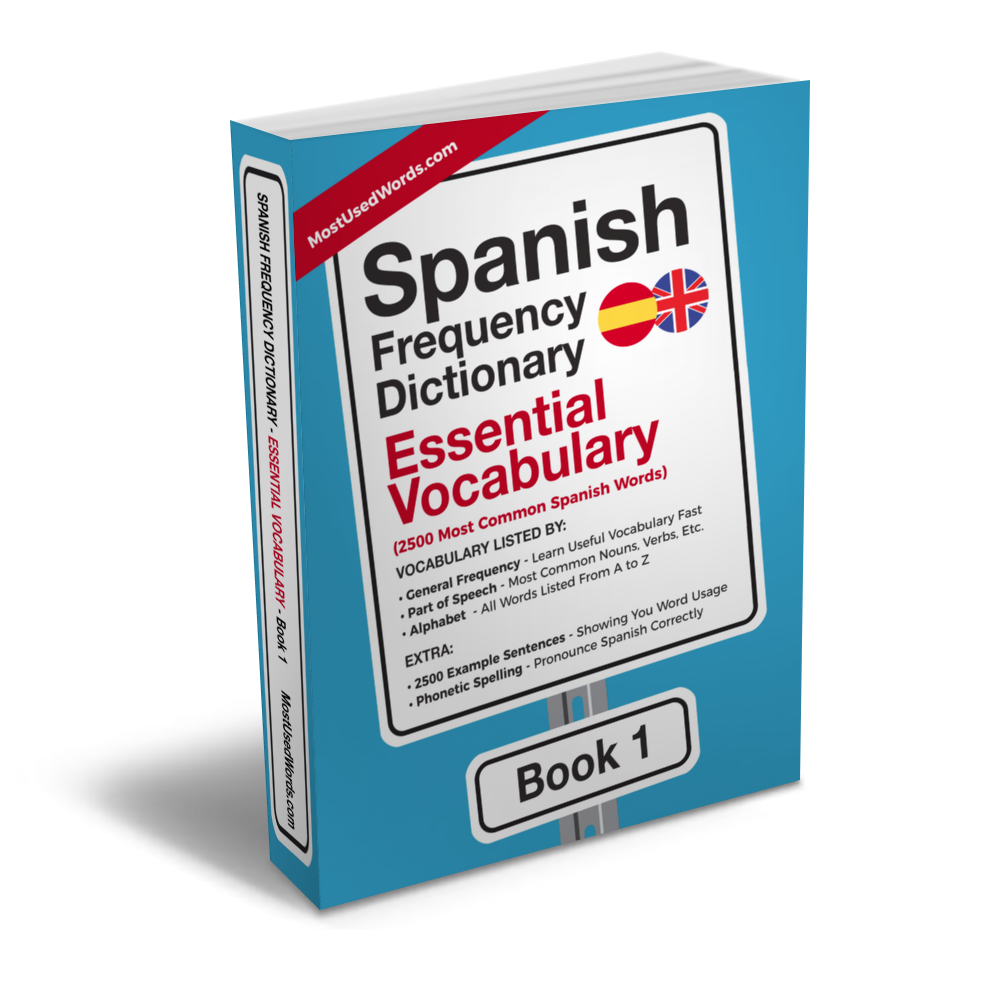
2,500 most common Spanish words with IPA pronunciation & bilingual example sentences
How to Say Need in Spanish
The primary translation for "need" in Spanish is necesidad (IPA: /neθeθiˈðað/). However, there are several other verbs and phrases that can be used depending on the situation. Here’s a detailed look at some of them:
Conjugation of 'Necesitar'
Want to improve your Spanish?
The Spanish Frequency Dictionary series covers the 10,000 most common Spanish words — ranked by how often native speakers actually use them, with IPA pronunciation, English translations, and bilingual example sentences at every level.
Browse all 4 volumes →Necesitar (neθesiˈtaɾ): This verb means "to need" or "to require." It is widely used in both Spain and Latin America. Here are some conjugations:
- I need: Necesito.
- You need (informal): Necesitas.
- He/She needs: Necesita.
- We need: Necesitamos.
- You need (formal/plural): Necesitan.
Other Verbs for Needing Something
In addition to 'necesitar', there are other verbs that can express the concept of needing something:
- Precisar (pɾesiˈsaɾ): This verb means "to need" or "to require." It is commonly used in Latin American Spanish and is more formal than 'necesitar'. For example: Tú precisas ayuda.
- Requerir (ɾekeˈɾiɾ): Similar to 'precisar', this verb means "to require" or "to need." It's often used in formal settings. Example: El proyecto requiere atención inmediata.
- Hacer falta (IPA: /aθeɾ ˈfalta/): Commonly used in Spain, this expression means "to need" or "to be necessary." Example: Me hace falta un lápiz.
- Estar necesitado de (IPA: /esˈtaɾ nesesitaðo de): This phrase is used to express a strong need or desire for something. For example: Estoy necesitado de un café.
Phrases for Expressing Need in Urgent Situations
In Spanish, there are several phrases that can be used to express urgent needs:
- Tener que (tenɛɾ ke): This phrase means "to have to" and is used to express a need or obligation. For example: Tengo que estudiar para el examen.
- Hacer falta (IPA: /aθeɾ ˈfalta/): Commonly used in Spain, this expression means "to need" or "to be necessary." Example: Me hace falta un lápiz.
- Estar necesitado de (IPA: /esˈtaɾ nesesitaðo de): This phrase is used to express a strong need or desire for something. For example: Estoy necesitado de un café.
Usage in Specific Contexts
In healthcare and legal settings, specific expressions are often required:
- Hospital Settings: In hospitals, you might hear "necesito ayuda" or "requiero atención médica."
- Legal Settings: Legal documents may use phrases like "se requiere la presencia de" to express the need for someone's presence.
Common Mistakes When Using These Expressions
Misusing these expressions can lead to misunderstandings. For example, using 'precisar' in an informal setting might sound overly formal or even rude.
Regional Differences in Usage
The way "need" is expressed can vary significantly across different Spanish-speaking regions:
- In Spain, "hacer falta" is more commonly used than "necesitar" or "precisar."
- In Mexico and some other Latin American countries, ocupar (IPA: /okoˈpaɾ) can be used to mean "to need" or "to require." For example: Tú ocupas ayuda.
- In Argentina, "necesitar" is often shortened to necesito (IPA: /nesesiˈto/) in casual speech. Example: Necesito un café.
Sample Sentences for Expressing Need with Audio Pronunciations
To help you practice, here are some sample sentences:
- Necesito tu ayuda para levantar esta caja. (I need your help to lift this box.)
- Precisas algo de comer? (Do you need something to eat?)
- El proyecto requiere atención inmediata. (The project requires immediate attention.)
- Tengo que estudiar para el examen. (I have to study for the test.)
Build Your Spanish Vocabulary Systematically
The fastest way to grow your Spanish vocabulary is to start with the words you'll actually encounter every day. The Spanish Frequency Dictionary covers the 2,500 most common Spanish words, each with IPA pronunciation, an English translation, and bilingual example sentences.
Browse the full range of Spanish frequency dictionaries to find the volume that matches your level.