How to Say Meeting in Spanish | MostUsedWords.com
Updated for 2026, the English word "meeting" translates to reunión (IPA: /re.uˈnjon/) in Spanish. This article will guide you through various ways to express this term and provide context-specific examples.

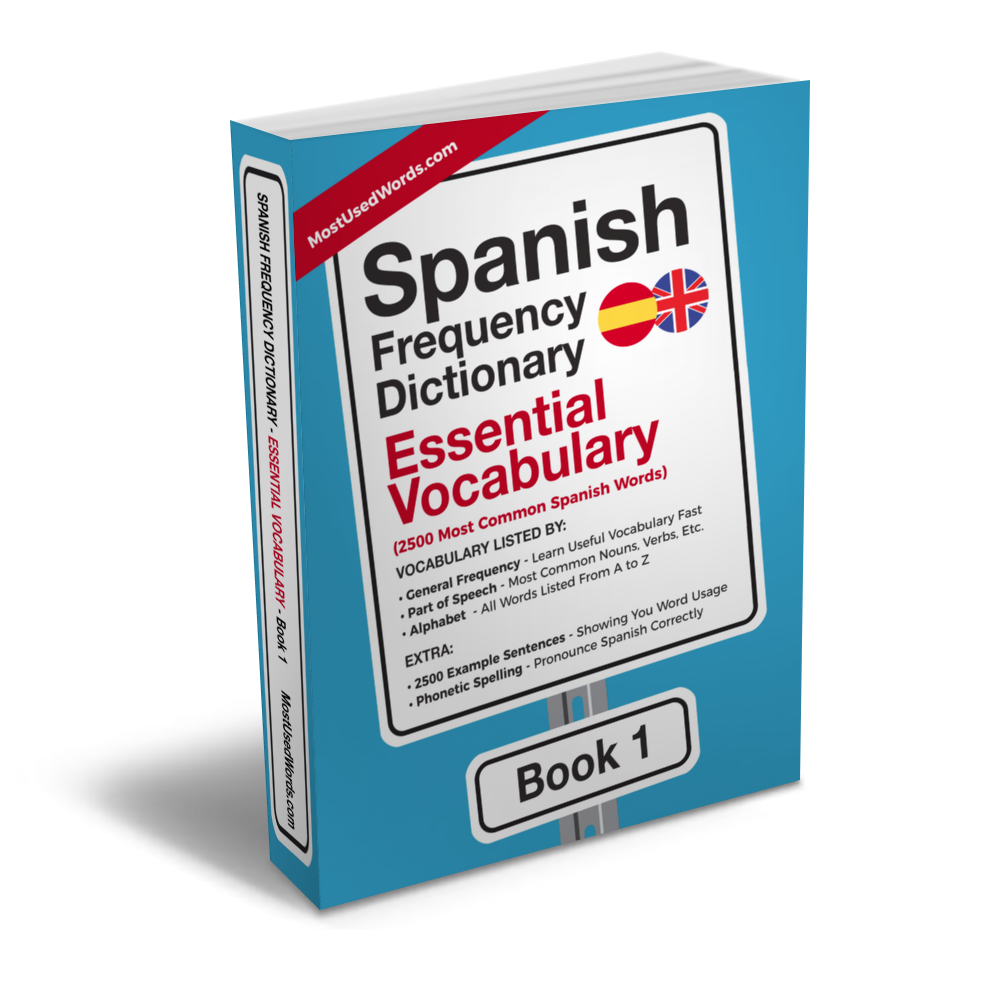
2,500 most common Spanish words with IPA pronunciation & bilingual example sentences
What is "Meeting" in Spanish?
The English term "meeting" refers to a gathering or assembly of people for a particular purpose. In Spanish, the word reunión (IPA: /re.uˈnjon/) is widely used across the Spanish-speaking world and encompasses various types of gatherings, including business meetings, social gatherings, and formal assemblies.
Etymology of 'Reunión'
Want to improve your Spanish?
The Spanish Frequency Dictionary series covers the 10,000 most common Spanish words — ranked by how often native speakers actually use them, with IPA pronunciation, English translations, and bilingual example sentences at every level.
Browse all 4 volumes →The term "reunión" comes from the Latin words re, meaning again or back, and unire, which means to unite. This etymology reflects the idea of people coming together once more for a specific purpose.
Cultural Context and Usage in Different Spanish-Speaking Countries
The word "meeting" can vary slightly in meaning or usage across different Spanish-speaking countries, reflecting cultural nuances and regional preferences:
- Mexico and Colombia: In some Latin American countries like Mexico and Colombia, the term junta (IPA: /ˈhun.ta/) is also used to refer to a meeting.
- Spain: In Spain, "reunión" is commonly used in both formal and informal settings. However, for more casual or social gatherings, terms like "cita" might be preferred.
Formal vs Informal Meetings
The context of a meeting can influence the choice of words:
- Reunión formal: Used in professional settings such as business meetings, board meetings, or conferences.
- Cita informal: Often used for casual meet-ups with friends or colleagues outside of a work environment.
Translating "Meeting" in Spanish
When it comes to translating the word "meeting" into Spanish, there are several variations depending on the regional context. Let us explore these different translations:
- Reunión (IPA: /re.uˈnjon/): This is the most common translation for "meeting" in Spanish and is widely understood across various Spanish-speaking regions.
- Encuentro (IPA: /enˈkwen.tɾo/): This word can also convey the idea of a meeting, particularly in social or casual contexts. It can be used when referring to a chance encounter or planned get-together.
Sample Sentences for Contextual Use
To help you use these terms effectively, here are some sample sentences:
- Tengo una reunión importante mañana en la oficina. (I have an important meeting tomorrow at the office.)
- Vamos a tener una junta para discutir el proyecto. (We're going to have a meeting to discuss the project.)
- Tengo una cita con mi amigo en un café esta tarde. (I have a casual meet-up with my friend at a cafe this afternoon.)
Build Your Spanish Vocabulary Systematically
The fastest way to grow your Spanish vocabulary is to start with the words you'll actually encounter every day. The Spanish Frequency Dictionary covers the 2,500 most common Spanish words, each with IPA pronunciation, an English translation, and bilingual example sentences.
Browse the full range of Spanish frequency dictionaries to find the volume that matches your level.