How to Say Marigold in Spanish | MostUsedWords.com
As of 2026, "marigold" is translated into Spanish as clavelina (IPA: /klaveˈlina/). This term refers to a specific variety known scientifically as Tagetes erecta or African marigold. Understanding the translation and regional variations can enrich your knowledge of both language and culture.
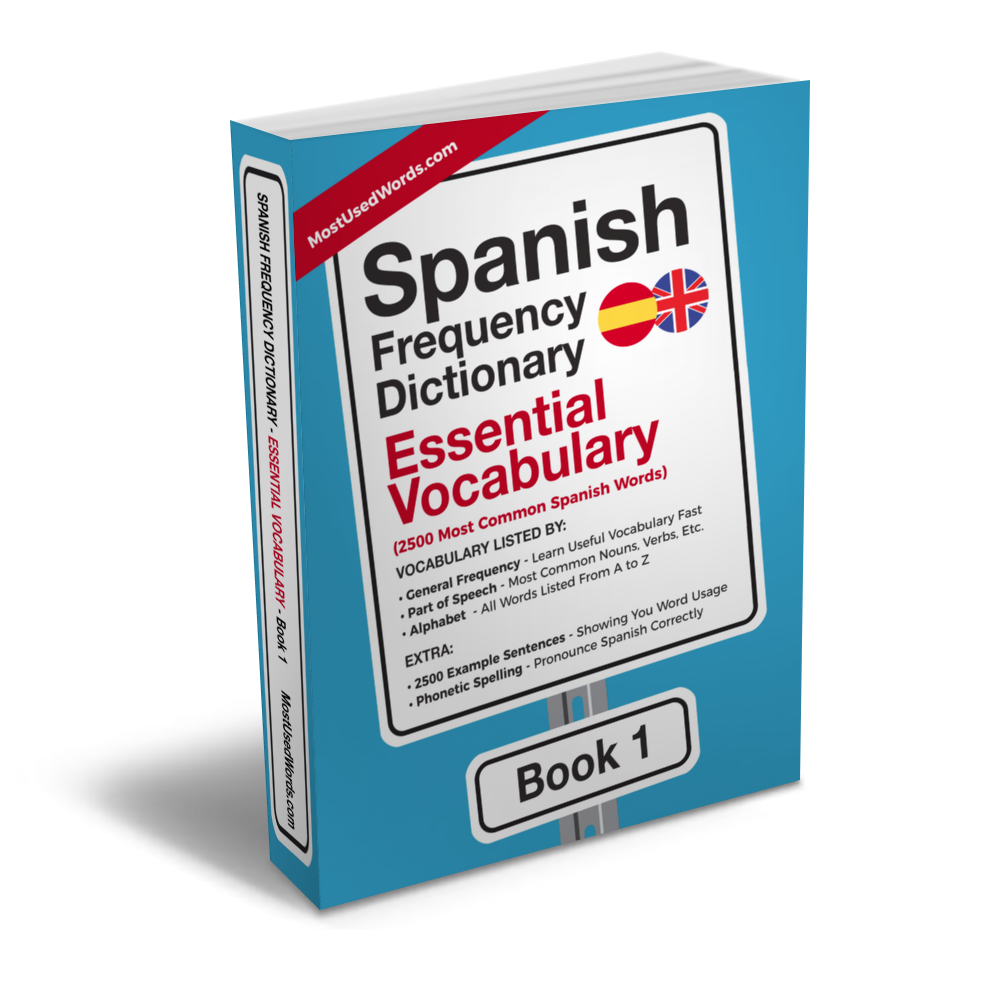
2,500 most common Spanish words with IPA pronunciation & bilingual example sentences
What is "Marigold" in Spanish?
In Spanish, "marigold" translates to clavelina (IPA: /klaveˈlina/). This term specifically refers to the variety known as Tagetes erecta or African marigold. These flowers are celebrated for their vibrant colors and hold significant cultural importance in various Spanish-speaking regions.
Scientific Classification of Marigold in Spanish
Want to improve your Spanish?
The Spanish Frequency Dictionary series covers the 10,000 most common Spanish words — ranked by how often native speakers actually use them, with IPA pronunciation, English translations, and bilingual example sentences at every level.
Browse the full series →The scientific classification of "marigold" in Spanish is Tagetes erecta, commonly known as clavelina or cempasúchil. This variety belongs to the Asteraceae family and is widely recognized for its ornamental and cultural significance.
Cultural Significance of Marigolds Across Spanish-Speaking Countries
Marigolds hold deep cultural importance in many Spanish-speaking countries. In Mexico, they are central to the Day of the Dead celebrations, symbolizing guidance for deceased loved ones. In Guatemala and other South American regions, marigolds are used in traditional festivals and religious ceremonies.
Regional Variations
Like any language, Spanish varies from region to region when it comes to plant names:
- Cempasúchil (IPA: /sem.pa.ˈsu.tʃil/): In Mexico, this term is used during the Day of the Dead celebrations.
- Muicle (IPA: /ˈmwi.kle/): In Guatemala, "muicle" refers to wild marigold species.
- Maravilla (IPA: /ma.ra.ˈbi.ʝa/): This term is used in Argentina and Uruguay for marigolds.
- Caléndula (IPA: /ka.la.en.ˈdu.la/): In Spain, especially Andalusia, "calendula" occasionally refers to marigolds.
How to Say 'Marigold' in Spanish: Sample Sentences
Here are five sample sentences using different regional terms for marigold:
- Las clavelinas en el jardín están floreciendo.
- En México, es tradición usar cempasúchiles en el Día de los Muertos.
- Las clavelinas añaden un toque de color al paisaje.
- Me encanta el aroma de las clavelinas.
- Vamos a plantar cempasúchiles en el jardín este año.
The marigolds in the garden are blooming.
In Mexico, it's a tradition to use marigolds on the Day of the Dead.
The marigolds add a touch of color to the landscape.
I love the scent of marigolds.
Let's plant marigolds in the garden this year.
Frequently Asked Questions
What is another name for marigold in Spanish?
In addition to clavelina, marigold can also be called cempasúchil or calendula depending on the region.
Where are marigolds commonly used in Spain?
Marigolds, known as calendula, are often seen in Andalusia and other parts of southern Spain during religious festivals.
What is the cultural significance of cempasúchil in Mexico?
Cempasúchil plays a crucial role in Mexican Day of the Dead celebrations, symbolizing guidance for deceased loved ones.
Are there any literary references to marigolds in Spanish literature?
Marigolds are occasionally referenced in poetry and prose, often symbolizing remembrance or beauty. For instance, they appear in works by Mexican authors like Octavio Paz.
Build Your Spanish Vocabulary Systematically
The fastest way to grow your Spanish vocabulary is to start with the words you'll actually encounter every day. The Spanish Frequency Dictionary covers the 2,500 most common Spanish words, each with IPA pronunciation, an English translation, and bilingual example sentences.
Browse the full range of Spanish frequency dictionaries to find the volume that matches your level.