How to Say However in Spanish | Most Used Words
Updated for 2026, "how to say however in Spanish" is a common query among language learners. The word "however" translates to "sin embargo," which introduces a contrast or contradiction between two ideas.
What is "However" in Spanish?
The phrase "sin embargo", meaning literally "without however", serves as an adverb to introduce a contrasting idea. It's widely used across various contexts, from casual conversations to formal writing. For example:
- Me encanta el chocolate. Sin embargo, no puedo comerlo debido a mi alergia. (I love chocolate. However, I can't eat it because of my allergy.)
- El examen era fácil. Sin embargo, no pude terminarlo a tiempo. (The exam was easy. However, I couldn't finish it on time.)
Pronunciation Guide for "Sin Embargo"
Want to improve your Spanish?
The Spanish Frequency Dictionary series covers the 10,000 most common Spanish words — ranked by how often native speakers actually use them, with IPA pronunciation, English translations, and bilingual example sentences at every level.
Browse all 4 volumes →To correctly pronounce "sin embargo", break it down as follows: /sin em.ˈbar.go/. This phrase is crucial in conveying contrasts and contradictions effectively.
Comparison with Other Conjunctions
While "sin embargo" is a formal way to express contrast, other conjunctions like "pero" (but) or "aunque" (although) are also commonly used. Here’s how they differ:
- Pero: More casual and straightforward, often used in everyday speech.
- Aunque: Used to introduce a concession or exception, similar to "though" or "even though."
Regional Differences in Usage of "Sin Embargo"
The use of "sin embargo" can vary across Spanish-speaking regions. In Mexico and Argentina, you might encounter the phrase "no obstante", which is used more frequently than "sin embargo" in these areas.
- No obstante, el clima es muy cambiante en esta época del año. (Nevertheless, the weather is very changeable at this time of year. - Common in Mexico and Argentina)
- Sin embargo, prefiero quedarme en casa hoy. (However, I prefer to stay home today. - Common in Spain)
Formal vs. Informal Usage of "Sin Embargo"
The usage of "sin embargo" can vary depending on the formality level of a conversation or written text. In formal settings, such as academic papers or professional emails, "no obstante" might be preferred over "sin embargo". However, in casual conversations and everyday writing, "sin embargo" is more commonly used.
Common Mistakes When Using "Sin Embargo"
A common mistake when using "sin embargo" is to place it at the beginning of a sentence without proper context. This can make your statement sound abrupt or unclear. Always ensure that there's a clear contrast being introduced.
How-to-Say-No-Obstante-in-Spanish
To express "nevertheless" in Spanish, you would use "no obstante". This phrase is more formal and less common than "sin embargo," but it's important to know for academic or professional contexts.
Spanish Contrasts Conjunctions
In addition to "sin embargo", other conjunctions like "pero" (but) and "aunque" (although) are used to express contrasts. Understanding the nuances between these can greatly enhance your Spanish communication skills.
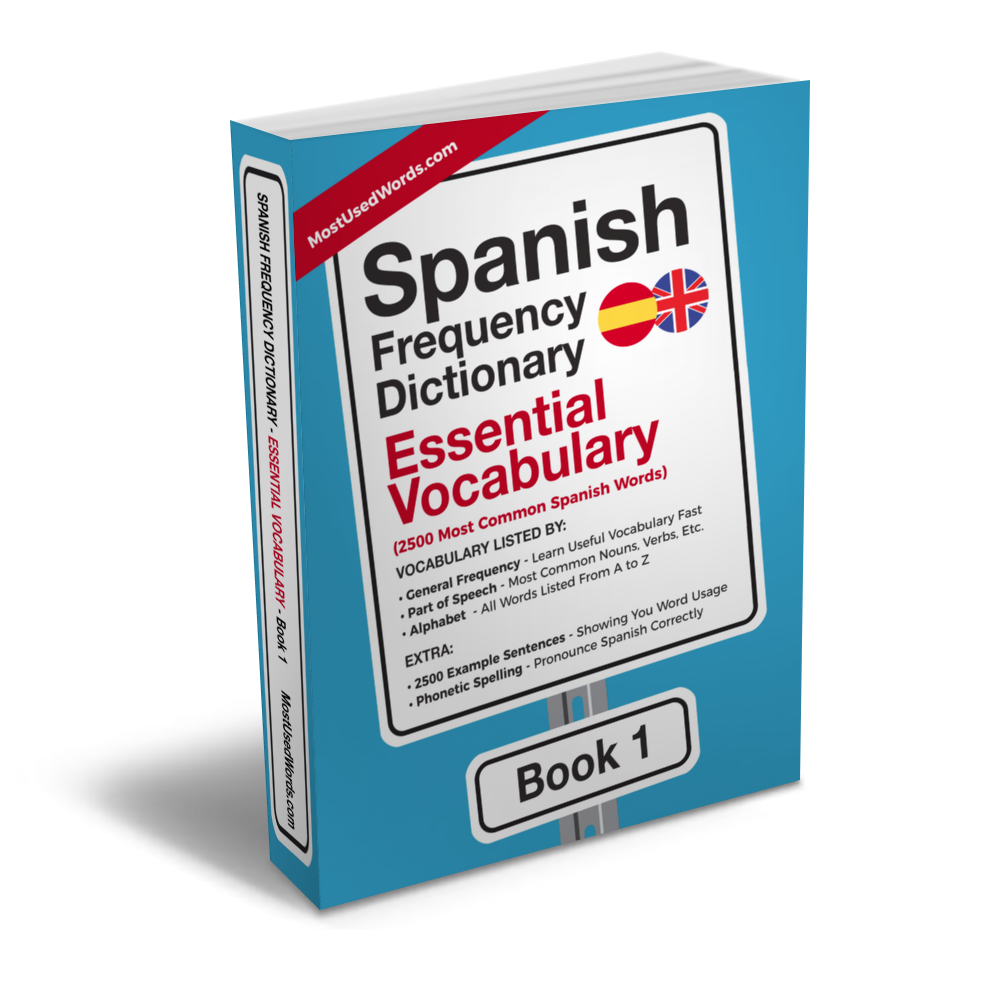
2,500 most common Spanish words with IPA pronunciation & bilingual example sentences
Build Your Spanish Vocabulary Systematically
The fastest way to grow your Spanish vocabulary is to start with the words you'll actually encounter every day. The Spanish Frequency Dictionary covers the 2,500 most common Spanish words, each with IPA pronunciation, an English translation, and bilingual example sentences.
Browse the full range of Spanish frequency dictionaries to find the volume that matches your level.