How to Say Hot in Spanish | MostUsedWords.com
As of 2026, the word for "hot" in Spanish is "caliente." Whether you're discussing weather or expressing that something is spicy or sexy, understanding how to use this versatile term correctly is essential.
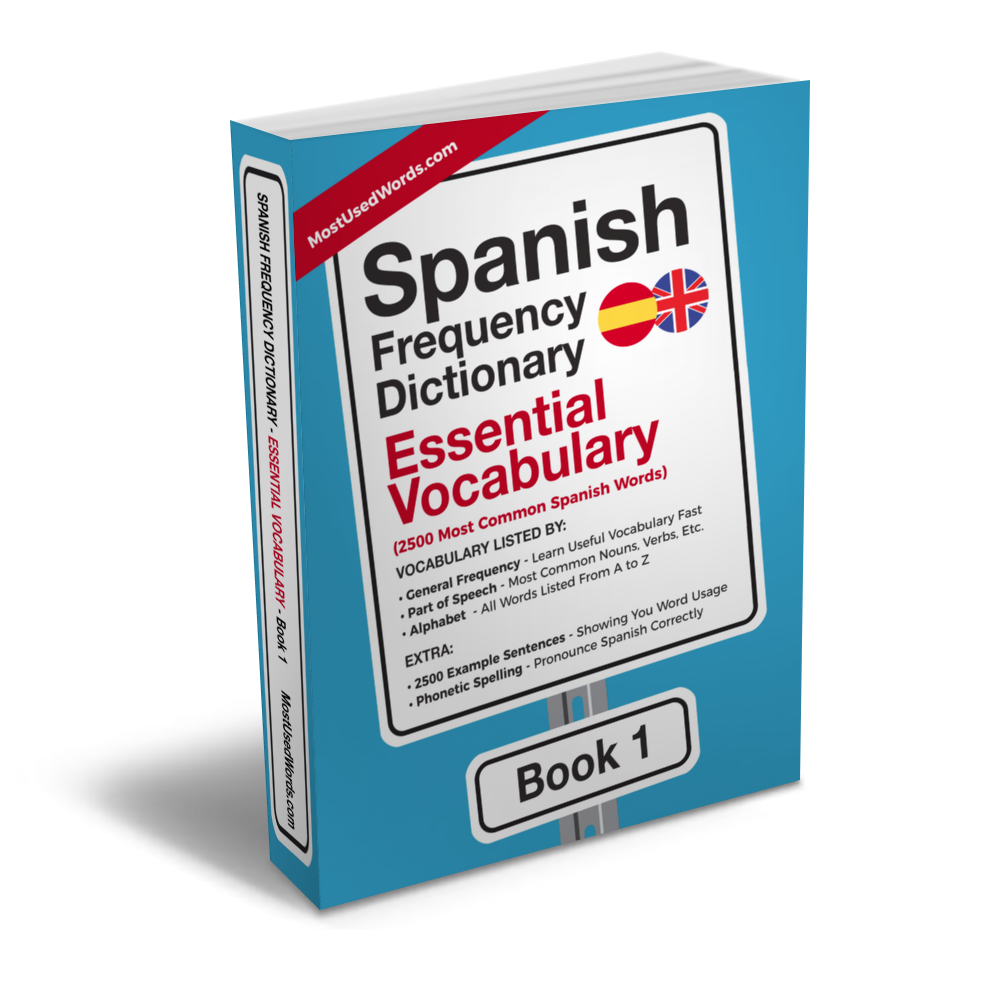
2,500 most common Spanish words with IPA pronunciation & bilingual example sentences
Cultural Context and Regional Differences
The primary term used across most of the Spanish-speaking world for "hot" is "caliente," pronounced /ka'ljente/. However, regional variations exist. In Mexico, you might hear "cálido" (IPA: /'kaliðo/) to describe hot weather or temperature conditions. Meanwhile, in Spain, the word "ardiente" (IPA: /ar'djente/) can be used more romantically or sensually.
Meaning of "Hot" in Spanish
In addition to its literal meaning, "caliente" is also used figuratively. It can mean "spicy" and "sexy. Here are some examples:
- This chili is very spicy. (Este chile es muy caliente.)
- That model is very sexy. (Esa modelo es muy caliente.)
- The weather is hot today. (Hace mucho calor hoy.)
- I burned myself with the hot water. (Me quemé con el agua caliente.)
- No put me on the spot. (No me pongas en caliente.)
- I have a hot problem. (Tengo un problema caliente.)
Digital and Social Media Usage
"Caliente" is frequently used in digital and social media contexts, especially when discussing spicy food or sexy content. For instance, you might see "#calientepizza" for a spicy pizza or "¡Qué caliente!" to express excitement about something.
How to Say Spicy in Spanish
To say "spicy" in Spanish, use the term "picante" (IPA: /pi'kante/). This word is commonly used when referring to food that has a strong flavor due to spices or chili peppers.
Hot Weather in Spanish
To describe hot weather conditions specifically, you can use the phrase "Hace mucho calor" (It's very hot) or "El clima está caliente" (The climate is hot).
Want to improve your Spanish?
The Spanish Frequency Dictionary series covers the 10,000 most common Spanish words — ranked by how often native speakers actually use them, with IPA pronunciation, English translations, and bilingual example sentences at every level.
Browse all 4 volumes →Build Your Spanish Vocabulary Systematically
The fastest way to grow your Spanish vocabulary is to start with the words you'll actually encounter every day. The Spanish Frequency Dictionary covers the 2,500 most common Spanish words, each with IPA pronunciation, an English translation, and bilingual example sentences.
Browse the full range of Spanish frequency dictionaries to find the volume that matches your level.