How to Say Hat in Spanish | MostUsedWords.com
Updated for 2026, knowing how to say "hat" in Spanish is essential whether you're traveling or communicating with Spanish speakers. The word for "hat" in Spanish is "sombrero", pronounced /som.ˈbɾe.ɾo/. This versatile accessory has various types and uses across different regions of the Spanish-speaking world.
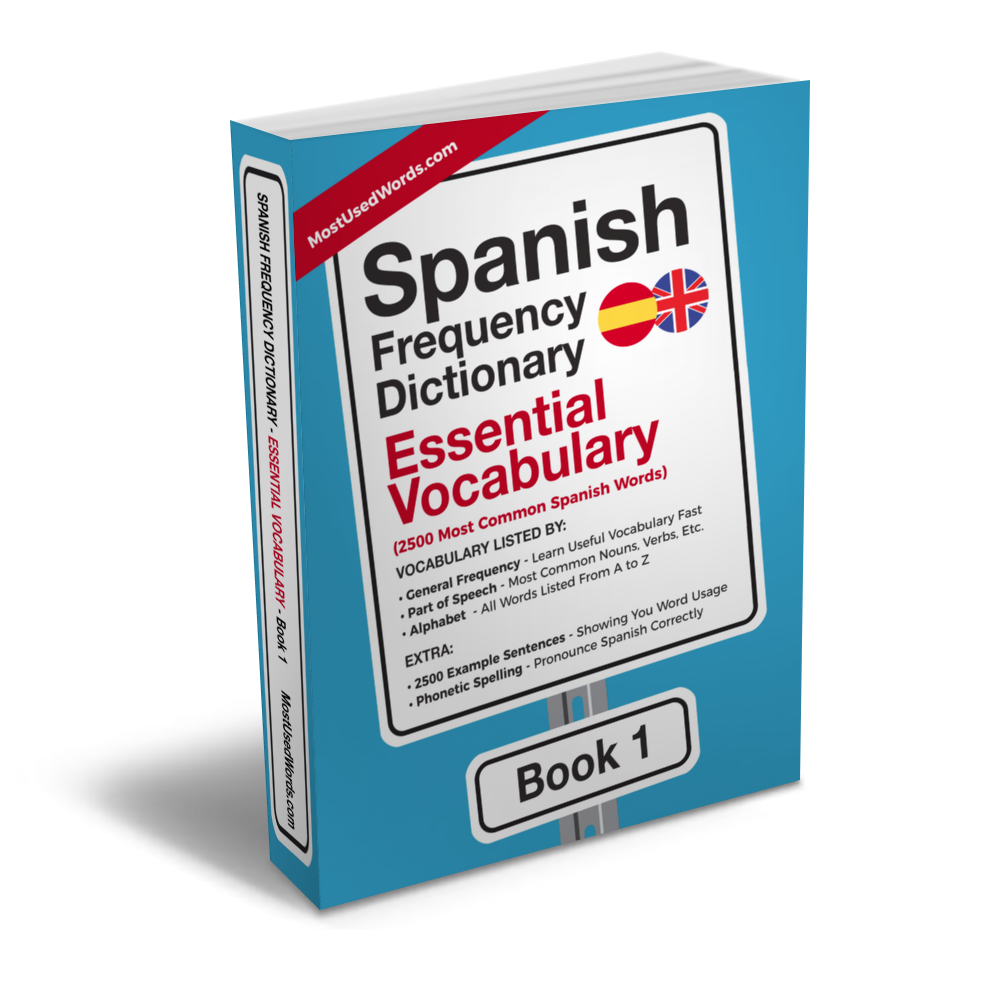
2,500 most common Spanish words with IPA pronunciation & bilingual example sentences
What is "Hat" in Spanish?
The primary term used for a hat in Spanish is sombrero. However, it's important to note that regional variations exist. For instance, in Mexico, "sombrero" often refers specifically to a wide-brimmed hat commonly worn by farmers and ranchers.
Meaning of "Hat" in Spanish
Want to improve your Spanish?
The Spanish Frequency Dictionary series covers the 10,000 most common Spanish words — ranked by how often native speakers actually use them, with IPA pronunciation, English translations, and bilingual example sentences at every level.
Browse all 4 volumes →The meaning of "hat" in Spanish is similar to its English counterpart: it's a head covering used for protection from the sun, warmth, or fashion. In some regions, hats are also part of traditional attire and worn during specific events.
Types of Hats in Spanish-Speaking Cultures
In addition to "sombrero," there are several other words for different types of hats:
- Gorra (IPA: /ˈɡo.ra/): Cap, typically worn by sports fans or as casual wear.
- Boina (IPA: /bo.ˈi.na/): Beret, often associated with Basque culture and used in traditional settings.
- Visera (IPA: /bi.ˈse.ra/): Visor, commonly found on baseball caps to shield the eyes from sunlight.
- Casco (IPA: /ˈkas.ko/): Helmet, not typically considered a hat but included for completeness.
How to Say Hat in Spanish: Sample Sentences
To help you practice using these words, here are some sample sentences:
- ¿Dónde compraste ese sombrero?
- Me gusta tu gorra nueva.
- No olvides ponerte una boina antes de salir al sol.
- En este evento, todos deben usar visera como parte del atuendo.
- Pon un sombrero para protegerte del sol.
(Where did you buy that hat?)
(I like your new cap.)
(Don't forget to wear a beret before going out in the sun.)
(At this event, everyone should wear a visor as part of the outfit.)
(Put on a hat to protect yourself from the sun.)
Hats in Idiomatic Expressions
Hats also feature prominently in Spanish idioms and expressions. For example:
- "No se me quita el sombrero": This expression means "I can't take my hat off," indicating admiration or respect for someone.
- "Echarse la culpa a uno mismo como si fuera un sombrero": Meaning, to blame oneself excessively as if one were wearing the blame like a hat.
Conclusion
In conclusion, understanding how to say "hat" in Spanish and its various regional uses can greatly enhance your communication skills. Whether you're traveling or learning for personal interest, knowing these terms will help you navigate conversations more effectively.
Build Your Spanish Vocabulary Systematically
The fastest way to grow your Spanish vocabulary is to start with the words you'll actually encounter every day. The Spanish Frequency Dictionary covers the 2,500 most common Spanish words, each with IPA pronunciation, an English translation, and bilingual example sentences.
Browse the full range of Spanish frequency dictionaries to find the volume that matches your level.