How to Say Grandmother in Spanish | MostUsedWords.com
As of 2026, when learning a new language like Spanish, one of the first words you might want to know is how to say "grandmother." In Spanish, this term is commonly expressed as abuela, which holds significant cultural importance across various regions. This article delves into the nuances of saying "grandmother" in Spanish, including regional variations and their unique pronunciations.

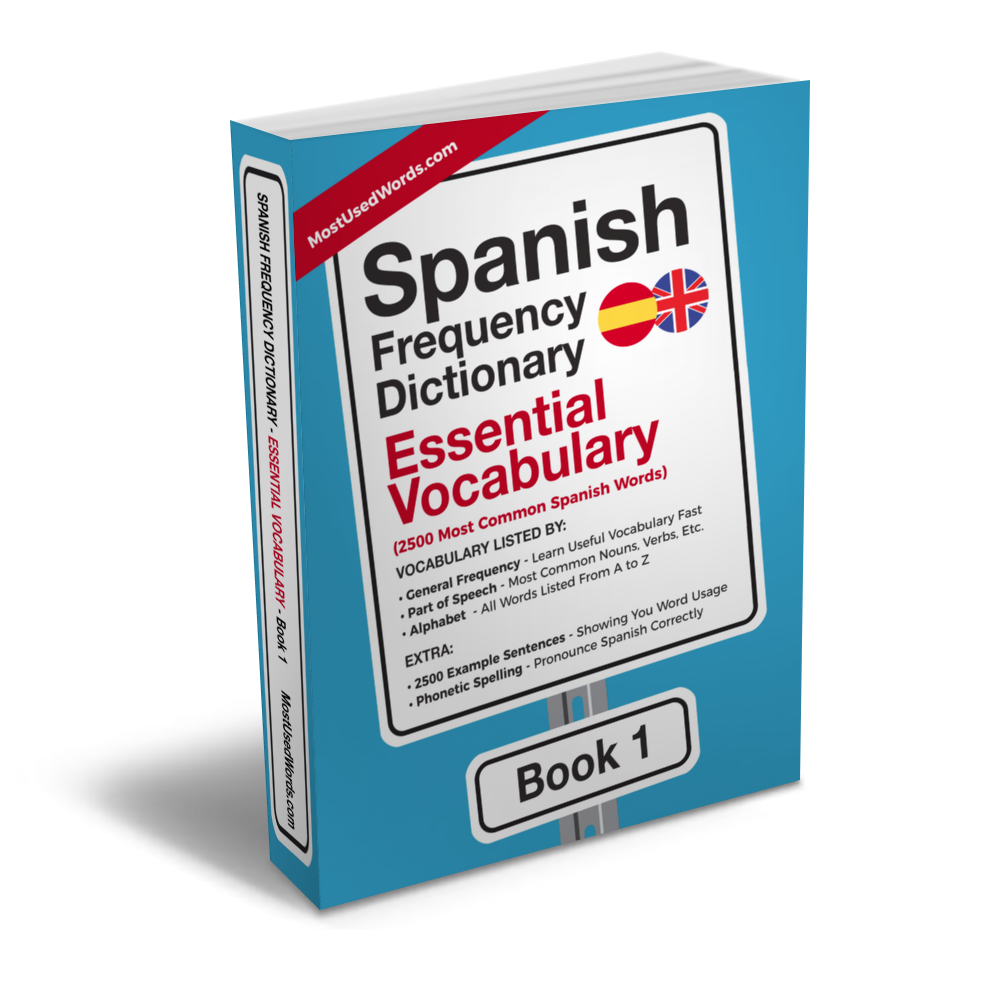
2,500 most common Spanish words with IPA pronunciation & bilingual example sentences
What is "Grandmother" in Spanish?
In Spanish, the term for grandmother is abuela (IPA: /aˈβwe.la/). This affectionate and neutral word is widely used across Spanish-speaking regions. It not only translates to "grandmother" but also conveys a sense of respect and admiration for older family members.
Cultural Significance of Abuela
Want to improve your Spanish?
The Spanish Frequency Dictionary series covers the 10,000 most common Spanish words — ranked by how often native speakers actually use them, with IPA pronunciation, English translations, and bilingual example sentences at every level.
Browse all 4 volumes →The term abuela holds profound cultural significance in Hispanic cultures. It symbolizes warmth, wisdom, and love, reflecting the cherished role grandmothers play in families and communities as the heart and soul.
Regional Variations of Grandmother in Spanish
While "abuela" is the most common term for grandmother in Spanish, there are several regional variations that add flavor to the language:
- Abuelita (IPA: /aβweˈli.ta/): Popular in Mexico and parts of Central America, this variation adds a diminutive suffix ("-ita") to express even more endearment.
- Abuela vieja (IPA: /aˈβwe.la ˈβje.xa/) or abuela mayor (IPA: /aˈβwe.la maˈʝor/): Used in some South American countries like Argentina and Uruguay, these terms emphasize the wisdom and seniority of an elderly grandmother.
- Yaya (IPA: /ˈʝa.ʝa/): Commonly used in Spain and parts of Latin America, "yaya" is a casual or intimate term for grandmother.
- Abá (IPA: /aˈβa/): In the Caribbean, particularly in the Dominican Republic, "abá" is frequently used to refer to a grandmother.
- Nonna (IPA: /ˈnon.a/): While not technically Spanish, this term is used in Puerto Rico's Spanish-speaking community, influenced by Italian culture.
How to Use "Abuela" in Different Contexts
Understanding how to use the word abuela in different contexts can enhance your communication skills. Here are some examples:
- Mi abuela es muy cariñosa.
(My grandmother is very affectionate.)
- ¿Has hablado con tu abuela hoy?
(Have you talked to your grandmother today?)
- La abuelita preparó una deliciosa cena.
(Grandma prepared a delicious dinner.)
Related Articles
Build Your Spanish Vocabulary Systematically
The fastest way to grow your Spanish vocabulary is to start with the words you'll actually encounter every day. The Spanish Frequency Dictionary covers the 2,500 most common Spanish words, each with IPA pronunciation, an English translation, and bilingual example sentences.
Browse the full range of Spanish frequency dictionaries to find the volume that matches your level.