How to Say Feedback in Spanish | MostUsedWords.com
As of 2026, expanding your Spanish vocabulary is easier than ever. One crucial term you should know is "feedback," which can be expressed in various ways depending on the context.
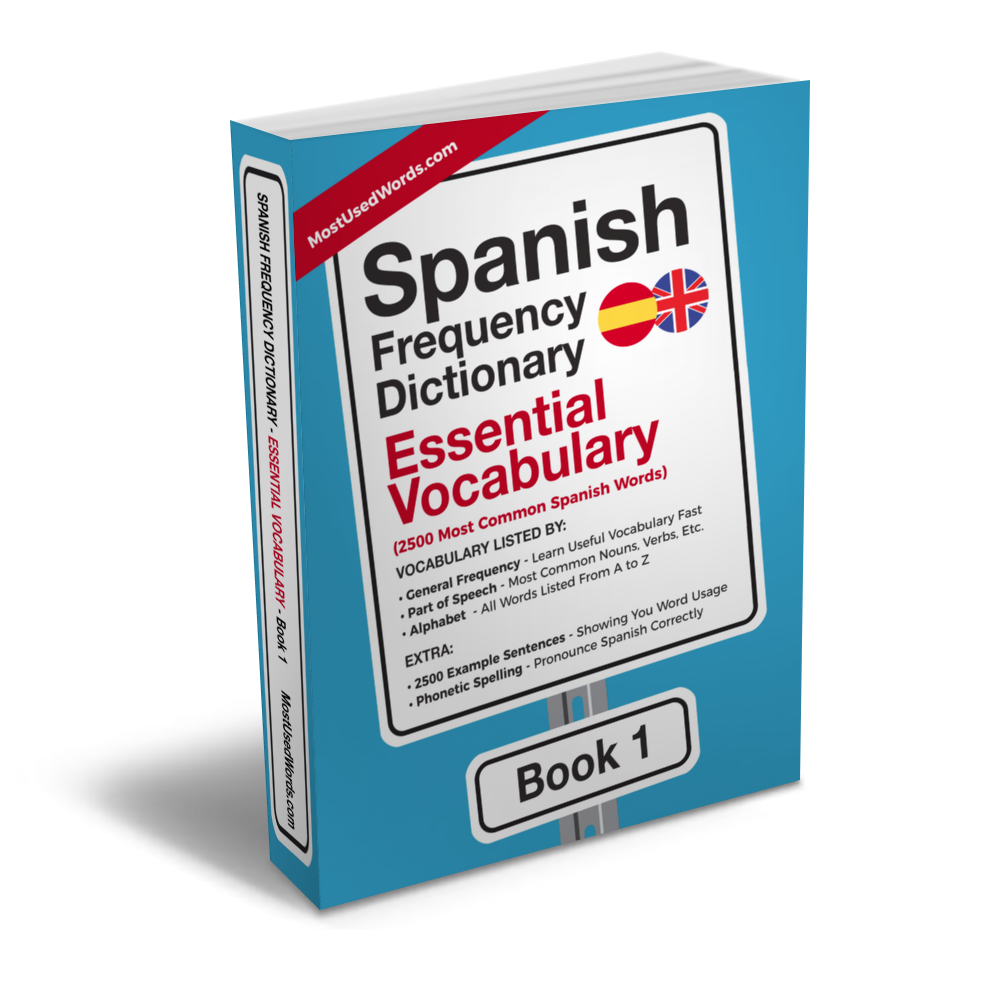
2,500 most common Spanish words with IPA pronunciation & bilingual example sentences
How to Say "Feedback" in Spanish
The term "feedback" in Spanish can be expressed in multiple ways depending on the context and region. The most common translations include retroalimentación (IPA: /re.tɾo.a.li.men.taˈθjon/), comentario (IPA: /ko.menˈta.ɾjo/), opinión (IPA: /o.piˈnjon/), and crítica (IPA: /ˈkɾi.ti.ka/).
Meaning of "Feedback" in Spanish
Want to improve your Spanish?
The Spanish Frequency Dictionary series covers the 10,000 most common Spanish words — ranked by how often native speakers actually use them, with IPA pronunciation, English translations, and bilingual example sentences at every level.
Browse the full series →Understanding the meaning of "feedback" in Spanish involves recognizing its diverse applications and connotations. Here is a breakdown of the key nuances:
- Retroalimentación: As mentioned earlier, "retroalimentación" is the formal term for feedback. It implies a structured and systematic process of giving and receiving information to improve a product, service, or performance. In professional environments, you're likely to encounter this word when discussing evaluations or assessments.
- Comentario: "Comentario" is a versatile term used in both formal and informal contexts. It can refer to comments, opinions, or feedback, making it suitable for everyday conversations, as well as online interactions.
- Opinión: "Opinión" signifies a personal viewpoint or opinion. While it may not explicitly convey the idea of feedback, it can be used informally to share one's thoughts or impressions about something.
- Crítica: "Crítica" is often associated with constructive criticism or feedback aimed at improving a situation. It highlights areas that need attention or adjustment, making it valuable in contexts where improvement is the goal.
How to Ask for Feedback in Different Contexts
Asking for feedback can be crucial in various situations, from professional settings to personal interactions. Here are some phrases you might use:
- Necesito tu retroalimentación sobre el informe que presenté ayer. (I need your feedback on the report I presented yesterday)
- El profesor nos dio una retroalimentación detallada sobre nuestras presentaciones. (The professor provided us with detailed feedback on our presentations)
- Los comentarios de los clientes son muy importantes para nosotros. (Customer feedback is essential to us)
- Deja un comentario en el artículo si tienes alguna pregunta. (Leave a comment on the article if you have any questions)
- La crítica del chef fue valiosa para perfeccionar la receta. (The chef's feedback was valuable for perfecting the recipe)
Examples of Written Feedback in Spanish
Here are some examples of written feedback you might encounter or provide:
- El trabajo es excelente, pero necesitas mejorar la ortografía. (The work is excellent, but you need to improve your spelling)
- Tu presentación fue muy clara y bien estructurada. Sugiero incluir más ejemplos prácticos. (Your presentation was very clear and well-structured. I suggest including more practical examples)
- Aprecio tus comentarios constructivos sobre mi proyecto. Estoy trabajando en implementar tus sugerencias. (I appreciate your constructive comments on my project. I am working to implement your suggestions)
Cultural Nuances When Giving Feedback in Spanish-Speaking Countries
When giving feedback, it's important to be mindful of cultural differences and nuances:
- Directness vs. Indirectness: In some cultures, such as Spain, direct communication is more common, while in others like Mexico or Colombia, indirect communication might be preferred.
- Hierarchy: Understanding the hierarchical structure of an organization can help you tailor your feedback appropriately.
- Non-verbal Communication: Pay attention to non-verbal cues such as body language and tone of voice, which can convey a lot about how your message is received.
Feedback in Professional Settings
In professional settings, feedback often involves formal communication channels:
- Performance Reviews: Use "retroalimentación" when discussing performance evaluations with colleagues or subordinates.
- Client Interactions: Utilize "comentarios" and "críticas" to gather client feedback on products or services.
Frequently Asked Questions
What is the best way to ask for feedback in Spanish?
The most effective way to ask for feedback depends on the context. For professional settings, use "retroalimentación." In informal contexts, you can opt for "comentario" or "crítica."
How do I give constructive criticism in Spanish?
To give constructive criticism, use phrases like "Crítico constructivo" and ensure your feedback is specific, actionable, and balanced with positive remarks.
What are some common words for feedback in Spanish?
Common words include "retroalimentación," "comentario," "opinión," and "crítica."
How can I improve my feedback skills in Spanish?
Practice using different phrases, understand cultural nuances, and seek opportunities to give and receive feedback regularly.

- Beginner Spanish
- Intermediate Spanish
- Spanish Frequency Dictionary covers the 2,500 most common Spanish words, each with IPA pronunciation, an English translation, and bilingual example sentences.
Browse the full range of Spanish frequency dictionaries to find the volume that matches your level.