How to Say Beach in Spanish | Regional Variations & Pronunci
As of 2026, knowing how to say "beach" in Spanish is essential for travelers heading to Spain or any other Spanish-speaking country along the coast. The standard term used across many regions is playa (IPA: /ˈplaʝa/), which refers to a sandy shore by the sea or a large river, often with recreational activities and scenic views.

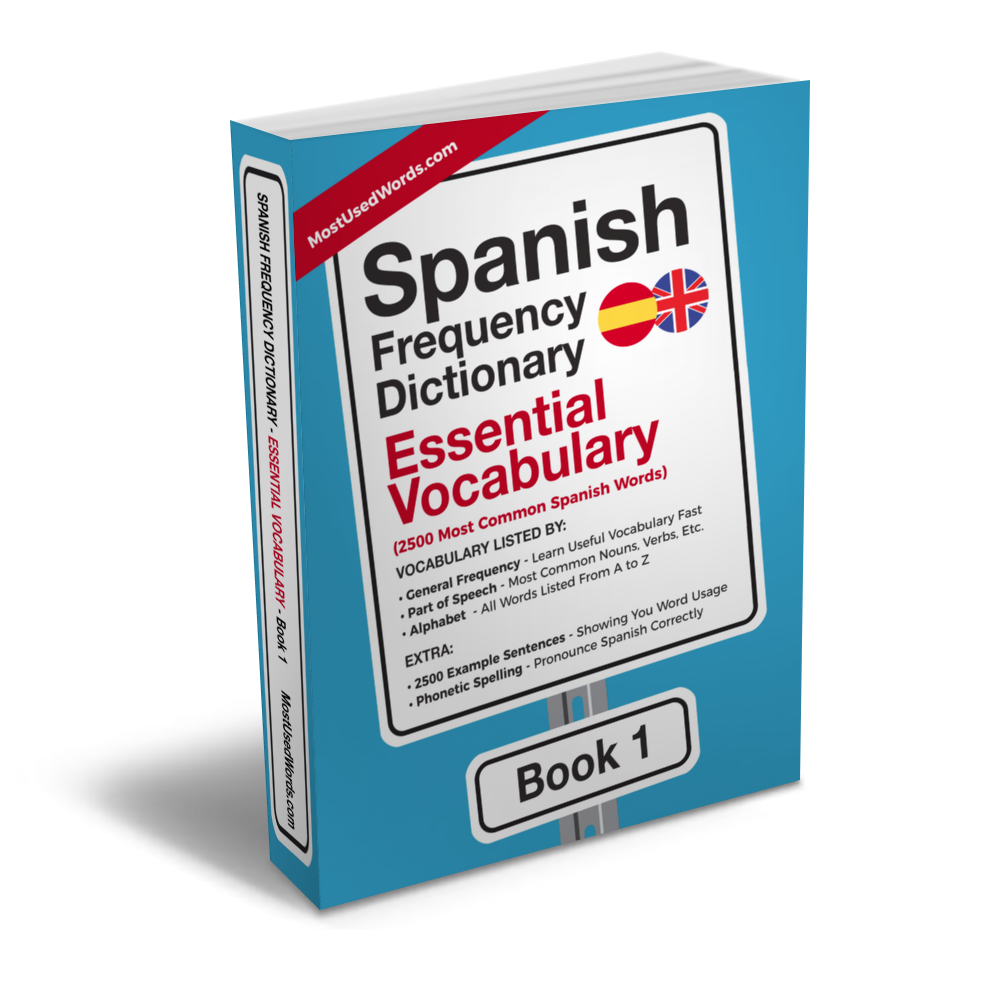
2,500 most common Spanish words with IPA pronunciation & bilingual example sentences
What is "Beach" in Spanish?
The word for beach in Spanish varies across different regions. While playa is the most widely recognized term, other regional variations exist that reflect local cultural contexts and usage patterns.
Variations of "Beach" in Spanish-Speaking Countries
Want to improve your Spanish?
The Spanish Frequency Dictionary series covers the 10,000 most common Spanish words — ranked by how often native speakers actually use them, with IPA pronunciation, English translations, and bilingual example sentences at every level.
Browse all 4 volumes →- Playa (IPA: /ˈplaʝa/): This is the standard term for beach used across Spain, Mexico, Central America, and most South American countries. It refers to a sandy shore by the sea or a large river.
- Costa (IPA: /ˈkosta/): In Spain, especially along the Mediterranean coast, "costa" is commonly used to refer to the beach. This term emphasizes the coastal aspect and can be translated as "coast" or "seashore."
- Litoral (IPA: /li.toˈɾal/): In some Spanish-speaking countries, such as Argentina, Uruguay, and Colombia, the term "litoral" is employed to refer to the beach. Derived from the word "coastal," it highlights the geographical context of the area.
- Orilla (IPA: /o.ˈɾi.ʎa/): In certain Latin American countries, including Mexico, Colombia, and Peru, the word "orilla" is occasionally used to describe the beach. It can also mean "shore" or "bank."
- Borda (IPA: /ˈbor.da/): In parts of the Caribbean, particularly the Dominican Republic and Puerto Rico, you may come across the term "borda" to indicate the beach. This word is more regionally specific and not widely understood outside these areas.
Cultural Context of Beaches in Spanish-Speaking Countries
Beaches play a significant role in the cultural life of many Spanish-speaking countries, serving as popular destinations for tourism, relaxation, and social gatherings. Understanding regional variations can enhance your appreciation of local customs and traditions.
Sample Sentences Using Beach-Related Vocabulary
- La playa en Barcelona es famosa por su belleza.
- Me encanta pasear por la costa en las tardes soleadas.
- Vamos a pasar el día en la ribera del río para disfrutar del sol.
- ¿Cuál es tu playa favorita en México?
(The beach in Barcelona is famous for its beauty.)
(I love walking along the coast on sunny afternoons.)
(We are going to spend the day on the riverbank to enjoy the sun.)
(What is your favorite beach in Mexico?)
Build Your Spanish Vocabulary Systematically
The fastest way to grow your Spanish vocabulary is to start with the words you'll actually encounter every day. The Spanish Frequency Dictionary covers the 2,500 most common Spanish words, each with IPA pronunciation, an English translation, and bilingual example sentences.
Browse the full range of Spanish frequency dictionaries to find the volume that matches your level.