How to Say 92 in Spanish | Cardinal and Ordinal Forms Explai
As of 2026, learning Spanish numbers is an essential step towards mastering the language. If you're wondering how to say ninety-two in Spanish, you are in the right place. In this article, we will cover the cardinal and ordinal forms of 92, share helpful tips for pronunciation, provide cultural context on number usage, and offer common phrases using the number 92 in Spanish-speaking countries.
The cardinal form of 92 or “ninety-two” in Spanish is "noventa y dos" (IPA: /noven̪ta i ˈdos/). This breaks down as:
- /noven̪ta/: This part means "ninety". It's pronounced with stress on the second syllable and includes a voiced dental nasal consonant (represented by "n̪").
- /i/: This is a linking vowel connecting "noventa" and "dos". Pronounce it like the English word "ee".
- /ˈdos/: This means "two", pronounced with stress on the first syllable and an unvoiced dental fricative consonant (represented by "θ").
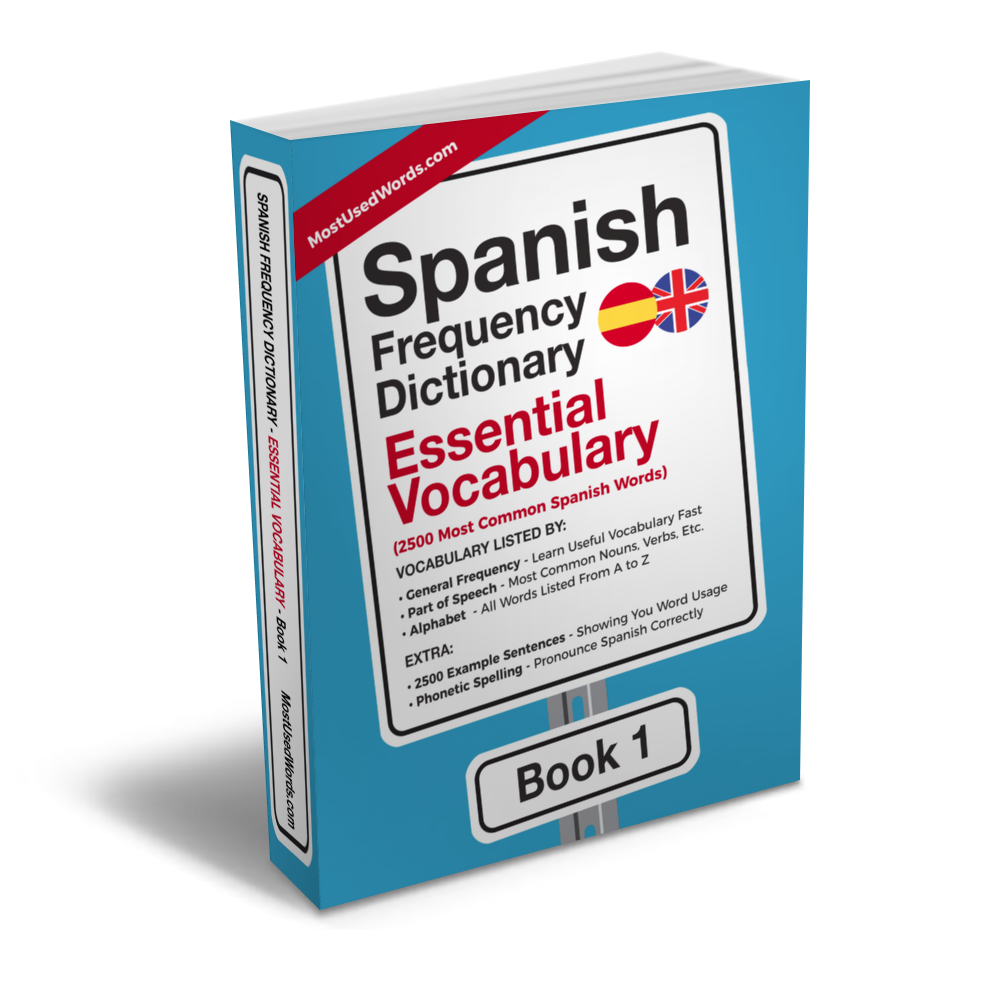
2,500 most common Spanish words with IPA pronunciation & bilingual example sentences
Pronunciation Tips for Non-Native Speakers
Want to improve your Spanish?
The Spanish Frequency Dictionary series covers the 10,000 most common Spanish words — ranked by how often native speakers actually use them, with IPA pronunciation, English translations, and bilingual example sentences at every level.
Browse all 4 volumes →The ordinal form of 92 in Spanish is "ninetieth-second" or "nonagésimo segundo" (/nonaˈxesimo ˈseɣundo/). It breaks down as:
- /nonaˈxesimo/: This means "ninetieth", pronounced with stress on the second syllable and a voiceless postalveolar fricative consonant (represented by "ʃ").
- /ˈseɣundo/: This means "second", pronounced with stress on the second syllable and a voiced velar fricative consonant (represented by "ɣ").
Cultural Context of Number Usage in Spanish-Speaking Countries
In many Spanish-speaking countries, numbers like 92 can hold cultural significance. For example, it might be used to describe someone's age or a significant event that occurred on the 92nd day of the year.
Common Phrases Using the Number 92 in Spanish-Speaking Countries
Here are some common phrases using the number 92:
- Hoy es el cumpleaños de mi abuela, quien cumple noventa y dos años.
- Ayer vi a un hombre que llevaba el número noventa y dos en su camiseta.
- El libro de mi hermano tiene noventa y dos páginas.
(Today is my grandmother's birthday, who is turning ninety-two.)
(Yesterday I saw a man wearing the number ninety-two on his shirt.)
(My brother's book has ninety-two pages.)
Sample Sentences with Variations
Let’s explore more sample sentences using "noventa y dos" in various contexts:
- Noventa y dos es un número importante en la historia de nuestro país.
- El proyecto lleva noventa y dos meses en desarrollo.
- Ahora mismo hay noventa y dos personas esperando para entrar al concierto.
(Ninety-two is an important number in the history of our country.)
(The project has been under development for ninety-two months.)
(Right now, there are ninety-two people waiting to enter the concert.)
Build Your Spanish Vocabulary Systematically
The fastest way to grow your Spanish vocabulary is to start with the words you'll actually encounter every day. The Spanish Frequency Dictionary covers the 2,500 most common Spanish words, each with IPA pronunciation, an English translation, and bilingual example sentences.
Browse the full range of Spanish frequency dictionaries to find the volume that matches your level.