How to Say 68 in Spanish | Cardinal and Ordinal Forms Explai
As of 2026, learning numbers is a fundamental step when studying any language, including Spanish. If you're trying to learn how to say sixty-eight in Spanish or how-to-say-68-in-spanish, this guide offers comprehensive insights into both cardinal and ordinal forms along with pronunciation tips.
In Spanish, the number 68 is written as "sesenta y ocho". This article delves into the nuances of pronouncing this number correctly and provides cultural context to enhance your understanding. Additionally, we explore how the ordinal form "sexagésimo octavo" is used in various scenarios.
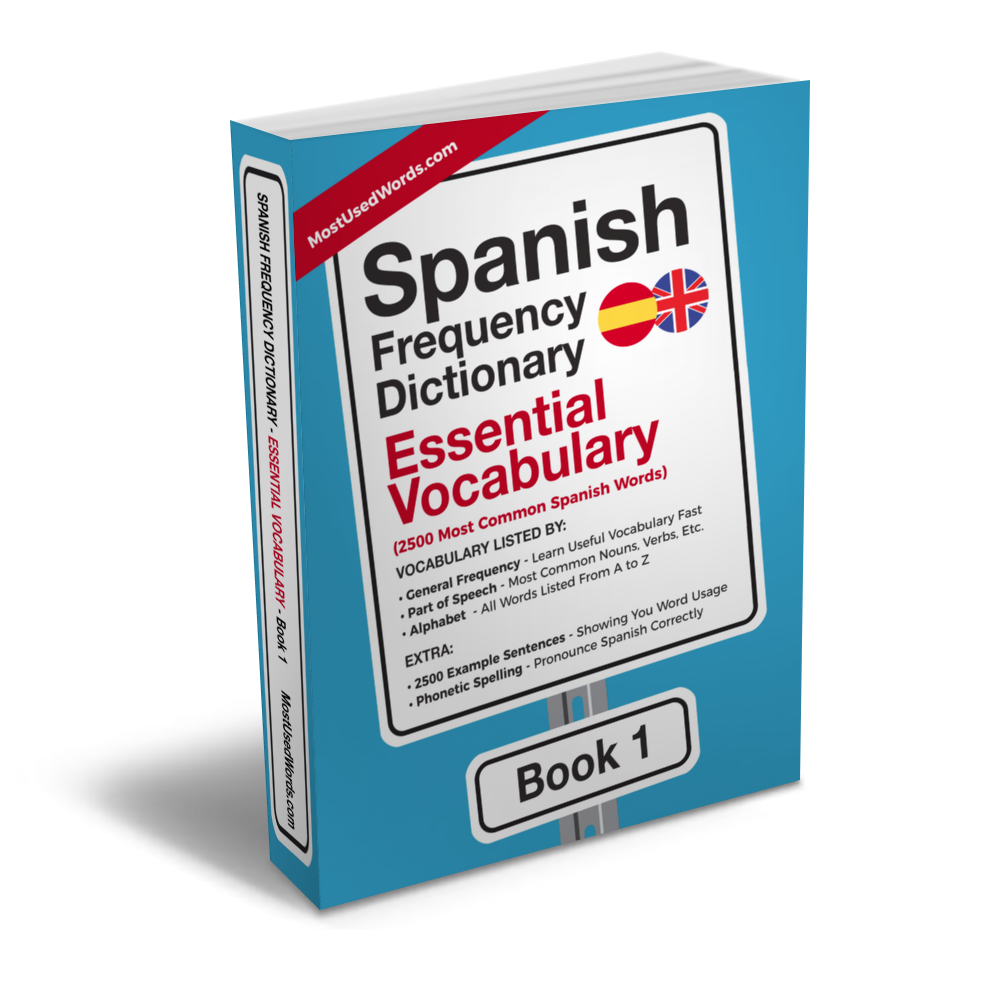
2,500 most common Spanish words with IPA pronunciation & bilingual example sentences
Pronunciation Guide for "Sesenta Y Ocho"
The cardinal form of 68 in Spanish is "sesenta y ocho" (IPA: /seˈsenta i ˈo.tʃo/). Here’s a detailed breakdown to help you pronounce it accurately:
- "se" (IPA: /se/): sounds like the English word "say."
- "sen" (IPA: /ˈsen/): sounds like the English word "send" without the "d" at the end.
- "ta" (IPA: /ta/): sounds like the English word "tah."
- "y" (IPA: /i/): sounds like the English word "ee."
- "o" (IPA: /ˈo/): sounds like the English word "oh."
- "cho" (IPA: /.tʃo/): sounds like the English word "choke" without the "k" sound at the end.
The overall pronunciation would sound like "seh-SEN-tah ee OH-choh."
Cultural Context of Number 68 in Spanish-Speaking Countries
Want to improve your Spanish?
The Spanish Frequency Dictionary series covers the 10,000 most common Spanish words — ranked by how often native speakers actually use them, with IPA pronunciation, English translations, and bilingual example sentences at every level.
Browse all 4 volumes →While not as prominent as some other numbers, 68 holds historical significance in certain Spanish-speaking countries. For instance, it was a pivotal year during the Mexican student movement and protests against authoritarian rule.
In everyday usage, "sesenta y ocho" is commonly used to describe ages or dates but may also appear in literature or media references to significant events from that era.
Common Phrases Using the Number 68
The number 68 can be incorporated into various phrases. Here are a few examples:
- "Nació en sesenta y ocho." (He/She was born in sixty-eight.)
- "Este es mi sexagésimo octavo cumpleaños." (This is my sixtieth-eighth birthday.)
- "El año sesenta y ocho fue un año de cambios importantes." (The year sixty-eight was a year of important changes.)
Pronunciation Guide for "Sexagésimo Octavo"
The ordinal form of 68 in Spanish is "sexagésimo octavo" (IPA: /seɡsaˈxesimo okˈtavo/). Here’s a detailed breakdown:
- "se" (IPA: /se/): Sounds like the English word "say."
- "g" (IPA: /ɡ/): Sounds like the English "g" in "get."
- "sa" (IPA: /saˈ/): Sounds like the English word "saw."
- "xe" (IPA: /ˈxe/): Sounds like the English word "hex."
- "si" (IPA: /si/): Sounds like the English word "see."
- "mo" (IPA: /mo/): Sounds like the English word "moe."
- "o" (IPA: /okˈtavo/): sounds like the English word "octave" without the "v."
Build Your Spanish Vocabulary Systematically
The fastest way to grow your Spanish vocabulary is to start with the words you'll actually encounter every day. The Spanish Frequency Dictionary covers the 2,500 most common Spanish words, each with IPA pronunciation, an English translation, and bilingual example sentences.
Browse the full range of Spanish frequency dictionaries to find the volume that matches your level.