How to Say 50 in Spanish | Cardinal and Ordinal Forms Explai
Learning a new language can be both exciting and challenging. One of the first steps is mastering numbers, which are essential for everyday communication. If you're looking to learn how to say fifty in Spanish or understand its cardinal and ordinal forms, this guide will help you master it easily.
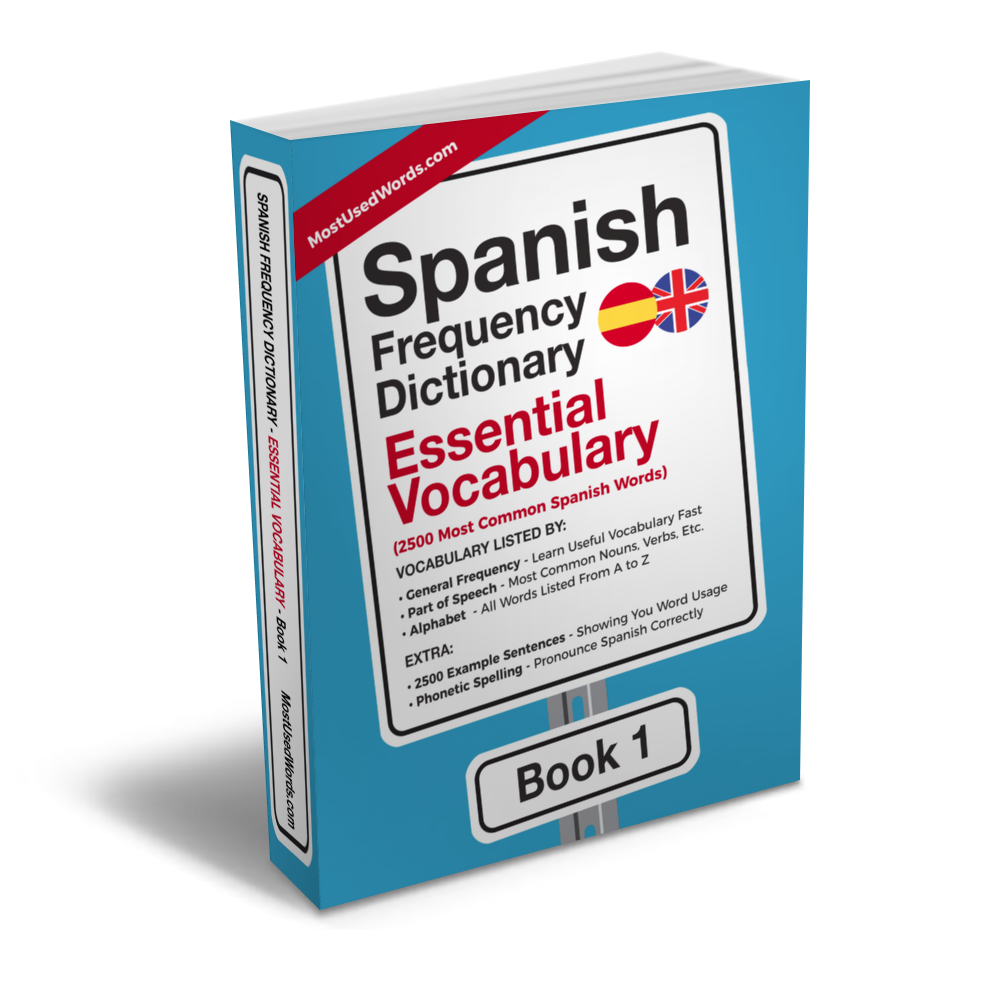
2,500 most common Spanish words with IPA pronunciation & bilingual example sentences
How to Say 50 in Spanish: Cardinal Form
In Spanish, the word for 50 is "cincuenta" (IPA; /θinˈkweɪnta/). This number plays a significant role in various cultural contexts within Spanish-speaking countries. For instance, it often marks important milestones such as anniversaries and age-related celebrations.
The pronunciation of "cincuenta" consists of two syllables: "cin-" and "-cuenta." The stress is on the second syllable, "-cuenta." To pronounce the word correctly:
- "cin" sounds like "seen."
- "cuen" sounds like "kwayn."
- "ta" sounds like "tah."
Understanding how to use "cincuenta" in everyday conversations is crucial. Here are some sample sentences:
- Hay cincuenta manzanas en la nevera.
- Cincuenta es el número que sigue a cuarenta y nueve.
- Necesito cincuenta dólares para comprar ese libro.
(There are fifty apples in the refrigerator.)
(Fifty is the number that follows forty-nine.)
(I need fifty dollars to buy that book.)
Cultural Significance of Number 50 in Spanish-Speaking Countries
Want to improve your Spanish?
The Spanish Frequency Dictionary series covers the 10,000 most common Spanish words — ranked by how often native speakers actually use them, with IPA pronunciation, English translations, and bilingual example sentences at every level.
Browse all 4 volumes →The number 50 holds special significance in many cultures, particularly in relation to anniversaries and age milestones. For example:
- El quincuagésimo aniversario de bodas es conocido como las bodas de oro.
- Mi cumpleaños es el quincuagésimo día del año.
(The fiftieth wedding anniversary is known as the golden anniversary.)
(My birthday is the fiftieth day of the year.)
How to Say 50th in Spanish: Ordinal Form
The ordinal form for fifty, "quincuagésimo" (IPA; /kiŋkwaˈxesimo/), is used when referring to the position or order of something. Here’s how you pronounce it:
- The "qu" sounds like "k."
- "in" sounds like "ee" in "see."
- "cu" sounds like "koo."
- "a" sounds like "ah."
- "gé" sounds like "heh."
- "si" sounds like "see."
- "mo" sounds like "moh."
Rules for Forming Ordinal Numbers in Spanish
In Spanish, ordinal numbers are formed by adding "-avo" or "-ésimo" to the cardinal number. For example:
- Cincuenta (cardinal) → Quincuagésimo (ordinal)
Additional Sample Sentences with Different Contexts and Tenses
To further enhance your understanding, here are more sample sentences using different verb tenses:
- Habrá cincuenta personas en la reunión.
- Estaré listo a las cinco de la tarde, que es el quincuagésimo minuto después del cuarto hora.
- Han pasado cincuenta años desde que nos conocimos.
(There will be fifty people at the meeting.)
(I'll be ready at five o'clock, which is the fiftieth minute after the fourth hour.)
(Fifty years have passed since we met.)
Bulleted List Summary
- The word for fifty in Spanish is "cincuenta."
- To pronounce the ordinal form correctly, remember to stress the second syllable and follow the pronunciation guide provided.
- Incorporate these numbers into your daily conversations by using them in various contexts and tenses.
Fast track your vocabulary with the 10,000 most common Spanish words!
Build Your Spanish Vocabulary Systematically
The fastest way to grow your Spanish vocabulary is to start with the words you'll actually encounter every day. The Spanish Frequency Dictionary covers the 2,500 most common Spanish words, each with IPA pronunciation, an English translation, and bilingual example sentences.
Browse the full range of Spanish frequency dictionaries to find the volume that matches your level.