

How to Conjugate Extrañar in Spanish - 2026 Update
Updated for 2026, "Extrañar" is a versatile Spanish verb used to express feelings of missing someone or something. Understanding its conjugations across different moods and tenses is crucial for effective communication in Spanish.
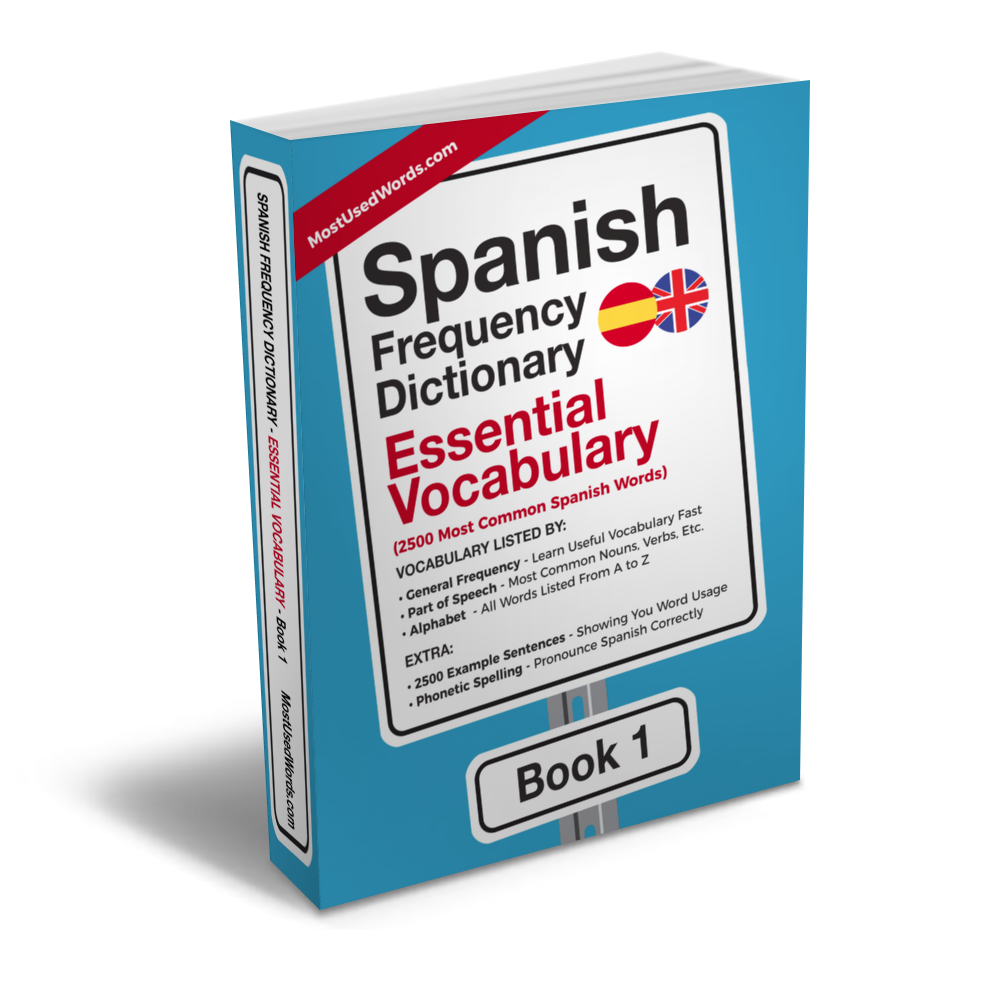
2,500 most common Spanish words with IPA pronunciation & bilingual example sentences
Forms of Extrañar in Spanish
In Spanish, verbs like "extrañar" play a fundamental role in expressing actions, states, and conditions. This verb can be used to convey the feeling of missing someone or something, similar to the English phrase "to miss." The conjugation of "extrañar" varies based on the subject, mood, and tense.
Indicative Mood: Simple Tenses
Want to improve your Spanish?
The Spanish Frequency Dictionary series covers the 10,000 most common Spanish words — ranked by how often native speakers actually use them, with IPA pronunciation, English translations, and bilingual example sentences at every level.
Browse the full series →The indicative mood is used for statements that are considered factual. Here are the conjugations in simple tenses:
- (Yo) extraño
- (Tú) extrañas
- (Él/Ella/Usted) extraña
- (Nosotros/Nosotras) extrañamos
- (Vosotros/Vosotras) extrañáis
- (Ellos/Ellas/Ustedes) extrañan
Imperfect Past
- (Yo) extrañaba
- (Tú) extrañabas
- (Él/Ella/Usted) extrañaba
- (Nosotros/Nosotras) extrañábamos
- (Vosotros/Vosotras) extrañabais
- (Ellos/Ellas/Ustedes) extrañaban
Simple Past (Preterite)
- (Yo) extrañé
- (Tú) extrañaste
- (Él/Ella/Usted) extrañó
- (Nosotros/Nosotras) extrañamos
- (Vosotros/Vosotras) extrañasteis
- (Ellos/Ellas/Ustedes) extrañaron
Future
- (Yo) extrañaré
- (Tú) extrañarás
- (Él/Ella/Usted) extrañará
- (Nosotros/Nosotras) extrañaremos
- (Vosotros/Vosotras) extrañaréis
- (Ellos/Ellas/Ustedes) extrañarán
Indicative Mood: Perfect Tenses
The perfect tenses in Spanish are used to describe actions that have been completed at some point in the past or present.
Present Perfect
- (Yo) he extrañado
- (Tú) has extrañado
- (Él/Ella/Usted) ha extrañado
- (Nosotros/Nosotras) hemos extrañado
- (Vosotros/Vosotras) habéis extrañado
- (Ellos/Ellas/Ustedes) han extrañado
Past Perfect (Pluperfect)
- (Yo) había extrañado
- (Tú) habías extrañado
- (Él/Ella/Usted) había extrañado
- (Nosotros/Nosotras) habíamos extrañado
- (Vosotros/Vosotras) habíais extrañado
- (Ellos/Ellas/Ustedes) habían extrañado
Future Perfect
- (Yo) habré extrañado
- (Tú) habrás extrañado
- (Él/Ella/Usted) habrá extrañado
- (Nosotros/Nosotras) habremos extrañado
- (Vosotros/Vosotras) habréis extrañado
- (Ellos/Ellas/Ustedes) habrán extrañado
Indicative Mood: Progressive Tenses
The progressive tenses are used to describe actions that are ongoing or in progress.
Present Progressive
- (Yo) estoy extrañando
- (Tú) estás extrañando
- (Él/Ella/Usted) está extrañando
- (Nosotros/Nosotras) estamos extrañando
- (Vosotros/Vosotras) estáis extrañando
- (Ellos/Ellas/Ustedes) están extrañando
Past Progressive (Imperfect)
- (Yo) estaba extrañando
- (Tú) estabas extrañando
- (Él/Ella/Usted) estaba extrañando
- (Nosotros/Nosotras) estábamos extrañando
- (Vosotros/Vosotras) estabais extrañando
- (Ellos/Ellas/Ustedes) estaban extrañando
Subjunctive Mood: Simple Tenses
The subjunctive mood is used to express doubt, wishes, or hypothetical situations. Here are the conjugations for simple tenses:
Present Subjunctive
- (Yo) extrañe
- (Tú) extrañes
- (Él/Ella/Usted) extrañe
- (Nosotros/Nosotras) extrañemos
- (Vosotros/Vosotras) extrañéis
- (Ellos/Ellas/Ustedes) extrañen
Imperfect Subjunctive
- (Yo) extrañara / extrañase
- (Tú) extrañaras / extrañases
- (Él/Ella/Usted) extrañara / extrañase
- (Nosotros/Nosotras) extrañáramos / extrañásemos
- (Vosotros/Vosotras) extrañarais / extrañaseis
- (Ellos/Ellas/Ustedes) extrañaran / extrañasen
Subjunctive Mood: Perfect Tenses
The perfect tenses in the subjunctive mood are used to describe actions that have been completed at some point before another action.
Present Perfect Subjunctive
- (Yo) haya extrañado
- (Tú) hayas extrañado
- (Él/Ella/Usted) haya extrañado
- (Nosotros/Nosotras) hayamos extrañado
- (Vosotros/Vosotras) hayáis extrañado
- (Ellos/Ellas/Ustedes) hayan extrañado
Past Perfect Subjunctive
- (Yo) hubiera / hubiese extrañado
- (Tú) hubieras / hubieses extrañado
- (Él/Ella/Usted) hubiera / hubiese extrañado
- (Nosotros/Nosotras) hubiéramos / hubiésemos extrañado
- (Vosotros/Vosotras) hubierais / hubieseis extrañado
- (Ellos/Ellas/Ustedes) hubieran / hubiesen extrañado
Uses of Extrañar in Different Contexts
"Extrañar" can be used to express a range of feelings, from missing someone or something to feeling nostalgic about past events. It is often used when talking about people who are far away or no longer present.
Comparison with Similar Verbs Like Echar de Menos
"Echar de menos" is another verb that can be used similarly to "extrañar." However, while both verbs express the feeling of missing someone or something, "echar de menos" often carries a stronger sense of longing and yearning.
Pronunciation Guide for Extrañar
The pronunciation of "extrañar" is /ekstrasˈnar/. The stress falls on the second-to-last syllable, which in this case is "-tra-". Practice saying it out loud to improve your Spanish fluency.

Frequently Asked Questions
What does 'extrañar' mean in English?
"Extrañar" means "to miss" or "to feel nostalgic about" someone or something.
How do you use 'echar de menos' compared to 'extrañar'?
"Echar de menos" is more intense and often used when there's a strong feeling of longing, whereas "extrañar" can be used in a broader range of contexts.
Can 'extrañar' be used for objects as well as people?
Yes, you can use "extrañar" to express missing an object or place just like you would with a person.
Build Your Spanish Vocabulary Systematically
The fastest way to grow your Spanish vocabulary is to start with the words you'll actually encounter every day. The Spanish Frequency Dictionary covers the 2,500 most common Spanish words, each with IPA pronunciation, an English translation, and bilingual example sentences.
Browse the full range of Spanish frequency dictionaries to find the volume that matches your level.