

Spanish Escalar Conjugation Guide 2026
Updated for 2026, "escalar" is a versatile Spanish verb that means to climb or scale. Whether you're learning Spanish as a beginner or looking to expand your conjugation skills, mastering the conjugations of "escalar" is essential.
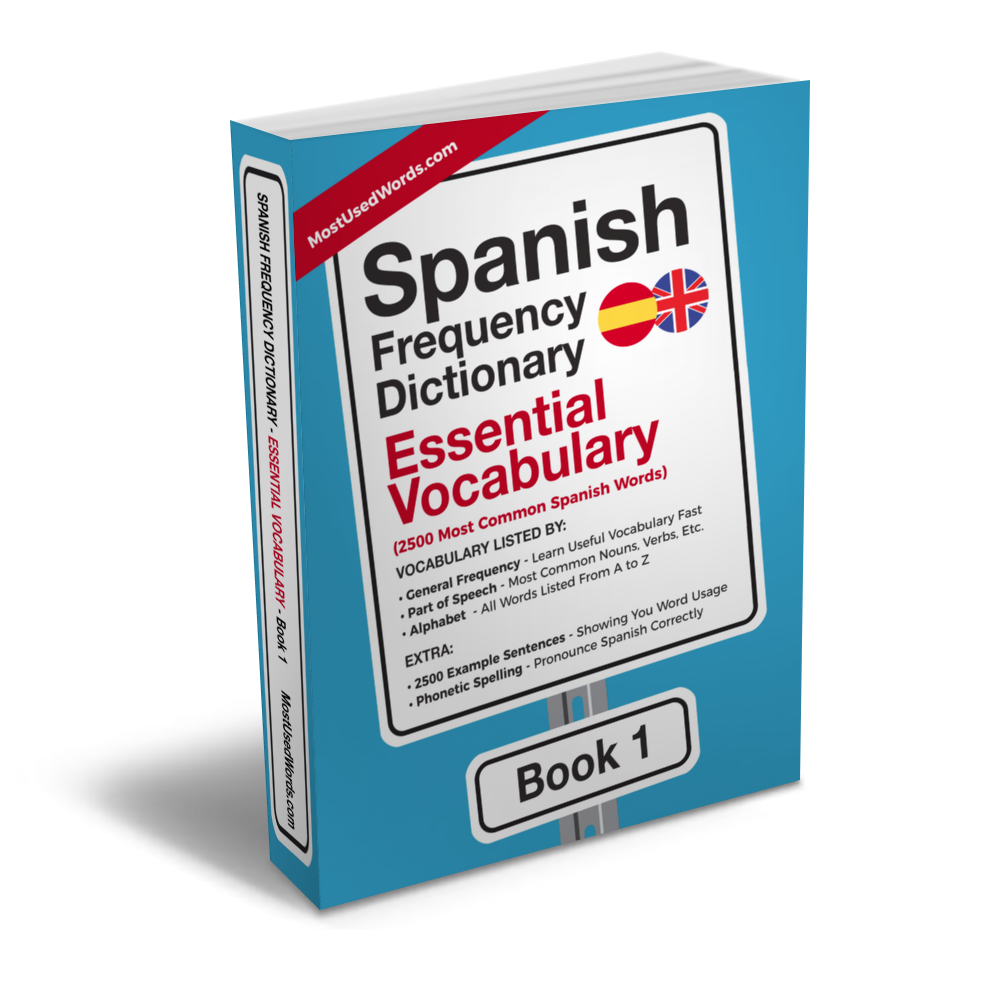
2,500 most common Spanish words with IPA pronunciation & bilingual example sentences
Forms of "Escalar" in Spanish
In Spanish, verbs play a fundamental role in expressing actions, states, and conditions. Verbs are highly versatile and can take on different forms based on the subject, mood, and tense. The moods of conjugation in Spanish include the indicative, subjunctive, and imperative. When it comes to tenses in Spanish, they indicate the time and duration of an action. The tenses include the present, preterite, imperfect, future, imperative, and conditional.
Indicative Mood: Simple Tenses
Want to improve your Spanish?
The Spanish Frequency Dictionary series covers the 10,000 most common Spanish words — ranked by how often native speakers actually use them, with IPA pronunciation, English translations, and bilingual example sentences at every level.
Browse the full series →Present
- (Yo) escalo
- (Tú) escalas
- (Él/Ella/Usted) escala
- (Nosotros/Nosotras) escalamos
- (Vosotros/Vosotras) escaláis
- (Ellos/Ellas/Ustedes) escalan
Imperfect Past
- (Yo) escalaba
- (Tú) escalabas
- (Él/Ella/Usted) escalaba
- (Nosotros/Nosotras) escalábamos
- (Vosotros/Vosotras) escalabais
- (Ellos/Ellas/Ustedes) escalaban
Simple Past (Pretérito Perfecto Simple)
- (Yo) escalé
- (Tú) escalaste
- (Él/Ella/Usted) escaló
- (Nosotros/Nosotras) escalamos
- (Vosotros/Vosotras) escalasteis
- (Ellos/Ellas/Ustedes) escalaron
Future
- (Yo) escalaré
- (Tú) escalarás
- (Él/Ella/Usted) escalará
- (Nosotros/Nosotras) escalaremos
- (Vosotros/Vosotras) escalaréis
- (Ellos/Ellas/Ustedes) escalarán
Indicative Mood: Perfect Tenses
Present Perfect (Pretérito Perfecto Compuesto)
- (Yo) he escalado
- (Tú) has escalado
- (Él/Ella/Usted) ha escalado
- (Nosotros/Nosotras) hemos escalado
- (Vosotros/Vosotras) habéis escalado
- (Ellos/Ellas/Ustedes) han escalado
Past Perfect (Pluscuamperfecto)
- (Yo) había escalado
- (Tú) habías escalado
- (Él/Ella/Usted) había escalado
- (Nosotros/Nosotras) habíamos escalado
- (Vosotros/Vosotras) habíais escalado
- (Ellos/Ellas/Ustedes) habían escalado
Future Perfect (Futuro Compuesto)
- (Yo) habré escalado
- (Tú) habrás escalado
- (Él/Ella/Usted) habrá escalado
- (Nosotros/Nosotras) habremos escalado
- (Vosotros/Vosotras) habréis escalado
- (Ellos/Ellas/Ustedes) habrán escalado
Indicative Mood: Progressive Tenses
Present Progressive (Pretérito Perfecto Progresivo)
- (Yo) estoy escalando
- (Tú) estás escalando
- (Él/Ella/Usted) está escalando
- (Nosotros/Nosotras) estamos escalando
- (Vosotros/Vosotras) estáis escalando
- (Ellos/Ellas/Ustedes) están escalando
Past Progressive (Pretérito Pluscuamperfecto Progresivo)
- (Yo) estaba escalando
- (Tú) estabas escalando
- (Él/Ella/Usted) estaba escalando
- (Nosotros/Nosotras) estábamos escalando
- (Vosotros/Vosotras) estabais escalando
- (Ellos/Ellas/Ustedes) estaban escalando
Subjunctive Mood: Simple Tenses and Perfect Tenses
Present Subjunctive (Pretérito Imperfecto de Subjuntivo)
- (Yo) escale
- (Tú) escales
- (Él/Ella/Usted) escale
- (Nosotros/Nosotras) escalemos
- (Vosotros/Vosotras) escaléis
- (Ellos/Ellas/Ustedes) escalen
Imperfect Subjunctive (Pretérito Pluscuamperfecto de Subjuntivo)
- (Yo) escalara
- (Tú) escalaras
- (Él/Ella/Usted) escalara
- (Nosotros/Nosotras) escaláramos
- (Vosotros/Vosotras) escalarais
- (Ellos/Ellas/Ustedes) escalaran
Present Perfect Subjunctive (Pretérito Pluscuamperfecto de Subjuntivo)
- (Yo) haya escalado
- (Tú) hayas escalado
- (Él/Ella/Usted) haya escalado
- (Nosotros/Nosotras) hayamos escalado
- (Vosotros/Vosotras) hayáis escalado
- (Ellos/Ellas/Ustedes) hayan escalado
Past Perfect Subjunctive (Pretérito Anterior de Subjuntivo)
- (Yo) hubiera escalado
- (Tú) hubieras escalado
- (Él/Ella/Usted) hubiera escalado
- (Nosotros/Nosotras) hubiéramos escalado
- (Vosotros/Vosotras) hubierais escalado
- (Ellos/Ellas/Ustedes) hubieran escalado
Imperative Mood: Affirmative and Negative Commands
Affirmative Imperative (Pretérito Imperativo)
- (Tú) escala
- (Él/Ella/Usted) escale
- (Nosotros/Nosotras) escalemos
- (Vosotros/Vosotras) escalad
- (Ellos/Ellas/Ustedes) escalen
Negative Imperative (Pretérito Imperativo)
- (Tú) no escales
- (Él/Ella/Usted) no escale
- (Nosotros/Nosotras) no escalemos
- (Vosotros/Vosotras) no escaléis
- (Ellos/Ellas/Ustedes) no escalen

Frequently Asked Questions
What is the difference between 'escalar' and 'subir'?
'Escalar' specifically refers to climbing or scaling something, while 'subir' can mean to go up or ascend in a more general sense. For example, "Escalé la montaña" (I climbed the mountain) vs. "Subí las escaleras" (I went up the stairs).
How does 'escalar' compare with 'ascender'?
'Escalar' and 'ascender' both involve going upwards, but 'ascender' is more general and can refer to rising in status or position as well. For example, "Escalé la montaña" (I climbed the mountain) vs. "Ascendí en mi carrera profesional" (I ascended in my professional career).
Can you provide examples of 'Escalar' used in sentences?
Sure! Here are some examples: "Escalé la montaña sin ayuda de nadie." (I climbed the mountain without anyone's help.)
Build Your Spanish Vocabulary Systematically
The fastest way to grow your Spanish vocabulary is to start with the words you'll actually encounter every day. The Spanish Frequency Dictionary covers the 2,500 most common Spanish words, each with IPA pronunciation, an English translation, and bilingual example sentences.
Browse the full range of Spanish frequency dictionaries to find the volume that matches your level.