

What is the Meaning of Jueves in Spanish? - MostUsedWords.co
As of 2026, the term "jueves" is a fundamental part of everyday Spanish language, used to denote Thursday, the fifth day of the week.
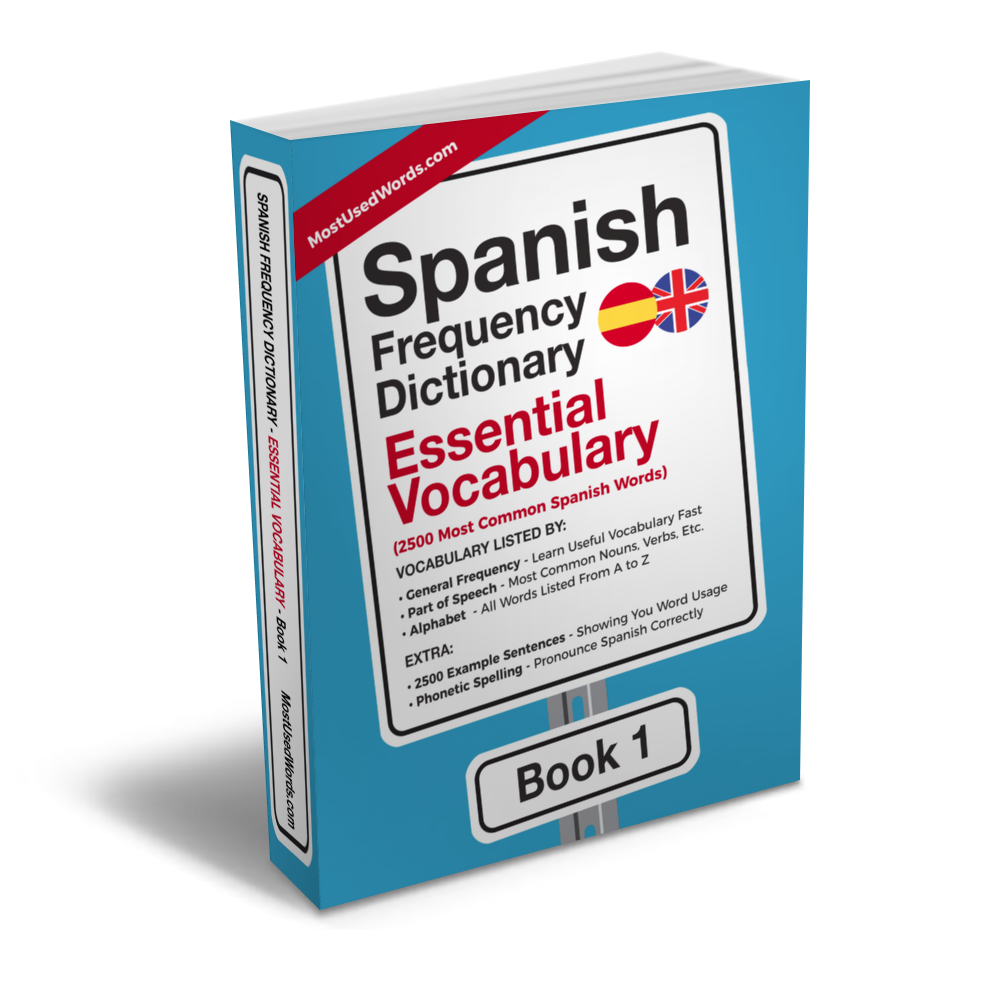
2,500 most common Spanish words with IPA pronunciation & bilingual example sentences
What is the Meaning of "Jueves" in Spanish?
In Spanish, "jueves" means Thursday. Pronounced as "hwé-bes" (IPA: /ˈxweβes/), this term is a crucial part of daily conversations and calendars across the Spanish-speaking world.
Usage of "Jueves" in Spanish
Want to improve your Spanish?
The Spanish Frequency Dictionary series covers the 10,000 most common Spanish words — ranked by how often native speakers actually use them, with IPA pronunciation, English translations, and bilingual example sentences at every level.
Browse the full series →Beyond its basic meaning, "jueves" holds cultural significance:
- Religious Observance: In many countries, Thursday is associated with religious observances. For instance, Maundy Thursday (Jueves Santo) commemorates the Last Supper.
- Superstitions: Some regions have superstitions linked to specific activities on Thursdays, such as weddings or business ventures.
- Social Gatherings: Thursdays are often chosen for social gatherings and events due to their position in the week.
Historical Context of Jueves in Spanish-Speaking Cultures
The term "jueves" has deep roots in Spanish history, with its origins tracing back to Latin. Over centuries, it has evolved and adapted within various cultures, reflecting the rich tapestry of Spanish-speaking societies.
Comparison with Other Days of the Week
Understanding "jueves" requires comparing it with other days:
- Lunes (Monday): The start of a new week, often associated with work and school.
- Martes (Tuesday): Mid-week day, sometimes seen as a transition period.
- Miércoles (Wednesday): Often considered the midpoint of the working week.
- Jueves (Thursday): A day that marks progress towards the weekend and is often associated with social activities.
- Viernes (Friday): The last workday before the weekend, typically seen as a transition to leisure time.
- Sábado (Saturday): Usually a day off or part of the weekend in most Spanish-speaking countries.
- Domingo (Sunday): Traditionally a day for family and religious observances.
Regional Variations
Pronunciation can vary across regions:
- Mexico: Pronounced more relaxed, closer to "hwé-ves" (IPA: /ˈxweβes/) or even "wé-ves."
- Spain: Generally pronounced crisply with a distinct 'h' sound.
- Caribbean: The 'j' might be softer, closer to "wé-ves."
- Argentina: Pronounced as "shué-ves" (IPA: /ˈʃweβes/).
- Andalusia: The 'j' sound can be a soft 'h.'
Common Phrases Using "Jueves"
Here are some common phrases that include the word "jueves":
- "¿Qué día es hoy? Hoy es jueves." (What day is today? Today is Thursday.)
- "El concierto será el próximo jueves." (The concert will be next Thursday.)
- "Nos encontraremos el jueves por la mañana." (We will meet on Thursday morning.)
- "El jueves es mi día favorito de la semana." (Thursday is my favorite day of the week.)
- "El jueves que viene tendremos una reunión importante." (Next Thursday we will have an important meeting.)
Frequently Asked Questions
What does "jueves" mean?
"Jueves" means Thursday in Spanish.
How do you pronounce "jueves"?
It is pronounced as "hwé-bes," with variations depending on the region.
Is there a religious significance to jueves?
Yes, in many cultures, Thursday (Jueves Santo) commemorates significant religious events like Maundy Thursday.
What are some common superstitions about jueves?
In some regions, Thursdays are considered good days for weddings or business ventures due to cultural beliefs.

Build Your Spanish Vocabulary Systematically
The fastest way to grow your Spanish vocabulary is to start with the words you'll actually encounter every day. The Spanish Frequency Dictionary covers the 2,500 most common Spanish words, each with IPA pronunciation, an English translation, and bilingual example sentences.
Browse the full range of Spanish frequency dictionaries to find the volume that matches your level.