How to Say Stop in Spanish | MostUsedWords.com
As of 2026, learning how to say "stop" in Spanish is essential for travelers and language learners alike. In this article, we'll explore the nuances of translating "stop" into Spanish, including regional variations and cultural contexts.
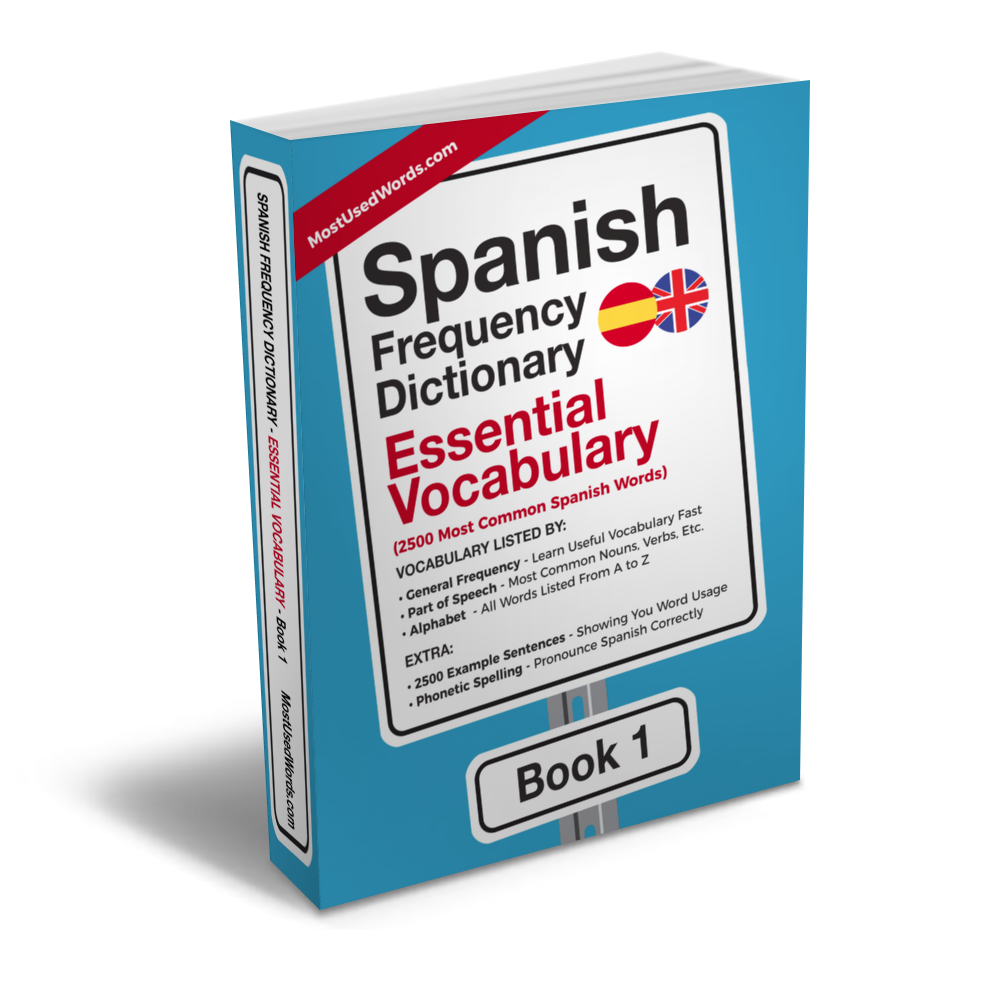
2,500 most common Spanish words with IPA pronunciation & bilingual example sentences
How to Say Stop in Spanish
The most common translation for "stop" in Spanish is "alto." However, depending on the context, other verbs like "detener," "parar," or even "cesar" are also used. Understanding these differences can help you communicate more effectively.
Differences Between 'Alto' and Other Verbs
Want to improve your Spanish?
The Spanish Frequency Dictionary series covers the 10,000 most common Spanish words — ranked by how often native speakers actually use them, with IPA pronunciation, English translations, and bilingual example sentences at every level.
Browse all 4 volumes →In Spanish, "alto" is often associated with traffic signs and commands to cease an action immediately. For instance, a police officer might shout "¡Alto!" when stopping someone for questioning. However, in more conversational settings or specific contexts, other verbs are preferred:
- Stop (imperative): "Parar" o "Detener".
- Stop (sustantivo): "Parada" o "Señal de alto".
- Stop (verbo): "Cesar" o "Detener".
- Stop (verbo): "Acabar".
- En países como México y Colombia, se usan frases coloquiales como "No sigas," que significa "don't continue."
- En España, es común decir "¡Para ya!" para indicar una acción inmediata.
- "Stop talking" se puede traducir como "¡Cállate!" (colloquial) o "Deja de hablar."
- "Stop playing around" se puede traducir como "¡Basta de bromas!" or "Deja de jugar."
Ejemplo: "Stop the car" se puede traducir como "Para el carro" o "Detén el coche".
Ejemplo: "The bus stop" se puede traducir como "La parada de autobús."
Ejemplo: "The rain stopped" se puede traducir como "La lluvia cesó" o "La lluvia se detuvo."
Ejemplo: "The concert stopped at midnight" se puede traducir como "El concierto acabó a medianoche."
Cultural and Regional Variations of "Stop" in Spanish
In addition to the standard translations, there are regional differences in how "stop" is used. For example:
Significance of Cultural Context
The cultural context plays a significant role in how and when you use the word "stop." For instance, in Latin American countries, there might be more informal ways to convey this message compared to Spain. Understanding these nuances can enhance your communication skills significantly.
Additional Examples of Phrases with Stop
To further illustrate the usage of "stop" in Spanish, here are some additional examples:
Build Your Spanish Vocabulary Systematically
The fastest way to grow your Spanish vocabulary is to start with the words you'll actually encounter every day. The Spanish Frequency Dictionary covers the 2,500 most common Spanish words, each with IPA pronunciation, an English translation, and bilingual example sentences.
Browse the full range of Spanish frequency dictionaries to find the volume that matches your level.