How to Say Why in Spanish | MostUsedWords.com
Updated for 2026, the word "why" in Spanish is "por qué."
The phrase "por qué" (IPA: /pɔɾ ˈke/) consists of two words: "por," meaning "for," and "qué," meaning "what." Together, they form a question that asks for the reason or cause behind something. This article will explore how to use "por qué" effectively in various contexts.
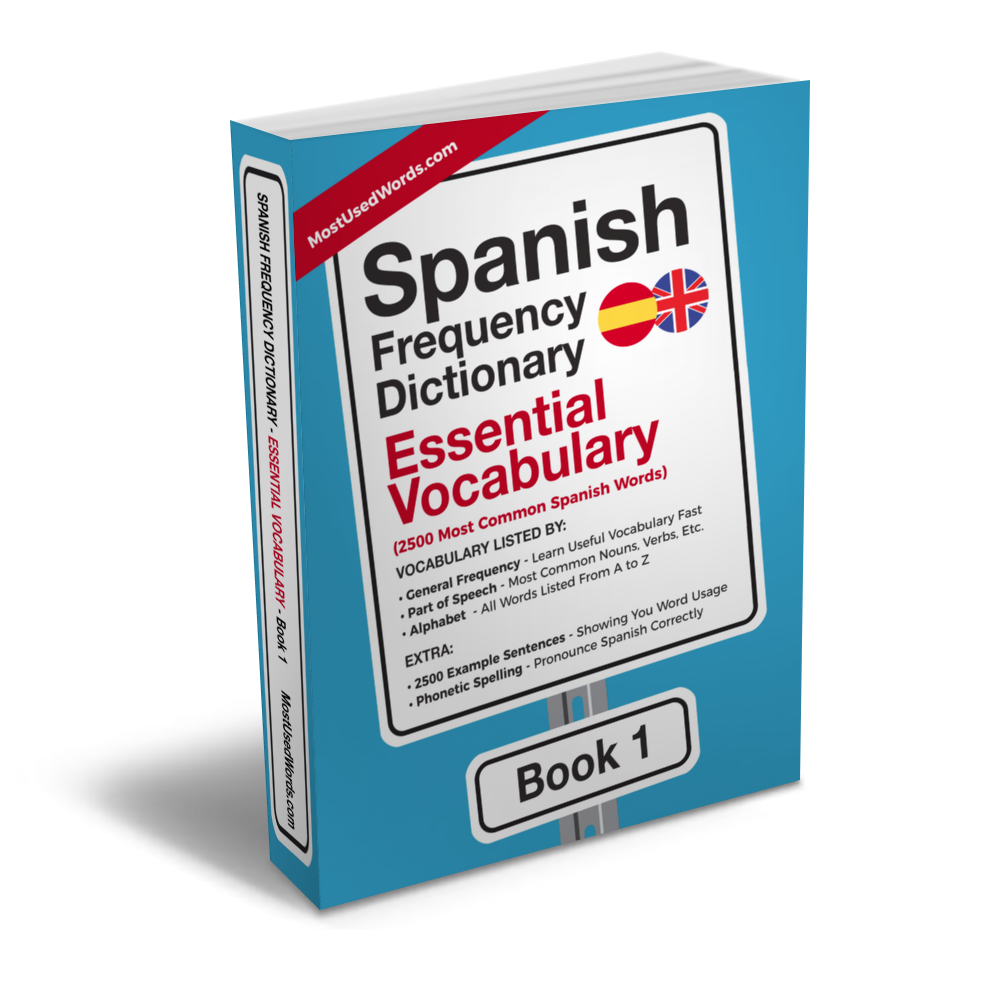
2,500 most common Spanish words with IPA pronunciation & bilingual example sentences
Meaning and Usage of 'Por Qué'
In Spanish, "por qué" is used to ask questions about reasons, express surprise, or convey disappointment:
- Asking Questions: Use "¿Por qué viniste tarde?" (Why did you come late?)
- Expressing Surprise: Say "¿Por qué?" when someone tells you they are quitting their job.
- Expressing Disappointment: Ask "¿Por qué no llegó el paquete?" if your package didn't arrive on time.
Pronunciation Tips for 'Por Qué'
Want to improve your Spanish?
The Spanish Frequency Dictionary series covers the 10,000 most common Spanish words — ranked by how often native speakers actually use them, with IPA pronunciation, English translations, and bilingual example sentences at every level.
Browse all 4 volumes →To pronounce "por qué" correctly, stress the second syllable of both words: /pɔɾ ˈke/. Listen to audio examples below:
Usage in Different Tenses and Contexts
"Por qué" can be used in various tenses and contexts, including formal and informal settings:
- Formal Settings: "¿Por qué no se presentó en la conferencia?" (Why did he not attend the conference?)
- Informal Conversations: Use it directly without additional context.
Cultural Context When Asking 'Por Qué'
In Spanish-speaking cultures, asking "por qué" can sometimes be seen as confrontational or intrusive. It's important to use appropriate tone and context when inquiring about reasons.
Common Mistakes When Using 'Por Qué'
- Mispronouncing the phrase: Ensure you stress the second syllable of both words.
- Omitting necessary context: Provide additional information for clarity, especially in formal settings.
Regional Differences in Usage of 'Por Qué'
In Spain, "¿Por qué razón?" is common instead of just "por qué." In Latin America, you might hear "¿Por qué motivo?" or "¿Por qué causa?" Additionally, in Mexico, it's common to say "¿Para qué?" when asking why.
Sample Sentences for Various Contexts
Here are more sample sentences using "por qué" in different contexts:
- Expressing Surprise: "¡Por qué no me dijiste antes!" (Why didn't you tell me before!)
- Asking for Reasons: "¿Por qué estás triste hoy?" (Why are you sad today?)
- Conveying Disappointment: "¿Por qué no funcionó el plan?" (Why didn't the plan work?)
Build Your Spanish Vocabulary Systematically
The fastest way to grow your Spanish vocabulary is to start with the words you'll actually encounter every day. The Spanish Frequency Dictionary covers the 2,500 most common Spanish words, each with IPA pronunciation, an English translation, and bilingual example sentences.
Browse the full range of Spanish frequency dictionaries to find the volume that matches your level.