How to Say Week in Spanish | MostUsedWords.com
As of 2026, learning how to say "week" in Spanish is a fundamental step for expanding your vocabulary. In Spanish, the word for "week" is semana (IPA: /seˈmana/). This feminine noun is widely used across different Spanish-speaking regions and contexts.
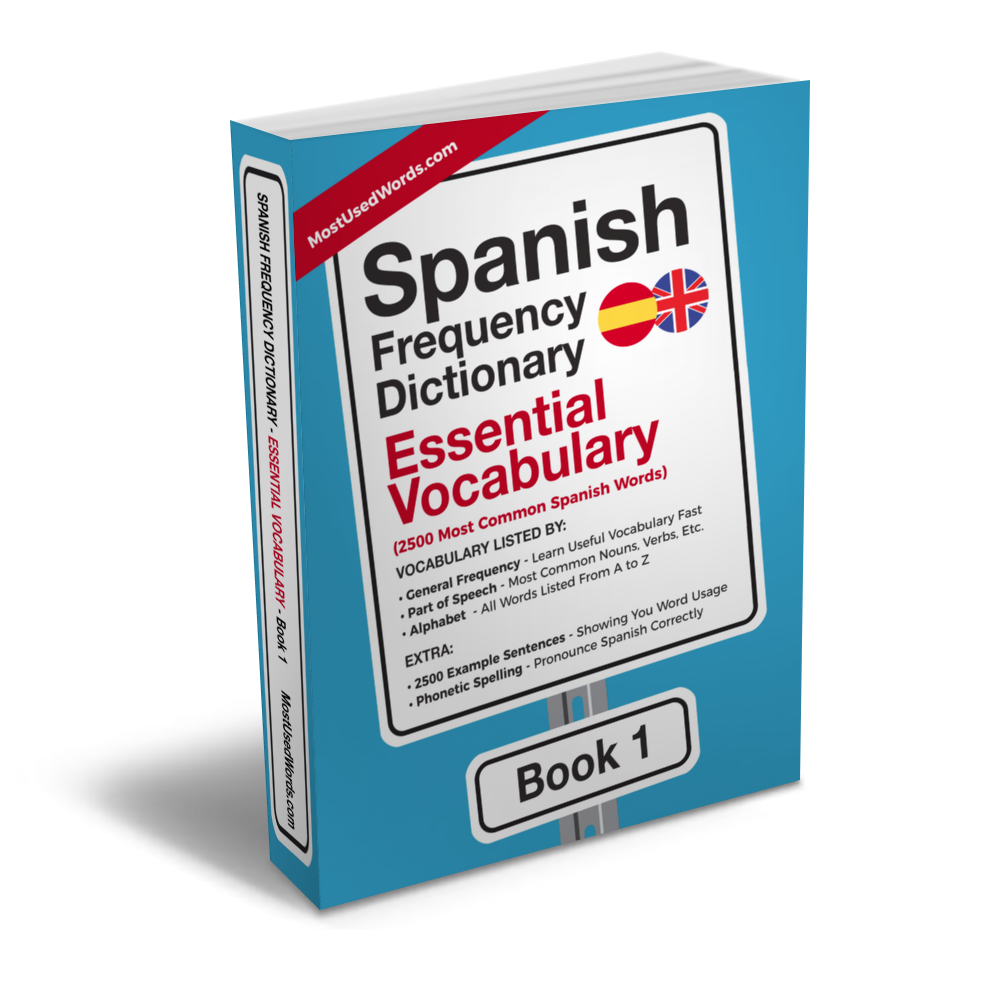
2,500 most common Spanish words with IPA pronunciation & bilingual example sentences
Different Ways to Use 'Week' in Spanish
The term "semana" translates directly as "week," referring to a period of seven days, typically starting from Monday and ending on Sunday. It's commonly used in both formal and informal settings for scheduling appointments, making plans, and organizing events.
Regional Variations and Usage
Want to improve your Spanish?
The Spanish Frequency Dictionary series covers the 10,000 most common Spanish words — ranked by how often native speakers actually use them, with IPA pronunciation, English translations, and bilingual example sentences at every level.
Browse all 4 volumes →In addition to the standard term "semana," different Spanish-speaking countries may have their own regional variations or colloquialisms when referring to a week. For instance, in some regions, you might hear terms like "la semana que viene" (next week) or "este fin de semana" (this weekend).
Pronunciation Tips for 'semana'
To pronounce "semana" correctly, stress the second syllable: /seˈmana/. This is crucial for clear communication in Spanish-speaking environments.
How to Say Week Days in Spanish and Other Time Periods
In addition to learning how to say "week," it's beneficial to know the days of the week, which are:
- Lunes (Monday)
- Martes (Tuesday)
- Miércoles (Wednesday)
- Jueves (Thursday)
- Viernes (Friday)
- Sábado (Saturday)
- Domingo (Sunday)
Understanding these terms will help you navigate conversations about schedules and events.
Sample Sentences Using 'semana'
- ¿Qué día de la semana es hoy?
(What day of the week is today?)
- Vamos a viajar la próxima semana.
(We're going to travel next week.)
- El fin de semana pasado fui a la playa.
(Last weekend, I went to the beach.)
- Cada semana, voy al gimnasio tres veces.
(Every week, I go to the gym three times.)
- No puedo esperar a las vacaciones de esta semana.
(I can't wait for this week's vacation.)
Build Your Spanish Vocabulary Systematically
The fastest way to grow your Spanish vocabulary is to start with the words you'll actually encounter every day. The Spanish Frequency Dictionary covers the 2,500 most common Spanish words, each with IPA pronunciation, an English translation, and bilingual example sentences.
Browse the full range of Spanish frequency dictionaries to find the volume that matches your level.