How to Say Tú Commands in Spanish | MostUsedWords.com
As of 2026, understanding "tú commands" is essential for anyone learning Spanish. In this article, we will explore the concept of tú commands, which are informal ways to give instructions or orders in Spanish. These commands are a fundamental part of Spanish grammar and are used frequently in everyday conversations.

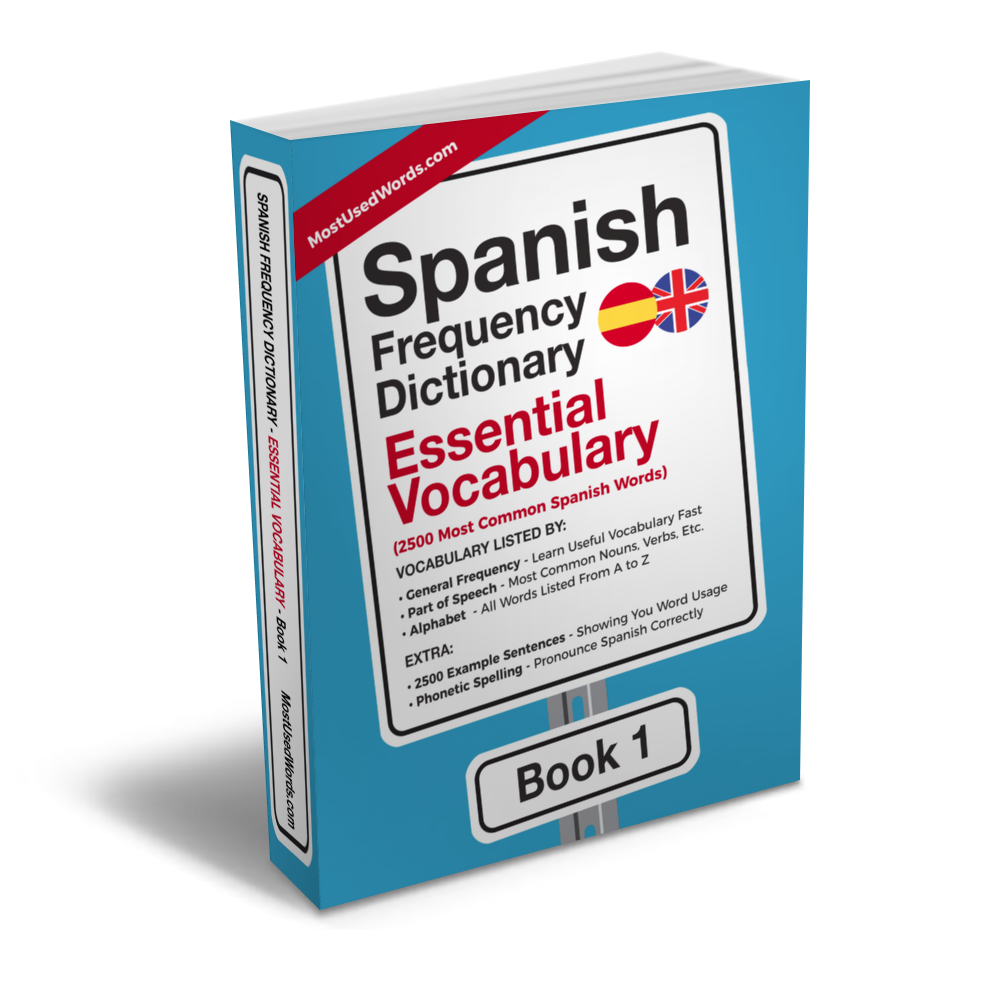
2,500 most common Spanish words with IPA pronunciation & bilingual example sentences
Understanding Tú Commands in Spanish
In Spanish, tú commands, also known as the imperative mood or mandatos afirmativos informales (IPA: /mänˈda.tos a.fiɾ.maˈti.βos in.foɾˈma.les/), are used to give informal instructions or orders to someone you address as "tú." These commands are commonly used among friends, family members, and peers.
When using tú commands, it is important to understand the structure behind them. They typically involve taking the third-person singular present indicative form of a verb and removing the pronoun "tú." For example, from the verb "hablar" (to speak), you get "habla," which means "speak."
Irregular Tú Commands
Want to improve your Spanish?
The Spanish Frequency Dictionary series covers the 10,000 most common Spanish words — ranked by how often native speakers actually use them, with IPA pronunciation, English translations, and bilingual example sentences at every level.
Browse all 4 volumes →Some verbs have irregular forms in tú commands. These include common verbs like "ir" and "venir." For instance, the command form of "ir" is "ve," not "ira," and for "venir," it's "ven," not "venga."
Tú Commands Across Spanish-Speaking Countries
The usage of tú commands can vary across different Spanish-speaking countries. While the basic forms remain consistent, regional variations in pronunciation and colloquial expressions might differ.
Sample Sentences for Practice
To better understand how to use tú commands, here are some sample sentences:
- ¡Come tu comida!
(Eat your food!)
- ¡Escucha la música!
(Listen to the music!)
- ¡Limpia tu habitación!
(Clean your room!)
- ¡Estudia para el examen!
(Study for the exam!)
- ¡Apaga la luz antes de salir!
(Turn off the light before leaving!)
Common Phrases Using Tú Commands
Here are some common phrases that use tú commands:
- ¡Date prisa!
(Hurry up!)
- ¡No te preocupes!
(Don't worry!)
- ¡Dame un beso!
(Kiss me!)
Conclusion
Mastery of tú commands is crucial for effective communication in Spanish. By practicing these commands, you can enhance your conversational skills and sound more natural when speaking with native speakers.
Build Your Spanish Vocabulary Systematically
The fastest way to grow your Spanish vocabulary is to start with the words you'll actually encounter every day. The Spanish Frequency Dictionary covers the 2,500 most common Spanish words, each with IPA pronunciation, an English translation, and bilingual example sentences.
Browse the full range of Spanish frequency dictionaries to find the volume that matches your level.