How to Say To Walk in Spanish | MostUsedWords.com
Updated for 2026, "to walk" in Spanish is expressed through the verb caminar. This natural human activity is just as prevalent in Spanish-speaking regions where people use walking as a means of transportation or leisure.
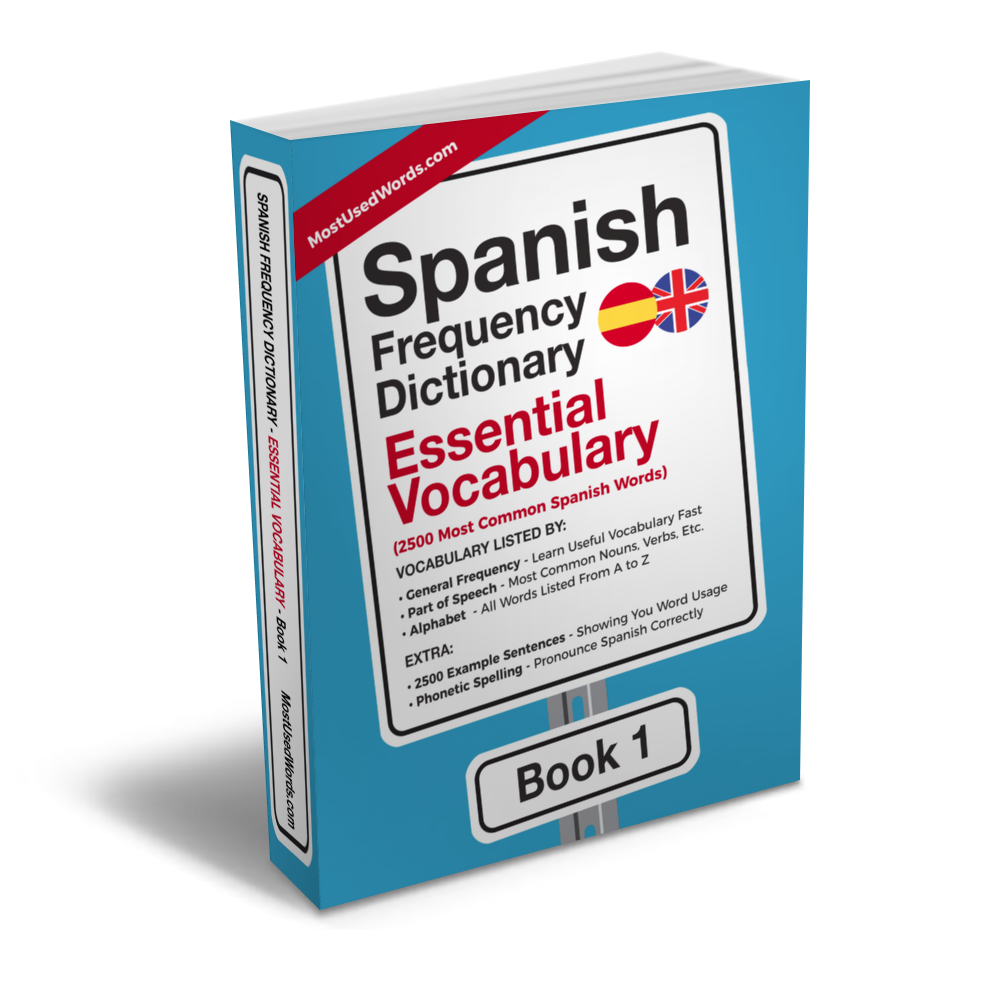
2,500 most common Spanish words with IPA pronunciation & bilingual example sentences
How to Say 'To Walk' in Spanish: Meaning and Conjugations
The primary verb for "to walk" in Spanish is caminar (IPA: /ka.mi.ˈnaɾ/), which belongs to the first conjugation group. Here are its various forms:
- Yo camino (I walk)
- Tú caminas (You walk)
- Él/Ella camina (He/she walks)
- Nosotros/Nosotras caminamos (We walk)
- Vosotros/Vosotras camináis (You all walk)
- Ellos/Ellas caminan (They walk)
Synonyms and Colloquial Expressions for 'To Walk' in Spanish
Want to improve your Spanish?
The Spanish Frequency Dictionary series covers the 10,000 most common Spanish words — ranked by how often native speakers actually use them, with IPA pronunciation, English translations, and bilingual example sentences at every level.
Browse all 4 volumes →In addition to caminar, there are several synonyms and colloquial expressions used across different regions:
- To hike: caminar por senderos o rutas en la naturaleza.
- To stroll: pasearse con comodidad y disfrutar del entorno.
- To march: marchar juntos por una causa o protesta.
Regional Differences in 'To Walk' in Spanish
The concept of walking can vary across different regions:
- In Mexico, people also use the word caminata, which is more colloquial and often used for a leisurely walk.
- In some parts of South America, such as Argentina and Uruguay, people might say dar un paseo to describe taking a stroll.
- In Spain, the term caminar por la ciudad is commonly used when referring to walking around town.
How to Say 'Walking' in Spanish: Sample Sentences and Audio Pronunciations
To help you better understand how to use these expressions, here are some sentences with audio pronunciations:
- Quiero caminar en el parque.
(I want to walk in the park.)
- No puedo caminar con estos zapatos nuevos.
(I can't walk in these new shoes.)
- Vamos a pasear por el centro.
(Let's take a stroll downtown.)
- Mi perro necesita dar un paseo todos los días.
(My dog needs to be walked every day.)
Build Your Spanish Vocabulary Systematically
The fastest way to grow your Spanish vocabulary is to start with the words you'll actually encounter every day. The Spanish Frequency Dictionary covers the 2,500 most common Spanish words, each with IPA pronunciation, an English translation, and bilingual example sentences.
Browse the full range of Spanish frequency dictionaries to find the volume that matches your level.