How to Say To Open in Spanish | MostUsedWords.com
As of 2026, learning common phrases like "how to say to open in Spanish" can greatly enhance your communication skills when traveling or living in a Spanish-speaking country. In this article, we will explore how to accurately express the action of opening something in Spanish using the verb abrir. We'll cover regional variations, idiomatic expressions, and provide sample sentences for different contexts.

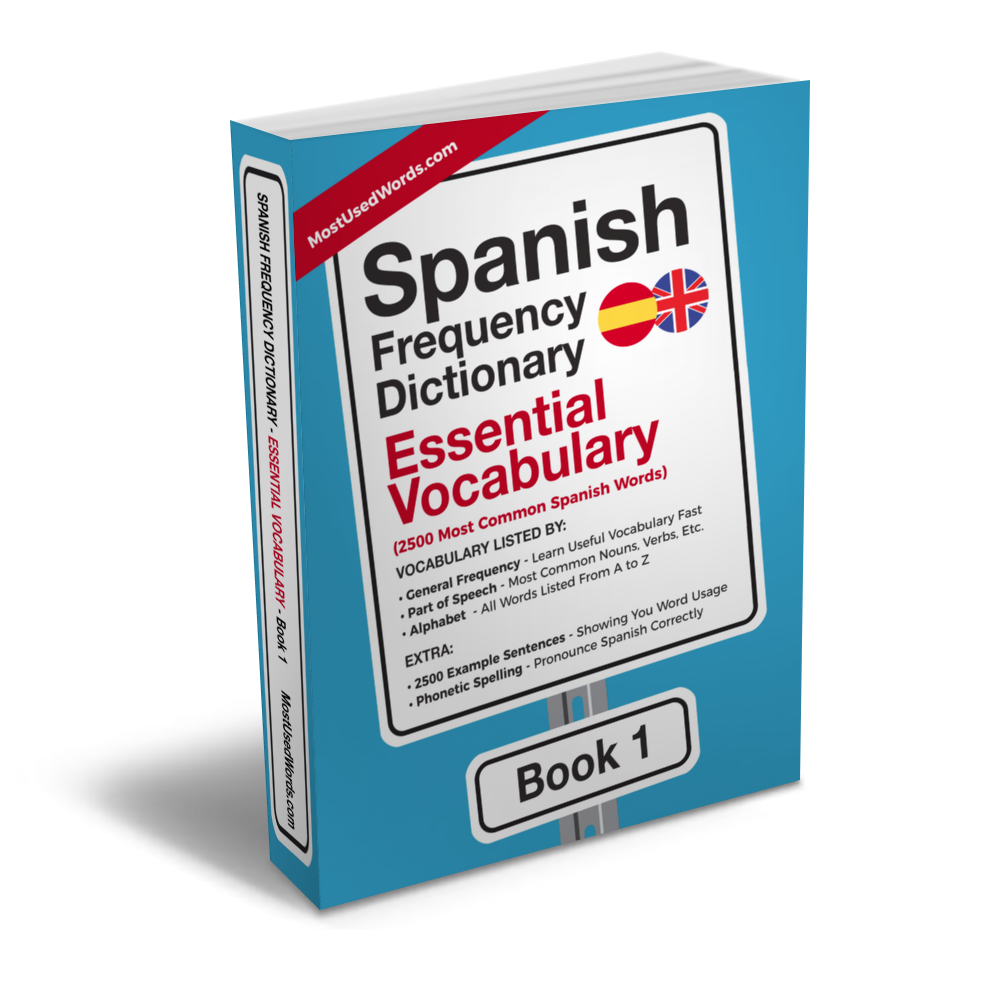
2,500 most common Spanish words with IPA pronunciation & bilingual example sentences
What is "To Open" in Spanish?
In English, the phrase "to open" refers to revealing or making accessible something that was previously closed. In Spanish, this action is expressed with the verb abrir, pronounced as /aˈbɾiɾ/. This versatile term is widely used across all Spanish-speaking regions and contexts.
Meaning of "To Open" in Spanish
Want to improve your Spanish?
The Spanish Frequency Dictionary series covers the 10,000 most common Spanish words — ranked by how often native speakers actually use them, with IPA pronunciation, English translations, and bilingual example sentences at every level.
Browse all 4 volumes →The verb abrir captures the essence of opening doors, windows, packages, or books. It signifies creating an aperture to allow access to something that was previously closed or concealed. Whether you're unlocking a door or unfolding a map, "abrir" is your go-to verb.
The noun, adverb, and adjective forms of "to open" in Spanish (opener, opening, open) are detailed in other MostUsedWords.com blog posts.
Synonyms of the Spanish Verb Abrir
- Desplegar (IPA: /desˈpleɣar/): To unfold or unfurl. Used when opening something that was folded, like a map or banner.
- Descubrir (IPA: /desˈkuβrir/): To uncover or discover. Revealing hidden or unknown things, such as secrets or surprises.
- Inaugurar (IPA: /inauɣuˈɾaɾ/): To inaugurate or open officially. Used for launching new buildings, events, or businesses.
- Destapar (IPA: /destaˈpaɾ/): To uncover or uncap. Removing lids or covers from objects like bottles or revealing hidden items.
- Partir (IPA: /ˈpaɾtiɾ/): To split or divide. Describing the act of separating something into parts, effectively opening it up.
- Romper (IPA: /ˈrompeɾ/): To break or rupture. Used in contexts where breaking forcefully conveys opening, like a door or seal.
- Abrirse (IPA: /aˈβɾiɾse/): To open up or unfold oneself. A reflexive verb indicating something or someone unfolding naturally, such as a flower blooming.
Regional Variations and Idiomatic Expressions Using "Abir"
The verb abrir is consistent across Spanish-speaking regions. However, there are some regional variations in usage:
- In Spain, you might hear "abrir la puerta con llave" (open the door with a key).
- In Latin America, "abrir una cuenta bancaria" (open a bank account) is commonly used.
Additionally, there are idiomatic expressions like "abrir la mente" (to open one's mind), which means to be more receptive or tolerant.
How to Say "To Open" in Spanish: Sample Sentences
-
Puedes abrir la puerta, por favor?
(Can you open the door, please?)
-
Me encanta abrir regalos en Navidad.
(I love opening gifts at Christmas.)
-
Abrí la ventana para que entre el aire fresco.
(Open the window so that fresh air can come in.)
-
El jardín se abrió a la vista de todos cuando las flores empezaron a brotar.
(The garden opened up to everyone's view as flowers began to bloom.)
-
Abrí el libro y comencé a leerlo.
(I opened the book and started reading it.)
Build Your Spanish Vocabulary Systematically
The fastest way to grow your Spanish vocabulary is to start with the words you'll actually encounter every day. The Spanish Frequency Dictionary covers the 2,500 most common Spanish words, each with IPA pronunciation, an English translation, and bilingual example sentences.
Browse the full range of Spanish frequency dictionaries to find the volume that matches your level.