How to Say To Compare in Spanish | MostUsedWords.com
As of 2026, learning how to express "to compare" in Spanish is a crucial skill for enhancing your communication abilities and understanding the nuances of the language. In this article, we will explore various ways to say "to compare" in Spanish, including regional variations and idiomatic expressions.

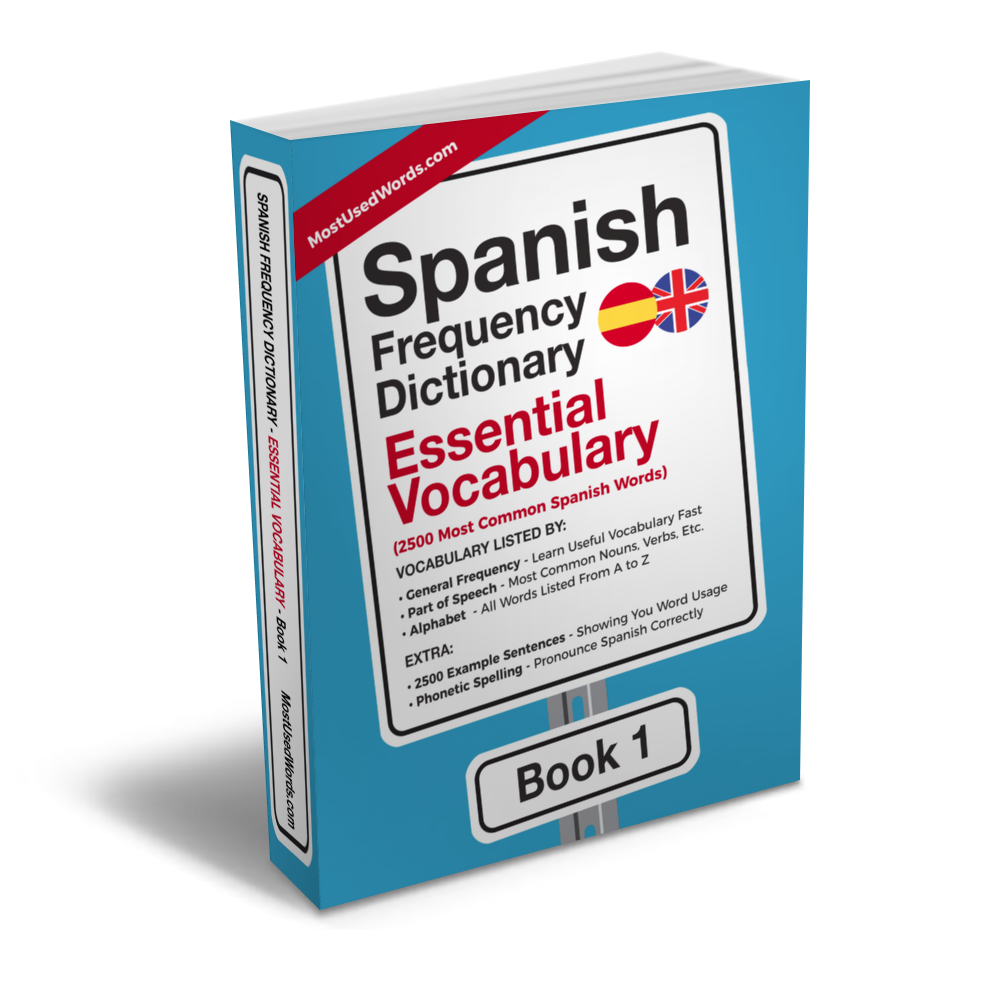
2,500 most common Spanish words with IPA pronunciation & bilingual example sentences
How to Say "To Compare" in Spanish
In Spanish, the verb "to compare" can be expressed using several verbs depending on the context and region. Here are some commonly used expressions:
- Comparar (/kom.paˈɾaɾ/): This is the most widely used and general term for "to compare" in Spanish, understood across various regions.
- Equiparar (IPA: /e.ki.paˈɾaɾ/): This verb implies a more precise or equal comparison between two things or concepts. While common in Latin America, it may be less prevalent in Spain where other expressions are preferred.
- Cotejar (IPA: /koˈte.xar/): Used to compare documents or verify information, this term is more specific and commonly used in certain contexts within Spain.
- Contrastar (IPA: /kon.tɾasˈtaɾ/): Emphasizes highlighting differences rather than similarities. This verb is sometimes used in Latin American countries to draw attention to contrasts between items or concepts.
Meaning of "To Compare" in Spanish
Want to improve your Spanish?
The Spanish Frequency Dictionary series covers the 10,000 most common Spanish words — ranked by how often native speakers actually use them, with IPA pronunciation, English translations, and bilingual example sentences at every level.
Browse all 4 volumes →When using the term "to compare" in Spanish, you can express different shades of meaning such as:
- To make a comparison between two or more things or concepts.
- To assess similarities and differences between items.
- To draw analogies or parallels between different elements.

Regional Variations in "To Compare" Expressions
While the term "comparar" is widely used across all Spanish-speaking regions, there are regional variations or alternative expressions:
- In Spain, you might encounter cotejar (IPA: /koˈte.xar/), which is more commonly used to mean "to compare" in certain contexts such as comparing documents or verifying information.
- In some Latin American countries, the verb contrastar (IPA: /kon.tɾasˈtaɾ/) emphasizes highlighting differences rather than similarities. For example:
How to Say "To Compare" in Spanish: Sample Sentences and Idiomatic Expressions
Here are five sample sentences you can use to say "to compare" in Spanish, along with some idiomatic expressions:
- Necesito comparar estos dos productos antes de tomar una decisión.
(I need to compare these two products before making a decision.)
- No podemos contrastar las culturas de ambos países, son muy diferentes.
(We cannot draw contrasts between the cultures of both countries; they are very different.)
- Comparar precios en diferentes tiendas es una buena idea antes de hacer una compra.
(Comparing prices in different stores is a good idea before making a purchase.)
- Cotejar los documentos para verificar la información es importante en el trabajo.
(To compare documents to verify information is important at work.)
Build Your Spanish Vocabulary Systematically
The fastest way to grow your Spanish vocabulary is to start with the words you'll actually encounter every day. The Spanish Frequency Dictionary covers the 2,500 most common Spanish words, each with IPA pronunciation, an English translation, and bilingual example sentences.
Browse the full range of Spanish frequency dictionaries to find the volume that matches your level.