How to Say Call in Spanish | MostUsedWords.com
Updated for 2026, the word "call" can be translated into Spanish as "llamada" or "llamar", depending on the context. This article delves deeper into how to use these terms effectively in various situations.
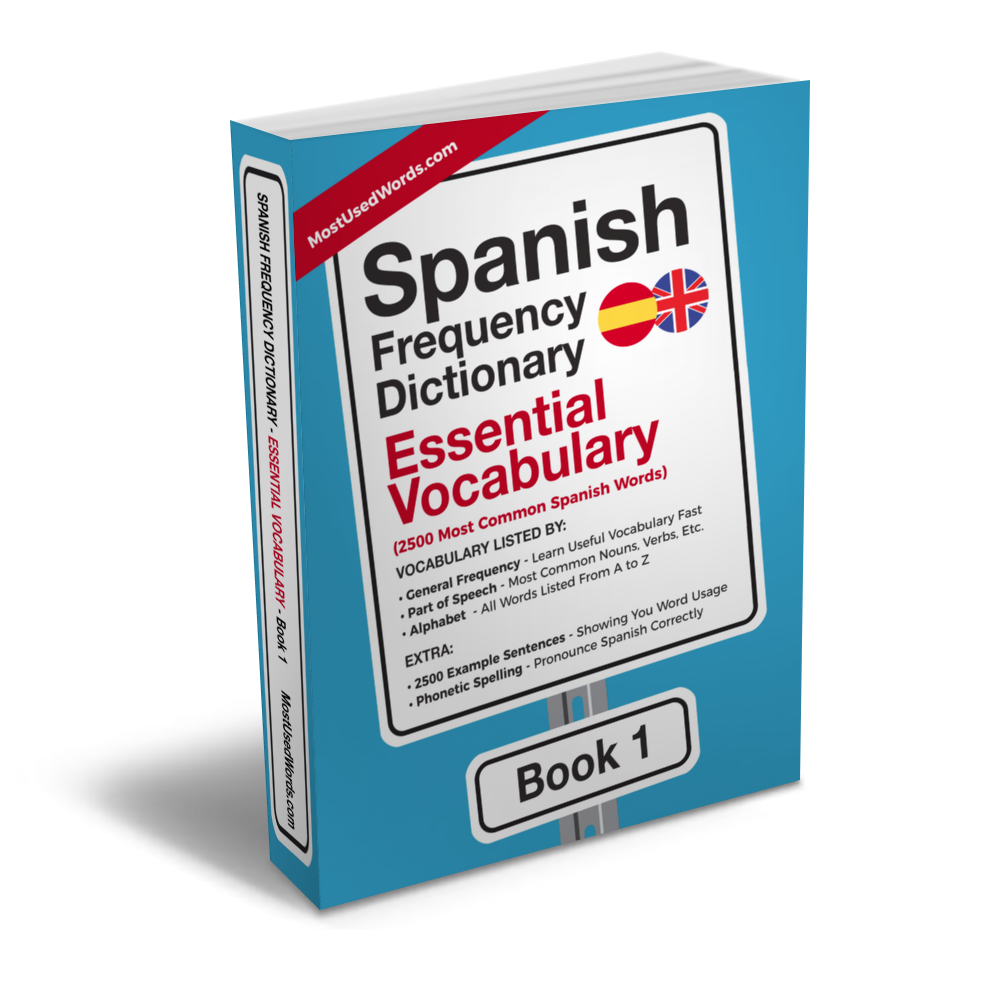
2,500 most common Spanish words with IPA pronunciation & bilingual example sentences
Different Ways to Say 'Call' in Spanish
In Spanish, "call" can be expressed using several words and phrases, each with its own nuance. The most common term is "llamada", which translates directly from the verb "llamar". Other alternatives include "teléfono" for a phone call specifically, "comunicación" for communication in general, and "conversación" for conversation. Each of these terms can be used depending on whether you're referring to a specific type of call or a more general form of contact.
Formal vs Informal Usage
Want to improve your Spanish?
The Spanish Frequency Dictionary series covers the 10,000 most common Spanish words — ranked by how often native speakers actually use them, with IPA pronunciation, English translations, and bilingual example sentences at every level.
Browse all 4 volumes →The way you express "call" in Spanish can vary based on the level of formality required by the situation. For instance, "Dar una llamada" is often used in formal settings or when speaking to someone for the first time, while "Hacer una llamada" might be more casual and commonly used among friends.
Sample Sentences with Different Contexts
To better understand how to use "call" in Spanish, here are some sample sentences:
- Puedes hacerme una llamada?
- Voy a dar una llamada rápida antes de salir.
- ¿Puedo tomar tu teléfono?
- Hice una llamada por teléfono esta mañana.
- Tengo que hacer una llamada importante ahora mismo.
(Can you make a call for me?)
(I'm going to make a quick call before I leave.)
(Can I take your phone?)
(I made a call on the telephone this morning.)
(I have to make an important call right now.)
Regional Differences in Spanish-speaking Countries
In different regions of the Spanish-speaking world, there are variations in how people express "call". For example, in Mexico and Spain, it's common to use "Dar una llamada", whereas in Argentina and Colombia, simply using "Llamar" is more typical.
Cultural Notes for Making Phone Calls in Spanish-speaking Countries
Making phone calls in these countries often involves specific cultural practices. For instance, it's common to greet the person with "Hola, ¿quién habla?" (Hello, who's speaking?) or "¿Es usted...?" (Is this...?). It’s also customary to ask how the other person is doing before getting into the main topic of conversation.
How to Say 'Call' in Spanish: Phone Calls
The term "call" can be used in various contexts related to phone calls. For example, "Llamar por teléfono" specifically refers to making a call on the telephone, while "Tomar un teléfono" means answering the phone.
Build Your Spanish Vocabulary Systematically
The fastest way to grow your Spanish vocabulary is to start with the words you'll actually encounter every day. The Spanish Frequency Dictionary covers the 2,500 most common Spanish words, each with IPA pronunciation, an English translation, and bilingual example sentences.
Browse the full range of Spanish frequency dictionaries to find the volume that matches your level.