How to Say Tale in Spanish | MostUsedWords.com
As of 2026, the translation of the English word "tale" into Spanish can vary widely depending on context and region. Understanding these nuances is crucial for effective communication in Spanish-speaking countries.
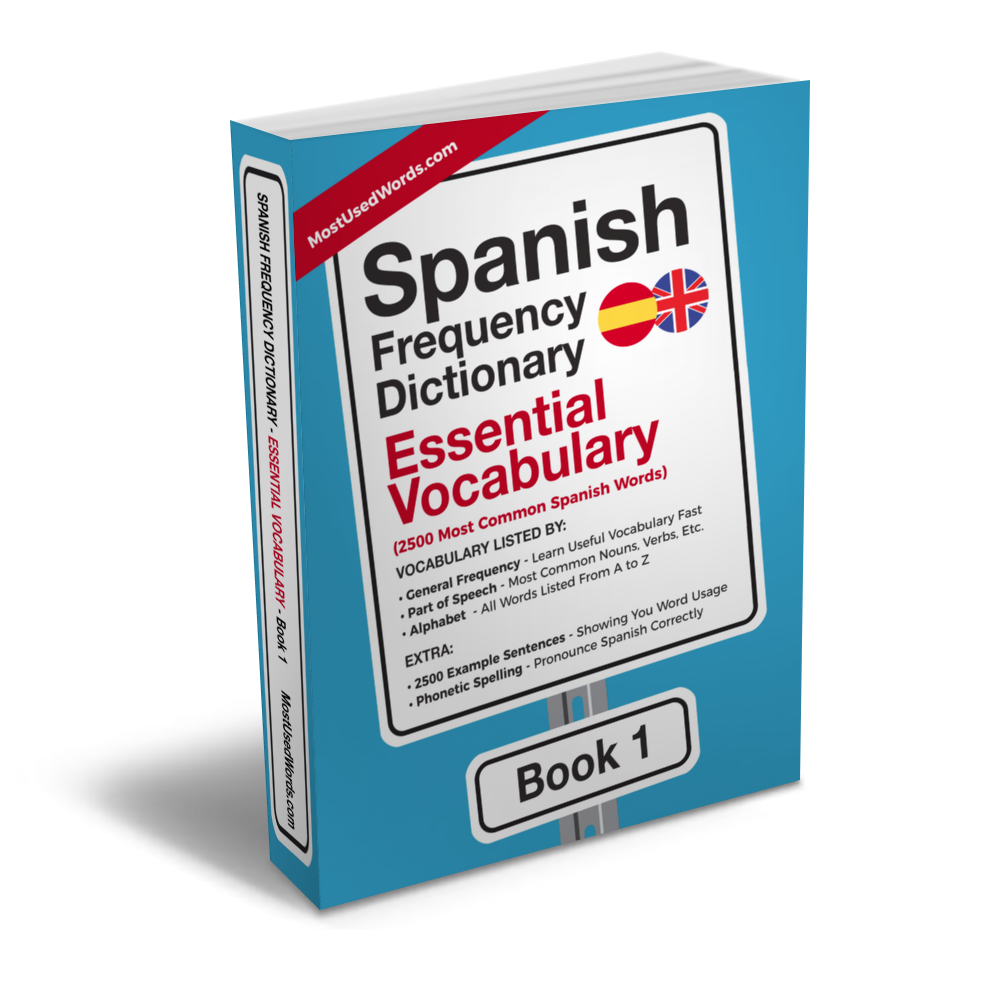
2,500 most common Spanish words with IPA pronunciation & bilingual example sentences
How to Say Tale in Spanish
The term "tale" in English refers to a narrative or story, often involving imaginative elements. In Spanish, several words can be used to convey this concept, each with its own specific connotations and usage contexts.
Common Translations of Tale
Want to improve your Spanish?
The Spanish Frequency Dictionary series covers the 10,000 most common Spanish words — ranked by how often native speakers actually use them, with IPA pronunciation, English translations, and bilingual example sentences at every level.
Browse all 4 volumes →- Cuento (IPA: /ˈkwento/): This is the most widely recognized translation for "tale" in Spanish. It refers to a story or narrative, often with imaginative elements and can be used across various regions.
- Historia (IPA: /isˈtoɾja/): While primarily meaning "history," this term can also refer to a narrative or story, especially in formal contexts. In some regions, it might imply a more factual or serious narrative.
- Relato (IPA: /reˈlato/): Translates to "account" or "narration." Commonly used in Spain and parts of Latin America, this term can also convey the sense of a story.
Cultural Significance of Different Types of Tales
The translation of "tale" into Spanish is not uniform across all cultures. Here are some specific types and their cultural significance:
- Cuento Popular: Refers to a folk tale or traditional story passed down through generations, often carrying significant cultural value.
- Historia Fantástica: Used when the "tale" leans towards fantasy or supernatural elements, such as fairy tales or stories involving magical components.
- Narración Imaginativa: A more literal translation emphasizing the imaginative aspect of a tale, useful in discussions about creative storytelling.
Regional Variations and Nuances
The usage of "tale" translations can vary significantly across different Spanish-speaking regions. For instance:
- In Spain, cuento is often preferred for imaginative stories.
- In Latin America, particularly in countries like Mexico and Argentina, relato might be more commonly used to describe a narrative or story.
Synonyms of Tale in Spanish
Here are some additional synonyms for "tale" in Spanish:
- Narración (IPA: /narrasˈjon/): A spoken or written account of connected events, often used to describe a story.
- Crónica (IPA: /ˈkɾonika/): A factual historical account presented in the order it occurred, covering specific periods or topics.
- Anécdota (IPA: /aˈnekdo.ta/): A brief and often personal account of an incident or event, focusing on a single noteworthy aspect.
- Informe (IPA: /inˈforme/): A detailed and factual description of events, situations, or research findings presented for analysis or presentation.
Build Your Spanish Vocabulary Systematically
The fastest way to grow your Spanish vocabulary is to start with the words you'll actually encounter every day. The Spanish Frequency Dictionary covers the 2,500 most common Spanish words, each with IPA pronunciation, an English translation, and bilingual example sentences.
Browse the full range of Spanish frequency dictionaries to find the volume that matches your level.