How to Say Sunday in Spanish - Domingo Explained
As of 2026, learning how to say "Sunday" in Spanish is essential for anyone looking to communicate more effectively with native speakers. The word for "Sunday" in Spanish is "domingo." This article will guide you on how to use "domingo" in conversations and provide common phrases related to Sunday activities.
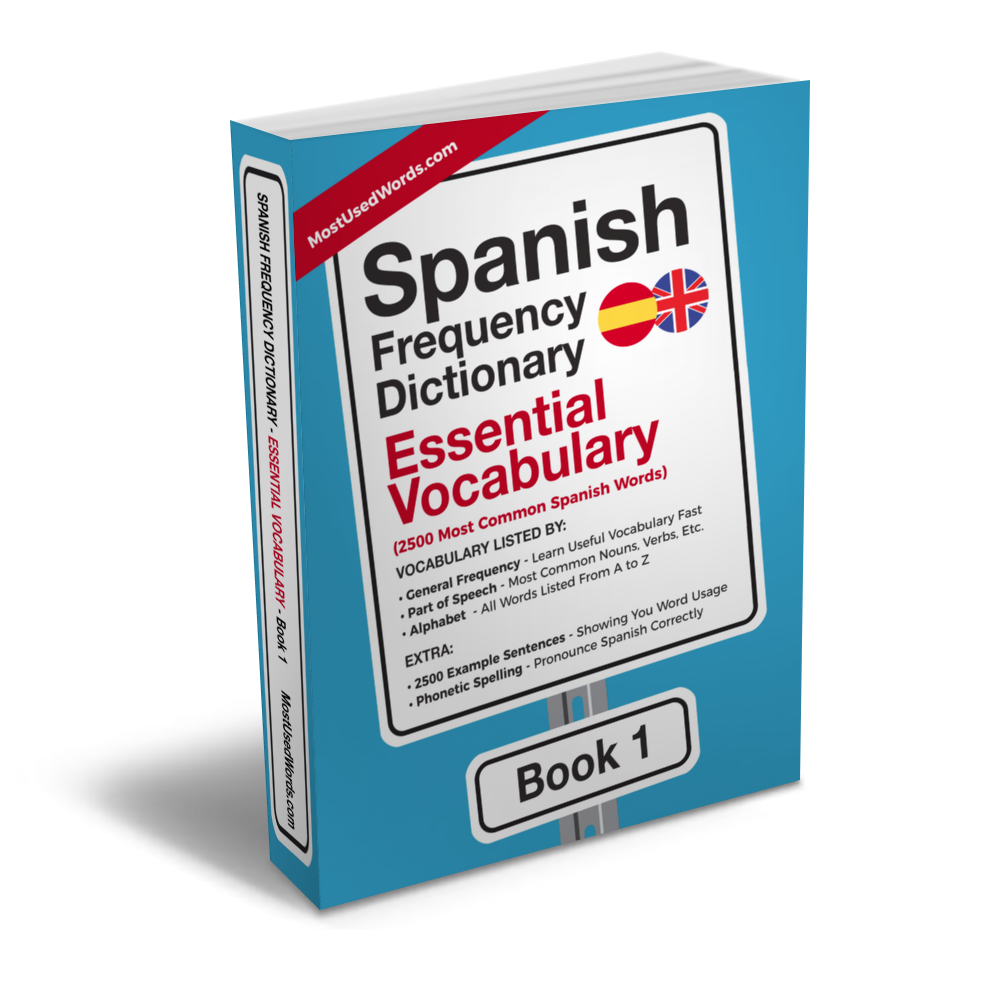
2,500 most common Spanish words with IPA pronunciation & bilingual example sentences
The Word for "Sunday" in Spanish: Domingo
How do you say Sunday in Spanish? The word for "Sunday" is "domingo," pronounced as /doˈmiŋɡo/. This term originates from the Latin "dominicus," meaning "belonging to the Lord." In many Spanish-speaking countries, Sunday holds significant religious and cultural importance.
Using Domingo in Conversations
Want to improve your Spanish?
The Spanish Frequency Dictionary series covers the 10,000 most common Spanish words — ranked by how often native speakers actually use them, with IPA pronunciation, English translations, and bilingual example sentences at every level.
Browse all 4 volumes →To effectively use "domingo" in conversations, it's helpful to know common phrases related to activities on Sundays. For example:
- "¿Qué planes tienes para el domingo?" (What are your plans for Sunday?)
- "El partido de fútbol es el domingo por la tarde." (The football match is on Sunday afternoon.)
- "Vamos a la iglesia este domingo." (We're going to church this Sunday.)
- "Me encanta ir al parque los domingos." (I love going to the park on Sundays.)
Common Phrases and Activities Related to Domingo
Sunday, or "domingo," is a day for various activities in Spanish-speaking countries. Here are some common phrases:
- "Ir a misa el domingo" (Going to mass on Sunday)
- "Celebrar la familia los domingos" (Spending time with family on Sundays)
- "Descansar y relajarse el domingo por la tarde" (Resting and relaxing in the afternoon on Sunday)
Regional Pronunciation Differences of Domingo
The pronunciation of "domingo" can vary slightly across different Spanish-speaking regions:
- Mexico and Central America: The pronunciation is typically /doˈmiŋɡo/.
- Spain: In Spain, the pronunciation remains /doˈmiŋɡo/, but you might hear variations like "el día del Señor."
- Argentina: Here, it's also pronounced as /doˈmiŋɡo/, with occasional use of "el día del descanso."
- Chile: In Chile, the pronunciation is standard /doˈmiŋɡo/.
- Puerto Rico: In Puerto Rico, it's pronounced as /doˈmiŋɡo/, with some referring to Sunday as "el día de la iglesia."
Build Your Spanish Vocabulary Systematically
The fastest way to grow your Spanish vocabulary is to start with the words you'll actually encounter every day. The Spanish Frequency Dictionary covers the 2,500 most common Spanish words, each with IPA pronunciation, an English translation, and bilingual example sentences.
Browse the full range of Spanish frequency dictionaries to find the volume that matches your level.