How to Say Subject in Spanish | MostUsedWords.com
Updated for 2026, when learning a new language like Spanish, expanding your vocabulary is crucial. If you are looking to learn how to say "subject" in Spanish, this guide will help you understand the nuances and provide practical examples.

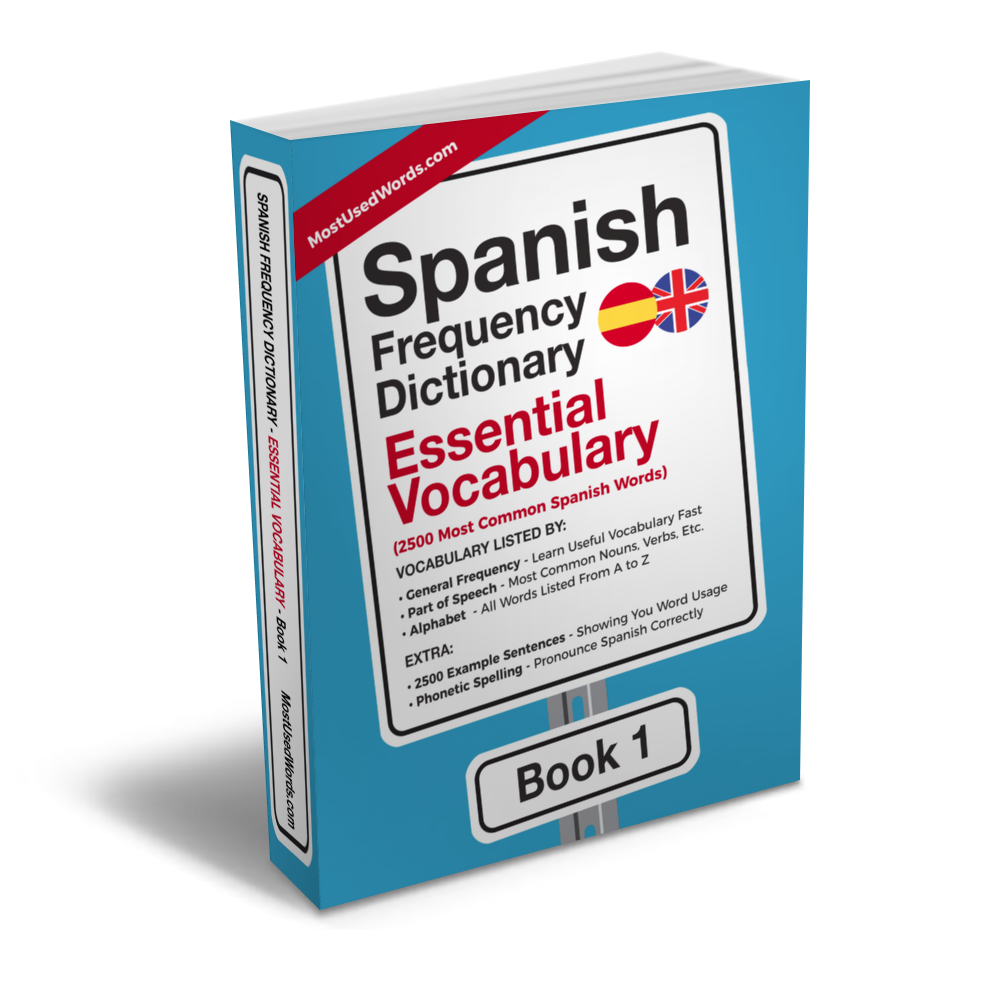
2,500 most common Spanish words with IPA pronunciation & bilingual example sentences
How to Say "Subject" in Spanish
The English noun "subject" can have multiple meanings and translations in Spanish. Let's explore these translations and their implications:
As a Topic or Theme (Tema/Asunto)
Want to improve your Spanish?
The Spanish Frequency Dictionary series covers the 10,000 most common Spanish words — ranked by how often native speakers actually use them, with IPA pronunciation, English translations, and bilingual example sentences at every level.
Browse all 4 volumes →In the context of discussing a topic or theme, you would use tema or asunto.
- Ese es un tema interesante. (That's an interesting subject.)
- Vamos a discutir este asunto en la reunión. (We will discuss this matter in the meeting.)
As a Person Under Rule (Súbdito)
In contexts of monarchy or authority, "subject" refers to someone under rule and is translated as súbdito.
- Los súbditos leales servían a su rey con devoción. (Loyal subjects served their king with devotion.)
As a Grammatical Term (Sujeto)
In grammar, "subject" is the entity performing an action or being described and translates to sujeto.
- El sujeto de esta oración es bastante claro. (The subject of this sentence is quite clear.)
Differences in Usage Across Contexts and Settings
In academic settings, "subject" often refers to a topic being studied. Here are some examples:
- El tema principal de la conferencia es la innovación tecnológica. (The main subject of the conference is technological innovation.)
- Este semestre, el asunto principal será la historia medieval. (This semester, the main topic will be medieval history.)
Differences Between 'Sujeto', 'Tema', and 'Asunto' in Formal vs. Informal Settings
The usage of these terms can vary depending on whether you are in a formal or informal setting:
- Sujeto: Used universally across Spanish-speaking countries, it is neutral and formal.
- Tema: Often used in academic settings but also in everyday conversations to discuss topics of interest.
- Asunto: More commonly used in administrative or business contexts for matters that need attention.
Regional Variations Across Spanish-Speaking Countries
The word "subject" can have regional variations. For instance, sujeto is widely understood across all regions, while the preference for tema or asunto may vary depending on cultural context.
Meaning of 'Subject' in Spanish: A Deeper Exploration
The term "subject" in Spanish encompasses a wide range of meanings, bridging linguistic and cultural gaps:
- Sujeto: Refers to the core entity performing an action or being described.
- Tema: Captures the essence of what is being discussed in academic or casual settings.
- Asunto: Encompasses matters of importance, often with a pragmatic implication.

Build Your Spanish Vocabulary Systematically
The fastest way to grow your Spanish vocabulary is to start with the words you'll actually encounter every day. The Spanish Frequency Dictionary covers the 2,500 most common Spanish words, each with IPA pronunciation, an English translation, and bilingual example sentences.
Browse the full range of Spanish frequency dictionaries to find the volume that matches your level.