How to Say Sorry I Don't Speak Spanish in Spanish | MostUsed
As of 2026, the phrase "Sorry, I don't speak Spanish" is a common expression used when communicating with non-Spanish speakers. In this guide, we will explore how to say it correctly in Spanish, along with regional variations and alternative phrases for different situations.

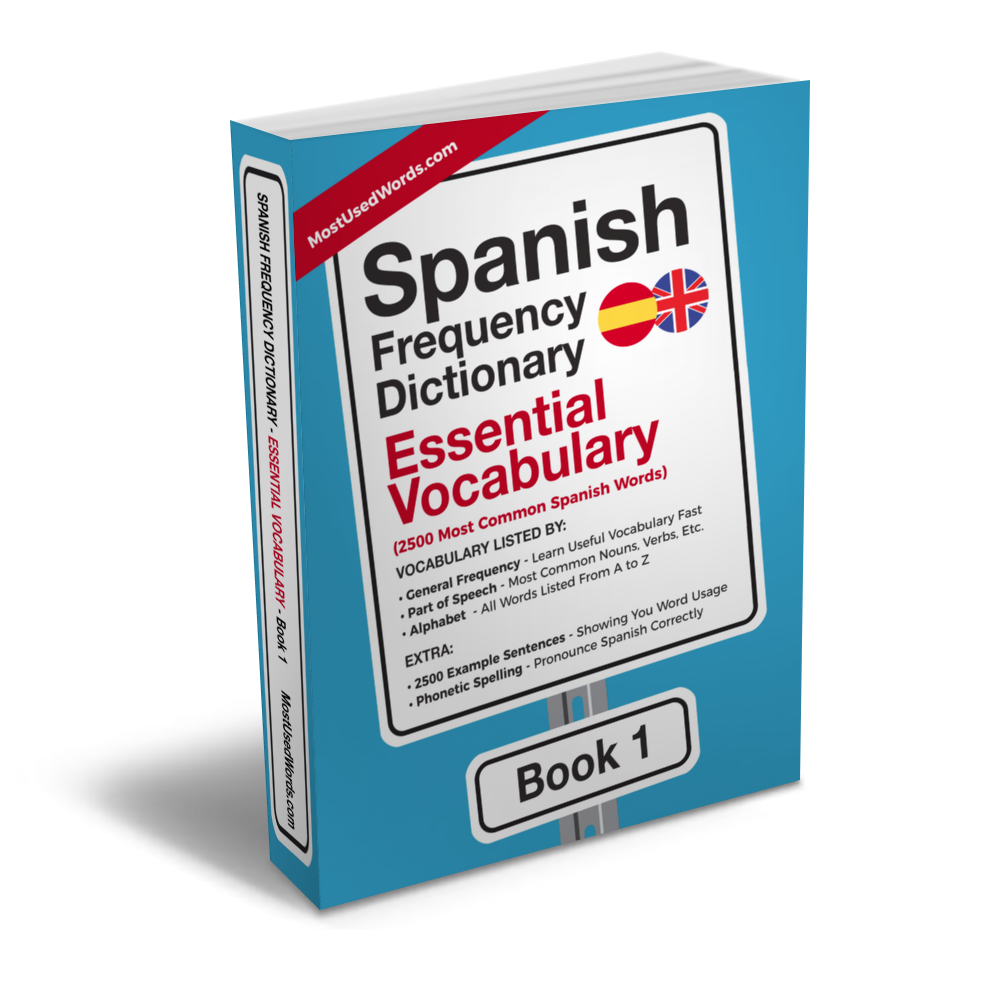
2,500 most common Spanish words with IPA pronunciation & bilingual example sentences
How to Say "Sorry, I Don't Speak Spanish" in Spanish
The correct translation of "Sorry, I don't speak Spanish" is "Perdón, no hablo español." To help with pronunciation, here are the individual words broken down using the International Phonetic Alphabet (IPA):
- Perdón: /peɾˈðon/
- No: /no/
- Hablo: /ˈaβlo/
- Español: /espaˈɲol/
Cultural Context and Etiquette
Want to improve your Spanish?
The Spanish Frequency Dictionary series covers the 10,000 most common Spanish words — ranked by how often native speakers actually use them, with IPA pronunciation, English translations, and bilingual example sentences at every level.
Browse all 4 volumes →When using "Perdón, no hablo español," it's important to understand the cultural context. In Spain and Latin America, people often appreciate attempts at speaking their language, even if you're not fluent. However, there are times when acknowledging a language barrier is necessary.
Alternative Phrases for Different Situations
In addition to "Perdón," other phrases like "disculpa" or "lo siento" can be used interchangeably in certain contexts:
- Disculpa, no hablo español.
- Lo siento, no entiendo español.
Sample Sentences and Contexts
To better understand how to use "Perdón, no hablo español," here are several sample sentences in various contexts:
- Perdón, no hablo español, ¿me podría ayudar en inglés?
- Disculpa, no entiendo español, ¿podrías repetir eso en inglés?
- Lo siento, no hablo español, ¿hay alguien aquí que hable inglés?
- Perdón, no hablo español, ¿puedo utilizar un traductor?
- Disculpa, no entiendo español, ¿podrías escribirlo en inglés?
These phrases can be adapted to fit different situations where a language barrier is encountered.
Conclusion
Making an effort to learn basic phrases like "Perdón, no hablo español" enhances communication and shows respect for the local culture. Whether you're traveling in Spain or interacting with Spanish speakers at home, these tips will help you navigate language barriers effectively.
Build Your Spanish Vocabulary Systematically
The fastest way to grow your Spanish vocabulary is to start with the words you'll actually encounter every day. The Spanish Frequency Dictionary covers the 2,500 most common Spanish words, each with IPA pronunciation, an English translation, and bilingual example sentences.
Browse the full range of Spanish frequency dictionaries to find the volume that matches your level.