How to Say Sleepy in Spanish | MostUsedWords.com
As of 2026, expanding your Spanish vocabulary beyond basic terms is crucial for effective communication. In this article, we explore the word "sleepy" and its various expressions in different Spanish-speaking regions.

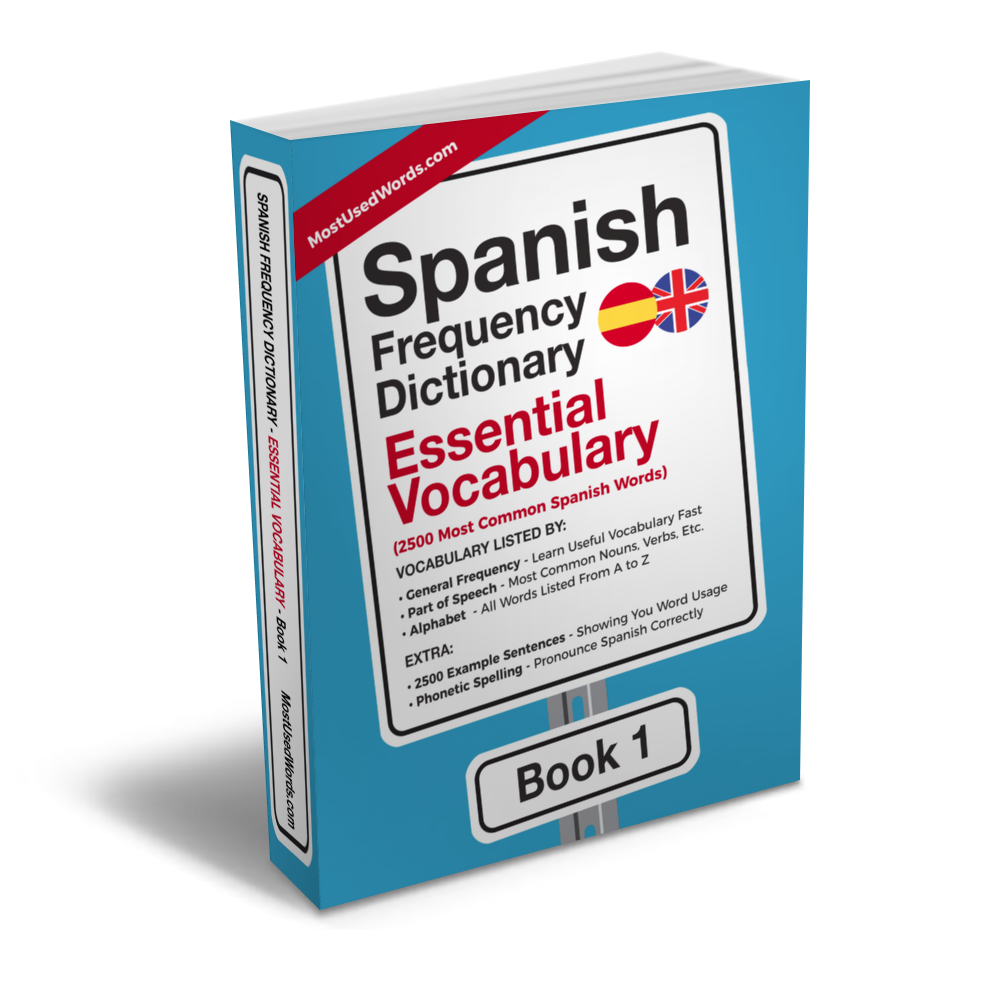
2,500 most common Spanish words with IPA pronunciation & bilingual example sentences
How to Say "Sleepy" in Spanish
The Spanish word for "sleepy" is soñoliento (IPA: /soˈɲoljento/), a term widely used throughout the Spanish-speaking world. However, different regions have their own colloquial expressions to describe feeling sleepy or tired.
Regional Variations
Want to improve your Spanish?
The Spanish Frequency Dictionary series covers the 10,000 most common Spanish words — ranked by how often native speakers actually use them, with IPA pronunciation, English translations, and bilingual example sentences at every level.
Browse all 4 volumes →In Mexico, you may hear apachurrado (IPA: /apaˈtʃurado/), which conveys the sense of being drowsy. In Spain, people often use adormilado (IPA: /aðorˈmilado/). Meanwhile, in Argentina, the word is modorro (IPA: /moˈðo̞ro̞/).
In Chile, you might hear achacado (IPA: /a.t͡ʃa.ˈka.ðo/). In Colombia, the expression apestado (IPA: /a.pe.ˈsta.ðo/) is sometimes used to describe someone who appears sleepy or tired. Lastly, in Venezuela, people use adormido (IPA: /a.ðoɾ.ˈma.ðo/).
Cultural Context
The feeling of being sleepy can vary culturally across Spanish-speaking countries. For instance, the term "soñoliento" is often associated with a need for rest or a lack of energy due to overwork.
How to Say Tired in Spanish: Sample Sentences
Here are five sample sentences you can use to express being sleepy:
- Estoy muy soñoliento después de una larga jornada de trabajo.
- Los bebés se ponen soñolientos después de comer.
- Me desperté temprano y ahora me siento soñoliento.
- Mi perro siempre tiene una expresión soñolienta por las mañanas.
- Después de un buen descanso, ya no me siento soñoliento.
(I am very sleepy after a long day of work.)
(Babies become sleepy after eating.)
(I woke up early, and now I feel sleepy.)
(My dog always has a sleepy expression in the mornings.)
(After a good rest, I don't feel sleepy anymore.)
Build Your Spanish Vocabulary Systematically
The fastest way to grow your Spanish vocabulary is to start with the words you'll actually encounter every day. The Spanish Frequency Dictionary covers the 2,500 most common Spanish words, each with IPA pronunciation, an English translation, and bilingual example sentences.
Browse the full range of Spanish frequency dictionaries to find the volume that matches your level.