How to Say Seizure in Spanish | MostUsedWords.com
As of 2026, understanding medical terms is crucial for effective communication during emergencies or health discussions. In this article, we will explore the translation and meaning of "seizure" in Spanish, including pronunciation guides and regional variations.

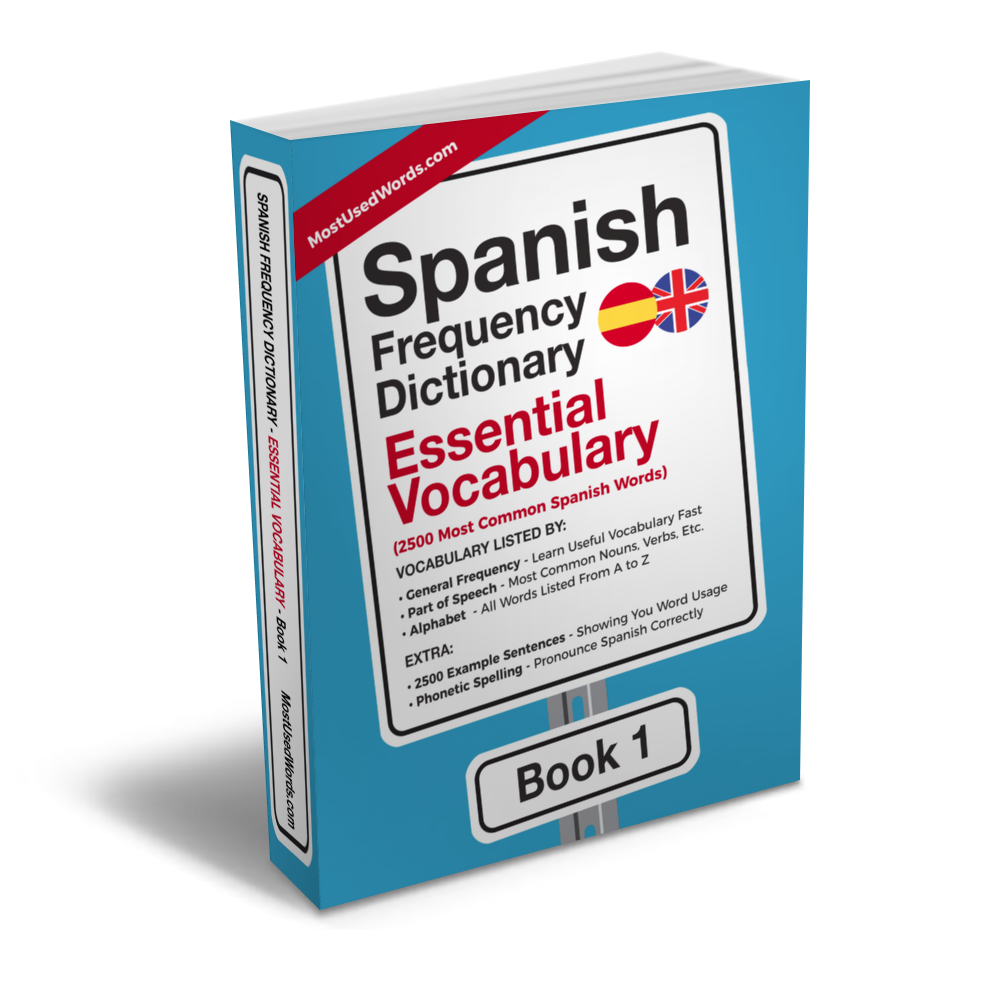
2,500 most common Spanish words with IPA pronunciation & bilingual example sentences
How to Say Seizure in Spanish
The word for "seizure" in Spanish is "convulsión." Pronounced as /kon.βul.ˈsjon/, this term is widely used across the Spanish-speaking world, although regional variations exist.
Pronunciation Guide: How to Pronounce Seizure in Spanish
Want to improve your Spanish?
The Spanish Frequency Dictionary series covers the 10,000 most common Spanish words — ranked by how often native speakers actually use them, with IPA pronunciation, English translations, and bilingual example sentences at every level.
Browse all 4 volumes →To pronounce "seizure" or "convulsión" correctly, focus on the following phonetic pronunciation:
- Spain: /kon.βul.ˈsjon/
- Mexico: /aˈta.ke/ (ataque)
- Argentina: /ˈkɾi.sis/ (crisis)
Regional Variations of Seizure in Spanish
In different regions, you may encounter alternative terms for "seizure." Here are a few examples:
- Mexico: /aˈta.ke/ (ataque)
- Argentina: /ˈkɾi.sis/ (crisis)
Medical Context and Usage of Seizure Terms in Spanish
In medical contexts, several terms are used to describe seizures. Here are some common expressions:
- Epilepsia (IPA: /e.piˈlep.si.a/): This term refers to epilepsy.
- Ataque epiléptico (IPA: /aˈta.ke e.piˈlepˈti.ko/): Commonly used for an epileptic attack.
- Crisis epiléptica (IPA: /ˈkri.sis e.piˈlepˈti.ka/): Used to describe an epileptic crisis or seizure episode.
- Descarga cerebral (IPA: /des.ˈkar.ɣa θe.ˈɾe.βɾal/): Describes a "brain discharge," synonymous with a seizure.
- Trastorno convulsivo (IPA: /tɾas.ˈtoɾ.no kon.βul.ˈsi.βo/): Refers to a convulsive disorder or condition characterized by seizures.
Sample Sentences Using Seizure Terms in Spanish
To help you understand the usage of these terms, here are some sample sentences:
- Tengo convulsiones recurrentes.
- ¿Cuál es la causa más común de convulsiones en niños?
- Si alguien tiene una convulsión, colóquelo de costado para evitar que se asfixie.
- Los médicos están estudiando diferentes tratamientos para las convulsiones.
(I have recurrent seizures.)
(What is the most common cause of seizures in children?)
(If someone has a seizure, place them on their side to prevent choking.)
(Doctors are studying different treatments for seizures.)
Build Your Spanish Vocabulary Systematically
The fastest way to grow your Spanish vocabulary is to start with the words you'll actually encounter every day. The Spanish Frequency Dictionary covers the 2,500 most common Spanish words, each with IPA pronunciation, an English translation, and bilingual example sentences.
Browse the full range of Spanish frequency dictionaries to find the volume that matches your level.