How to Say See in Spanish | Ver Conjugation and Usage
As of 2026, understanding common verbs like "see" is crucial when learning a new language such as Spanish. In this article, we will explore the Spanish translation for "see," including its conjugation in various tenses and usage in idiomatic expressions.

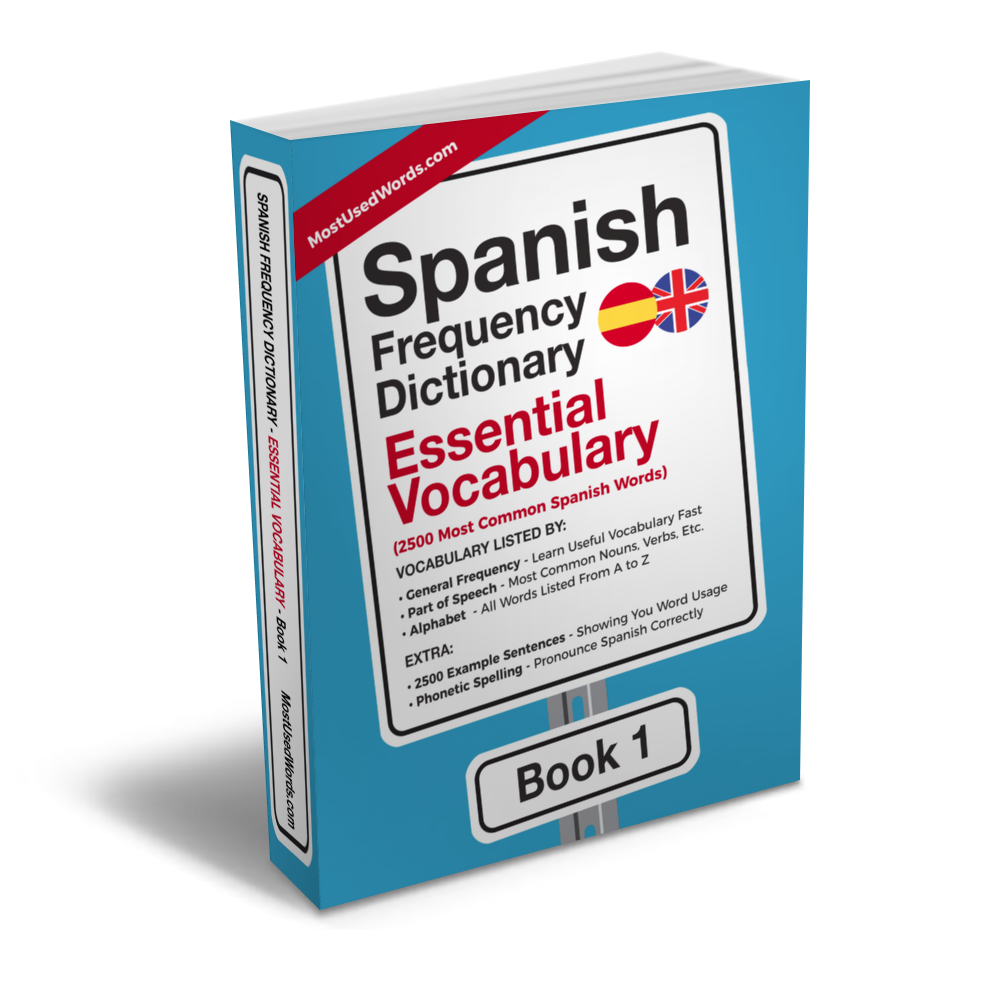
2,500 most common Spanish words with IPA pronunciation & bilingual example sentences
How to Say See in Spanish: The Verb "Ver"
In Spanish, the word for "see" is ver (IPA: /ˈber/), derived from the Latin word "videre." Ver serves as the infinitive form of the verb, meaning "to see" in English. This versatile verb is widely used throughout the Spanish-speaking world.
Conjugation of Ver in Different Tenses
Want to improve your Spanish?
The Spanish Frequency Dictionary series covers the 10,000 most common Spanish words — ranked by how often native speakers actually use them, with IPA pronunciation, English translations, and bilingual example sentences at every level.
Browse all 4 volumes →The conjugation of ver varies depending on the tense and subject pronoun:
- Presente: Yo veo, tú ves, él/ella/usted ve, nosotros/nosotras vemos, vosotros/vosotras ved, ellos/ellas/ustedes ven.
- Futuro simple: Veré, verás, verá, veremos, vereis, verán.
- Pretérito indefinido: Ví, viste, vio, vimos, vistéis, vieron.
This conjugation table provides a solid foundation for using "ver" in various contexts and tenses. Practice with these examples to improve your fluency:
Sample Sentences Using Ver
- ¿Puedes ver el pájaro?
(Can you see the bird?)
- Quiero ver esa película.
(I want to see that movie.)
- No puedo ver bien sin mis gafas.
(I can't see well without my glasses.)
- Ella ve más allá de las apariencias.
(She sees beyond appearances.)
- Espero verte pronto.
(I hope to see you soon.)
Synonyms and Related Words for Ver in Spanish
In addition to "ver," there are several synonyms and related words that can be used depending on the context:
- Visionar: To watch or view.
- Contemplar: To contemplate or observe.
- Distinguir: To distinguish or discern.
These alternatives provide a richer vocabulary and more nuanced expression in Spanish. Incorporating these words will enhance your language skills and make you sound more natural when speaking.
Conclusion
Now that you have learned how to say "see" in Spanish, its conjugation in different tenses, sample sentences, and related synonyms, you can confidently incorporate this essential word into your Spanish vocabulary. Practice using "ver" in various contexts to enhance your language skills.
Build Your Spanish Vocabulary Systematically
The fastest way to grow your Spanish vocabulary is to start with the words you'll actually encounter every day. The Spanish Frequency Dictionary covers the 2,500 most common Spanish words, each with IPA pronunciation, an English translation, and bilingual example sentences.
Browse the full range of Spanish frequency dictionaries to find the volume that matches your level.