How to Say Scam in Spanish | MostUsedWords.com
As of 2026, the need for accurate translation of complex terms like "scam" into Spanish has become increasingly important due to the rise of cross-border communication and online interactions. In English, a scam refers to a fraudulent or deceptive scheme designed to trick someone out of money or information. If you are wondering how to say the term "scam" in Spanish, it is translated as estafa (IPA: /esˈta.fa/). This article will explore the nuances of translating this term and provide insights into recognizing common types of scams prevalent in Spanish-speaking countries.

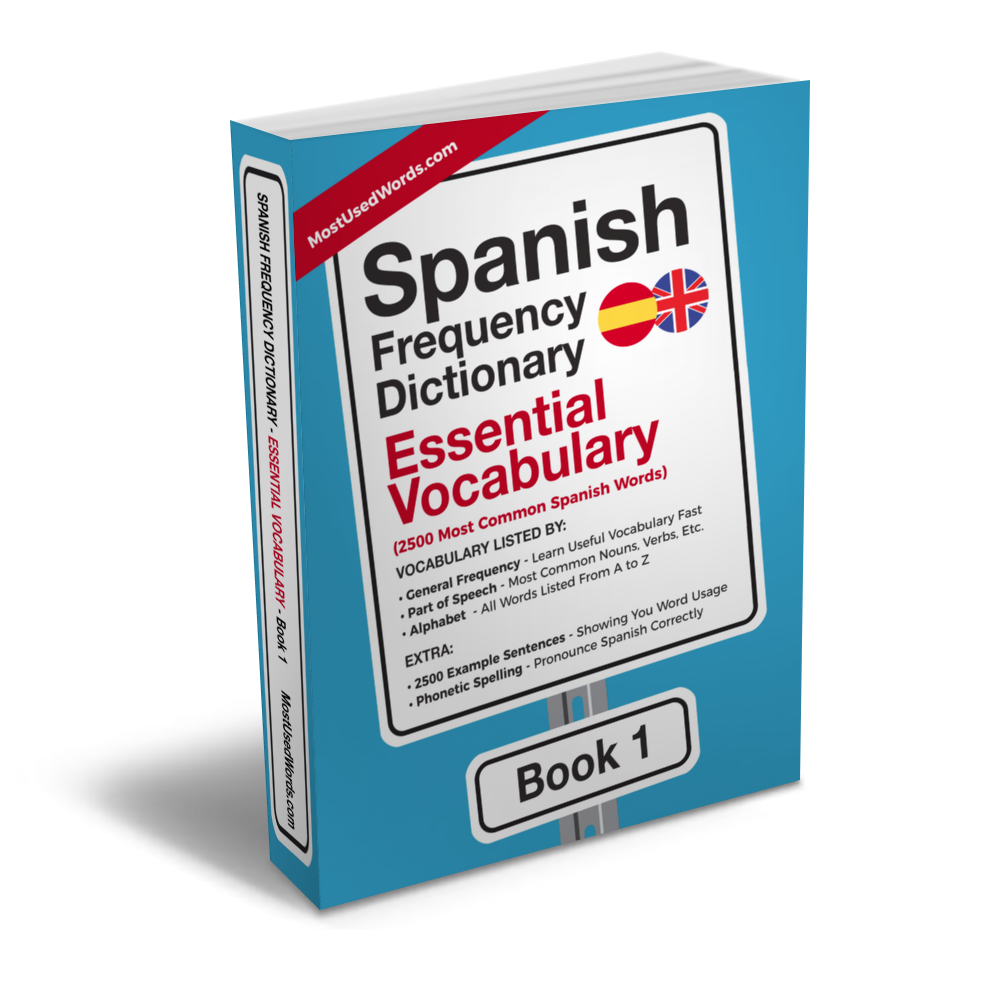
2,500 most common Spanish words with IPA pronunciation & bilingual example sentences
What is "Scam" in Spanish?
The English noun "scam" translates to estafa (IPA: /esˈta.fa/) in Spanish. This term encapsulates the concept of deceitful actions meant to trick or defraud someone and is widely understood throughout the Spanish-speaking world.
Meaning of "Scam" in Spanish
Want to improve your Spanish?
The Spanish Frequency Dictionary series covers the 10,000 most common Spanish words — ranked by how often native speakers actually use them, with IPA pronunciation, English translations, and bilingual example sentences at every level.
Browse all 4 volumes →Estafa carries the same weight and significance as "scam" in English, encompassing various fraudulent activities designed to extract money, information, or other valuable assets from unsuspecting individuals.
Synonyms of "Scam" in Spanish
Here are some synonyms for "estafa," along with their meanings:
- Fraude (IPA: /frau̯.de/): Fraud. Deceitful or dishonest behavior for financial or personal gain, often involving trickery, deception, or misrepresentation.
- Timar (IPA: /ti.ˈmar/): Swindle. To deceive or cheat someone out of their money or belongings through fraudulent means.
- Engaño (IPA: /eŋ.ˈga.ɲo/): Deception. The act of tricking or misleading someone into believing something that is not true, typically with the intent to gain an advantage or profit.
- Defraudar (IPA: /de.frau̯.ˈðar/): Defraud. To illegally obtain money, goods, or services by dishonest means, often involving deliberate deception or misrepresentation.
- Falsificación (IPA: /fal.si.fi.ka.ˈθjon/): Forgery. The act of creating or altering something with the intent to deceive, usually documents, money, or valuable items, in order to gain an unfair advantage or profit.
- Timo (IPA: /ˈti.mo/): Scam. A fraudulent scheme designed to deceive people into giving away their money, personal information, or other valuables.
- Atraco (IPA: /a.ˈtra.ko/): Heist. A robbery or theft that is often well-planned and executed, involving the illegal acquisition of valuable items, money, or assets.
- Malversación (IPA: /mal.ber.sa.ˈθjon/): Embezzlement. The act of misappropriating funds or assets entrusted to one's care, often by diverting them for personal use, with fraudulent intent.
How to Recognize Common Types of Scams in Spanish-Speaking Countries
To avoid falling victim to scams in Spanish-speaking regions, it is crucial to be aware of common tactics used by fraudsters. These include phishing emails, lottery scams, and investment schemes that promise high returns but are actually designed to extract money from unsuspecting individuals.
How to Report Scams in Spanish-Speaking Areas
If you suspect a scam or have been the victim of one, it is important to report it immediately. In many Spanish-speaking countries, there are specific government agencies and hotlines dedicated to combating fraud. For example, in Spain, you can contact the National Police Force (Policía Nacional) at 091 for assistance.
Legal Consequences of Scams in Spanish-Speaking Regions
The legal consequences for those who commit scams in Spanish-speaking regions are severe and may include hefty fines, imprisonment, or both. Understanding these repercussions can serve as a deterrent to potential fraudsters.
Build Your Spanish Vocabulary Systematically
The fastest way to grow your Spanish vocabulary is to start with the words you'll actually encounter every day. The Spanish Frequency Dictionary covers the 2,500 most common Spanish words, each with IPA pronunciation, an English translation, and bilingual example sentences.
Browse the full range of Spanish frequency dictionaries to find the volume that matches your level.