How to Say Rainlessly in Spanish | MostUsedWords.com
As of 2026, the phrase "how to say rainless in Spanish" or "spanish phrase without rain" is a common query among language learners. To express the concept of "rainlessly" in Spanish, we use the word sin lluvia (IPA: /sin ˈʎu.βja/). This term effectively conveys the idea of being without rain and is widely used throughout the Spanish-speaking world.
The phrase "sin lluvia" consists of two parts: sin, which means "without," and lluvia, meaning "rain." Together, they describe an environment or situation that lacks precipitation. This term can be used in various contexts to refer to a dry day, a desert climate, or a period without any rainfall.
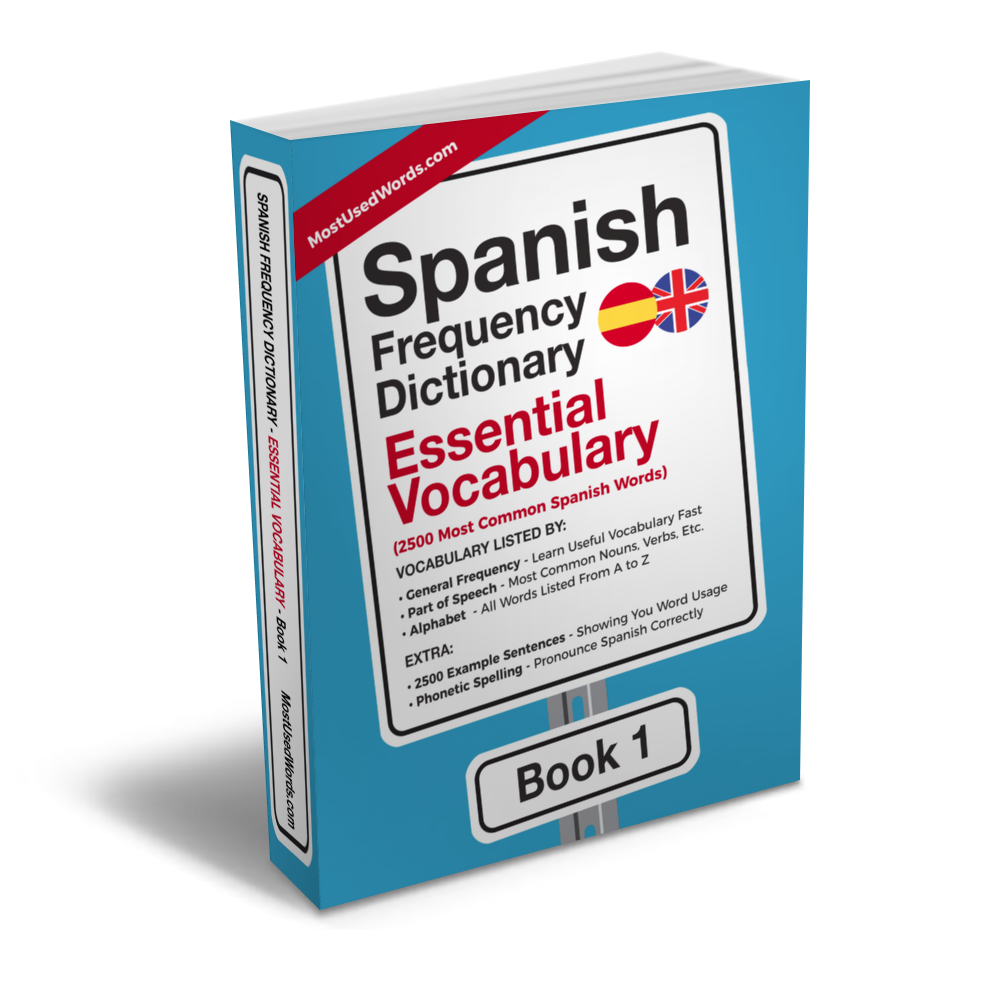
2,500 most common Spanish words with IPA pronunciation & bilingual example sentences
Synonyms for 'Sin Lluvia'
While "sin lluvia" is the most common way to express this concept, there are other phrases that can be used in certain contexts. For example:
- Seco: This term means "dry," and it can be used to describe a day or region without rain.
- Sin precipitaciones: This phrase translates to "without precipitation" and is often used in weather forecasts.
Cultural Contexts for 'Sin Lluvia'
Want to improve your Spanish?
The Spanish Frequency Dictionary series covers the 10,000 most common Spanish words — ranked by how often native speakers actually use them, with IPA pronunciation, English translations, and bilingual example sentences at every level.
Browse all 4 volumes →The concept of being without rain can be culturally significant, especially in regions where water scarcity affects daily life. For instance:
- Desierto de Atacama: This is the driest non-polar desert on Earth and is often described as a place with very little rainfall.
- Islas Canarias: Known for their sunny climate, these islands are frequently visited by tourists looking to enjoy rainless days.
How to Say 'Rainlessly' in Spanish: Sample Sentences
Here are additional sample sentences using "sin lluvia" and its synonyms:
- En verano, algunas regiones del país disfrutan de días sin lluvia.
- In summer, some regions of the country enjoy rainless days.
- Durante la época seca, es común que haya días sin precipitaciones.
- During the dry season, it is common to have days without precipitation.
- El próximo fin de semana planeamos ir a un área desértica para disfrutar del sol y el aire seco.
- Next weekend, we plan to go to a desert area to enjoy the sun and dry air.
- Si prefieres un clima sin lluvia durante tus vacaciones, te recomendaría visitar las Islas Canarias.
- If you prefer a rainless climate during your vacation, I would recommend visiting the Canary Islands.
- Hoy, el pronóstico del tiempo predice un día seco.
- Today, the weather forecast predicts a dry day.
Build Your Spanish Vocabulary Systematically
The fastest way to grow your Spanish vocabulary is to start with the words you'll actually encounter every day. The Spanish Frequency Dictionary covers the 2,500 most common Spanish words, each with IPA pronunciation, an English translation, and bilingual example sentences.
Browse the full range of Spanish frequency dictionaries to find the volume that matches your level.