How to Say Preferences in Spanish | MostUsedWords.com
As of 2026, the word "preferences" can be translated into Spanish as preferencias (IPA: /pɾefeɾenθjas/). This article delves into how to express preferences in Spanish and provides cultural context for different Spanish-speaking regions.

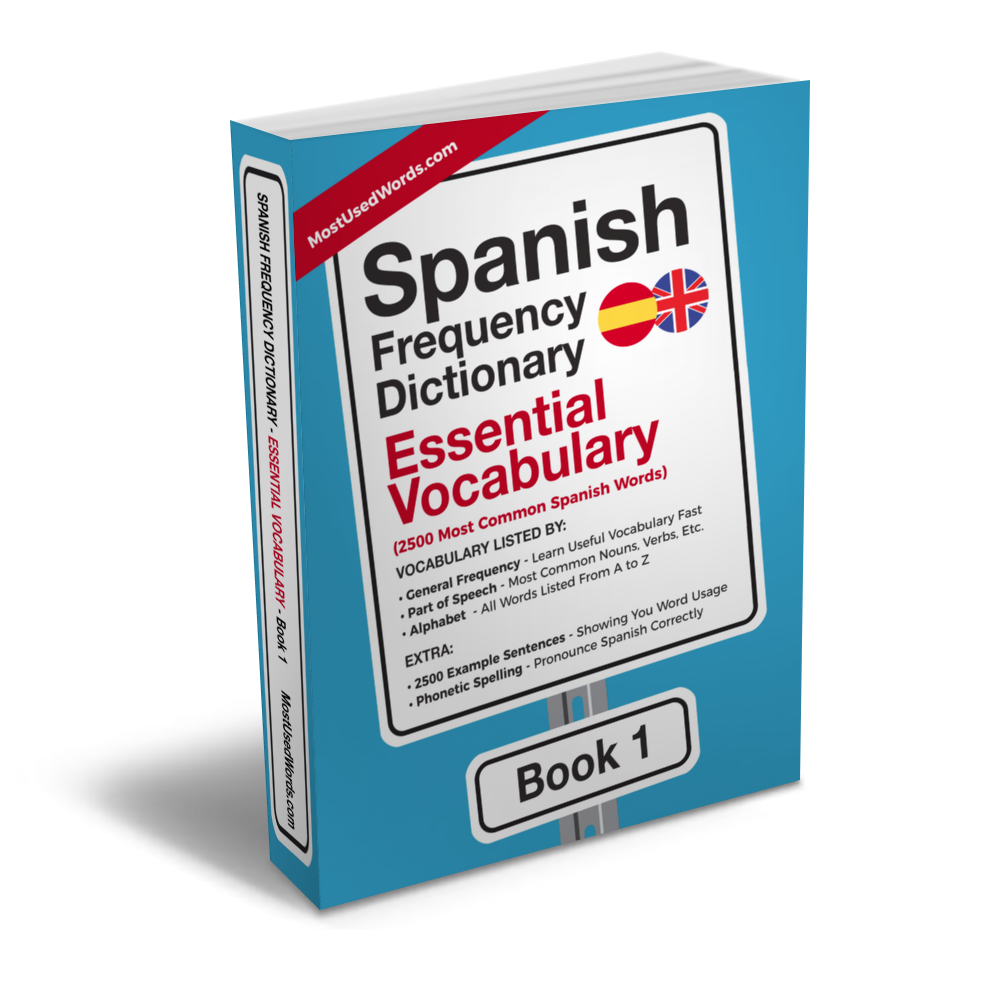
2,500 most common Spanish words with IPA pronunciation & bilingual example sentences
How to Express Preferences in Spanish
The term "preferences" is commonly used to express choices, likes, or personal inclinations in both English and Spanish. In Spanish-speaking regions, the word preferencias (IPA: /pɾefeɾenθjas/) is widely understood but variations exist across different countries.
Meaning of "Preferences" in Spanish
Want to improve your Spanish?
The Spanish Frequency Dictionary series covers the 10,000 most common Spanish words — ranked by how often native speakers actually use them, with IPA pronunciation, English translations, and bilingual example sentences at every level.
Browse all 4 volumes →In Spanish, "preferences" can encompass various meanings and contexts. Here are some key aspects:
- Personal choices: Preferencias personales (IPA: /pɾefeˈɾenθjas peɾsoˈnales/) refers to individual preferences and tastes, such as selecting one option over others based on personal inclination.
- Food and cuisine: In the context of gastronomy, gustos (IPA: /ˈɡustos/) is frequently used to convey preferences for different flavors or dishes. For example, "Mis gustos culinarios son variados" translates to "My culinary preferences are diverse."
- Entertainment and leisure: When discussing leisure activities, the term aficiones (IPA: /afiˈsjones/) is commonly employed. It refers to hobbies or pastimes that individuals prefer or enjoy. For instance, "Tengo varias aficiones, como leer y pintar" means "I have various hobbies, such as reading and painting."
Common Phrases Related to Preferences in Spanish
Beyond the basic translation of "preferences," there are several common phrases used when discussing personal tastes:
- Tengo preferencia por... (I have a preference for...)
- No tengo preferencias específicas. (I don't have specific preferences.)
- Sus gustos son muy variados. (Their tastes are very varied.)
Regional Variations of "Preferences" in Spanish
Spanish, like any language, has regional variations. While preferencias is widely understood across Spanish-speaking countries, some regions might use alternative terms:
- In Argentina and Uruguay, elecciones (IPA: /e.lek.ˈθjones/) can also be used to express preferences.
- In Mexico, "gustos" and "aficiones" are commonly employed to convey personal preferences.
- In Spain, opciones (IPA: /o.θjˈsjo.nes/) or "gustos" are frequently used to talk about preferences.
How to Say "Preferences" in Spanish: Sample Sentences
Here are five sample sentences you can use to express your preferences in Spanish:
Mis preferencias musicales incluyen el rock y el jazz.
¿Cuáles son tus preferencias a la hora de elegir un restaurante?
No tengo preferencia por ningún tipo de comida.
Sus gustos son muy variados en cuanto a lectura.
Tengo varias aficiones, como viajar y cocinar.
(My musical preferences include rock and jazz. )
(What are your preferences when choosing a restaurant?)
(I don't have any preference for any type of food.)
(His tastes are very varied when it comes to reading.)
(I have several hobbies, such as traveling and cooking.)
Build Your Spanish Vocabulary Systematically
The fastest way to grow your Spanish vocabulary is to start with the words you'll actually encounter every day. The Spanish Frequency Dictionary covers the 2,500 most common Spanish words, each with IPA pronunciation, an English translation, and bilingual example sentences.
Browse the full range of Spanish frequency dictionaries to find the volume that matches your level.