How to Say Passing in Spanish | MostUsedWords.com
As of 2026, the noun "passing" in English can be translated into Spanish in several ways depending on its context. In this article, we delve into the nuances of expressing 'passing' in Spanish, covering cultural contexts and idiomatic expressions.

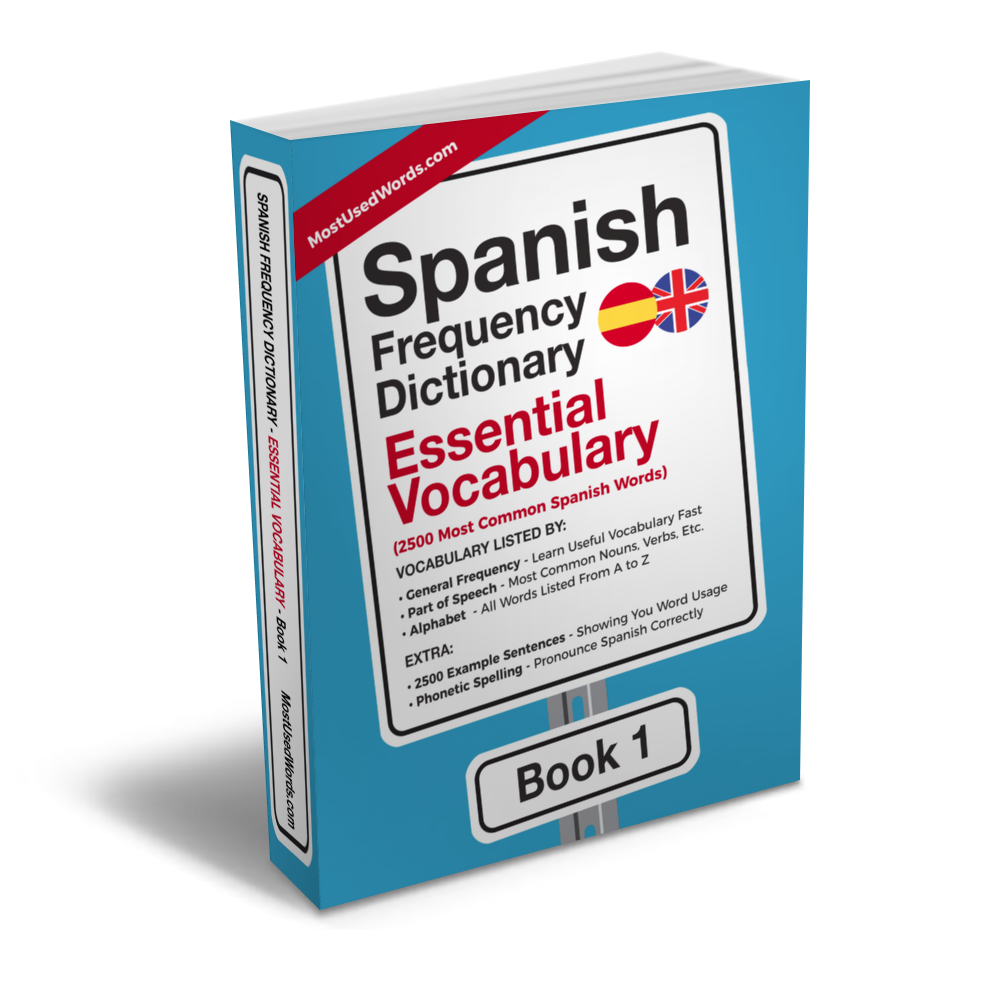
2,500 most common Spanish words with IPA pronunciation & bilingual example sentences
What is "Passing" in Spanish?
The noun "passing" can be translated into Spanish as paso (IPA: /ˈpaso/), fallecimiento (IPA: /faˈʎeθiˈmjento/) or tiempo transcurrido (IPA: /ˈtjempo tɾanskuˈɾiðo/) . Each term carries a distinct meaning and usage in Spanish-speaking cultures.
Meaning of "Passing" in Spanish
Want to improve your Spanish?
The Spanish Frequency Dictionary series covers the 10,000 most common Spanish words — ranked by how often native speakers actually use them, with IPA pronunciation, English translations, and bilingual example sentences at every level.
Browse all 4 volumes →The context is crucial when translating 'passing' into Spanish. Here are some examples:
-
Paso: This word describes the concept of time moving forward, indicating the gradual progression of minutes, hours, days, or years.
Example sentence: El paso del tiempo. (The passing of time.) -
Fallecimiento: This term specifically refers to the act of dying or the passing away of a person.
Example sentence: Lamentamos el fallecimiento de nuestro querido amigo. (We regret the passing of our dear friend.) -
Tiempo transcurrido: It refers to the amount of time that has gone by or elapsed.
Example sentence: Calcula el tiempo transcurrido desde el inicio del proyecto. (Calculate the time passed since the beginning of the project.)
How to Say "Passing Away" in Spanish
When referring to someone passing away, use fallecimiento. Here are some additional sentences:
- El fallecimiento de mi abuela fue muy triste. (The passing of my grandmother was very sad.)
- Hemos perdido a un gran amigo por el fallecimiento repentino. (We have lost a great friend due to sudden passing.)
Spanish Word for Time Going By
To express the concept of time going by, use tiempo transcurrido. Here are some examples:
- No puedo creer cuánto tiempo ha pasado desde nuestra última reunión. (I can't believe how much time has passed since our last meeting.)
- El tiempo transcurrido desde la graduación es increíblemente rápido. (The time that has gone by since graduation is incredibly fast.)
Cultural Context of "Passing" in Spanish-Speaking Countries
In many Spanish-speaking cultures, the concept of 'passing' carries significant emotional weight. For instance, fallecimiento is often used in formal settings to express condolences.
Usage in Idiomatic Expressions and Proverbs
The term "pasar" (to pass) can be found in many idioms. For example:
- No pasa nada. (It's nothing, no big deal.)
- Pasar el tiempo. (To spend time.)
How to Say "Passing" in Spanish: Sample Sentences
Here are five sample sentences you can use:
- Observamos el paso de las estaciones del año.
- Lamentamos el fallecimiento de tu abuelo.
- El tiempo transcurrido desde la última reunión es de dos semanas.
- Su triste deceso dejó un vacío en nuestras vidas.
- La muerte de su mascota fue un momento muy difícil para ella.
The passing of time is inevitable.
We regret the passing of your grandfather.
The time passed since the last meeting is two weeks.
His/her sad passing left a void in our lives.
The passing of her pet was a very tough moment for her.
Build Your Spanish Vocabulary Systematically
The fastest way to grow your Spanish vocabulary is to start with the words you'll actually encounter every day. The Spanish Frequency Dictionary covers the 2,500 most common Spanish words, each with IPA pronunciation, an English translation, and bilingual example sentences.
Browse the full range of Spanish frequency dictionaries to find the volume that matches your level.