How to Say Or in Spanish | Master the Conjunction O
Updated for 2026, this guide explains how to say "or" in Spanish using the word "o". Understanding its usage is essential for expressing alternatives clearly.
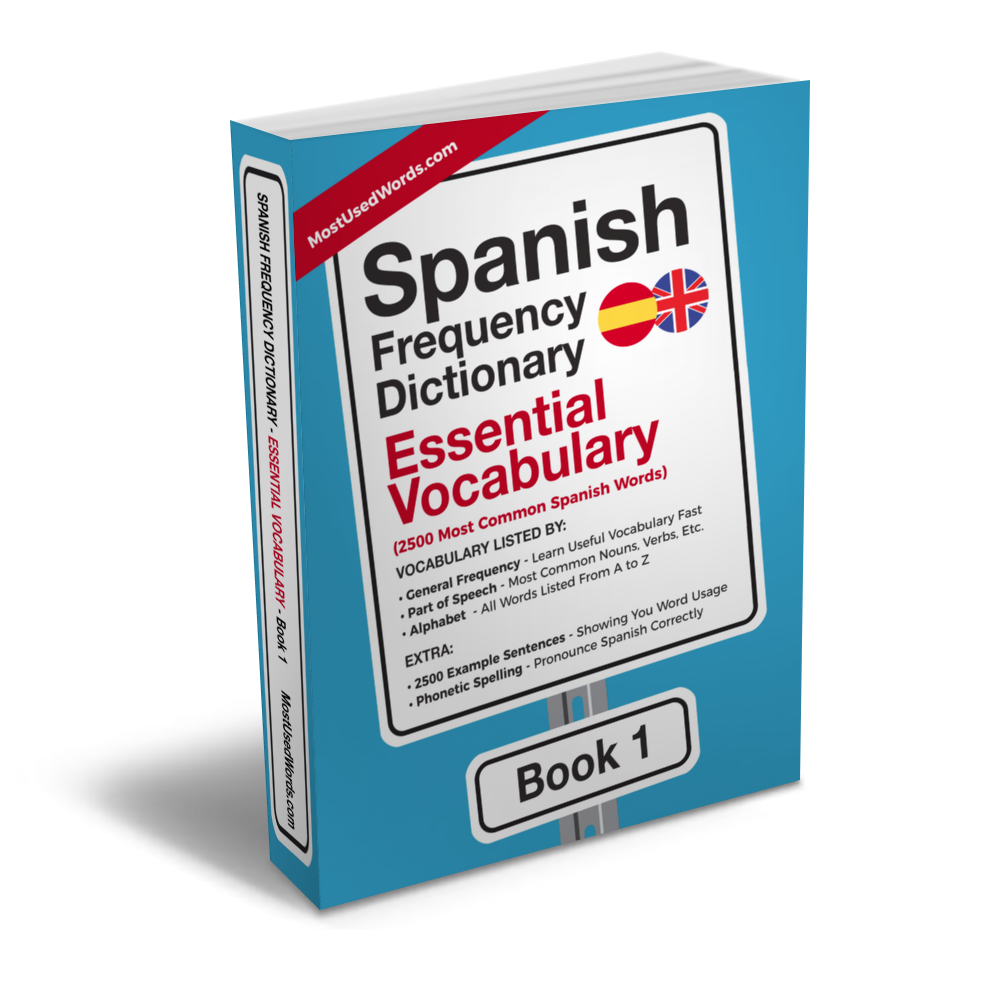
2,500 most common Spanish words with IPA pronunciation & bilingual example sentences
Meaning of 'Or' in Spanish
The English conjunction "or" translates to "o" in Spanish. It's used to present alternative options, choices, or decisions. For example: "¿Quieres té o café?" (Do you want tea or coffee?) and "Vas a ir al cine o a la playa?" (Are you going to the cinema or the beach?). This versatile conjunction can be used in various contexts.
Usage of 'Or' in Different Sentence Structures
Want to improve your Spanish?
The Spanish Frequency Dictionary series covers the 10,000 most common Spanish words — ranked by how often native speakers actually use them, with IPA pronunciation, English translations, and bilingual example sentences at every level.
Browse all 4 volumes →The Spanish word "o" is consistent across formal and informal settings, but its context may vary. In formal writing or speaking, it's often used to present options clearly and concisely, while in casual conversations, it can be more relaxed.
Examples of Complex Sentences Using 'O'
To illustrate the versatility of "o", consider these complex sentences: "Puedes ir a la fiesta o puedes quedarte en casa y ver una película." (You can go to the party or you can stay at home and watch a movie.) and "¿Prefieres estudiar español por la mañana o por la tarde?" (Do you prefer studying Spanish in the morning or in the afternoon?). These examples show how "o" can be used effectively in different sentence structures.
Common Phrases Using 'Or'
In addition to basic usage, there are several common phrases that use "or". For instance: "O bien" (either way) and "Ya sea" (whether it be). These expressions add nuance and flexibility to your Spanish communication.
Regional Differences in the Use of 'Or'
The meaning of "or" is consistent across Spanish-speaking countries, but regional variations exist. In Spain, you might hear "¿Quieres ir a la playa o al cine?" while in Latin America, the same question could be phrased as "¿Vas a ir a la playa ya sea al cine?" Understanding these nuances can enhance your communication.
Spanish Alternatives to Conjunctions
In some regions, alternatives like "bien sea" or "ya sea" are used instead of "o". These variations highlight the richness and diversity of Spanish language usage across different cultures.
How to Say 'Or' in Spanish: Sample Sentences
To help you master the use of "or", here are several sample sentences:
- "¿Quieres ir a la playa o al cine?" (Do you want to go to the beach or the cinema?)
- "Puedes tomar el tren o puedes conducir tu coche." (You can take the train or drive your car.)
- "¿Prefieres comer en un restaurante o cocinar en casa?" (Do you prefer eating at a restaurant or cooking at home?)
- "Puedes estudiar hoy o puedes hacerlo mañana." (You can study today or tomorrow.)
- "¿Quieres ir al parque o quedarte en casa?" (Do you want to go to the park or stay at home?)
Build Your Spanish Vocabulary Systematically
The fastest way to grow your Spanish vocabulary is to start with the words you'll actually encounter every day. The Spanish Frequency Dictionary covers the 2,500 most common Spanish words, each with IPA pronunciation, an English translation, and bilingual example sentences.
Browse the full range of Spanish frequency dictionaries to find the volume that matches your level.