How to Say Nervous in Spanish | Synonyms and Cultural Contex
As of 2026, the word for "nervous" in Spanish is nervioso (IPA: /neɾˈβjoso/). This term is widely used across various Spanish-speaking countries to describe an emotional state characterized by unease or restlessness. Understanding how to express nervousness and anxiety in different cultural contexts can greatly enhance your communication skills when traveling or living in a Spanish-speaking environment.

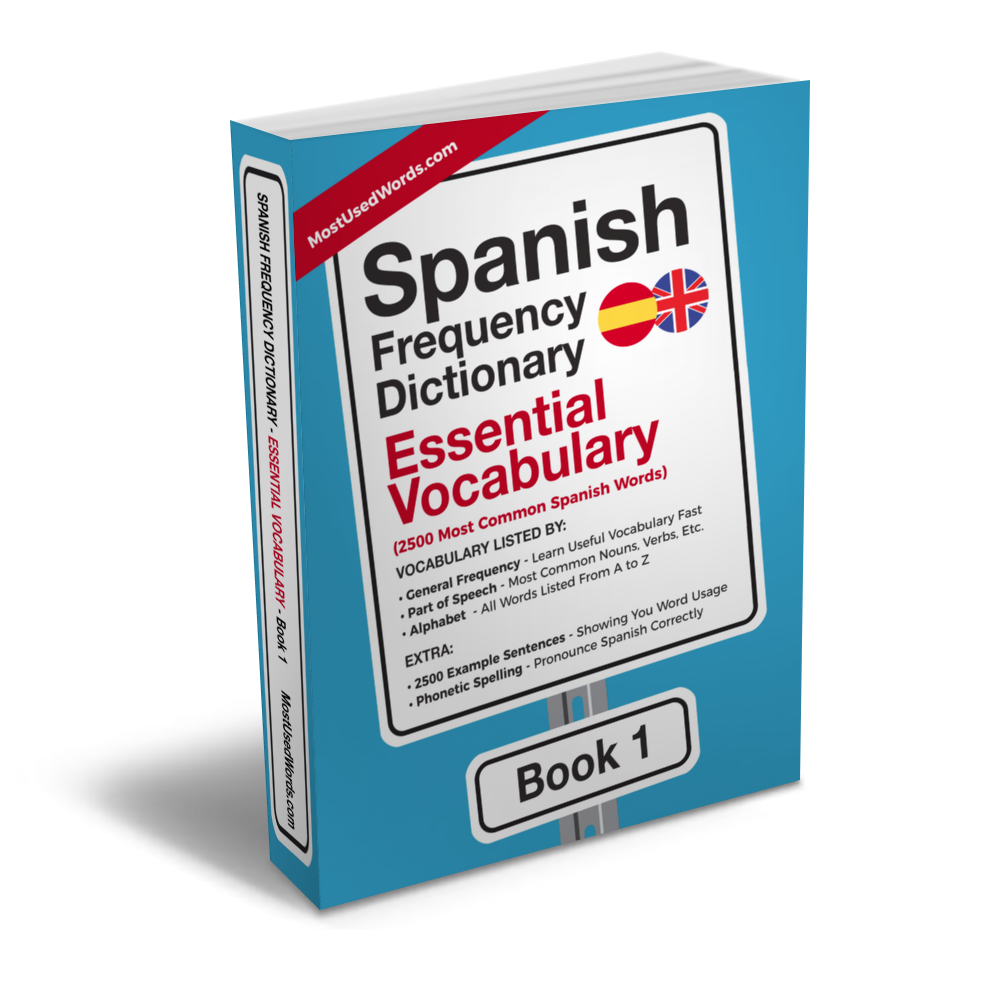
2,500 most common Spanish words with IPA pronunciation & bilingual example sentences
Understanding Nervousness in Spanish
"Nervioso" is a versatile word that captures the feeling of being uneasy or restless. This emotional state can arise from various situations such as public speaking, exams, job interviews, or unexpected events.
Common Phrases and Idioms Related to Nervousness
Want to improve your Spanish?
The Spanish Frequency Dictionary series covers the 10,000 most common Spanish words — ranked by how often native speakers actually use them, with IPA pronunciation, English translations, and bilingual example sentences at every level.
Browse all 4 volumes →In addition to "nervioso," Spanish speakers often use idiomatic expressions to convey nervousness. For example:
- Tener los nervios a flor de piel: To have your nerves on the surface, meaning you are extremely sensitive or easily upset.
- Estar como un flan: Literally "to be like pudding," which means to feel very nervous and unsure of oneself.
Synonyms for Nervous in Spanish
Here are some synonyms of "nervioso" along with their meanings:
- Inquieto (IPA: /inˈkjje.to/): Restless or agitated.
- Agitado (IPA: /a.ɣiˈta.ðo/): Excited or disturbed.
- Ansioso (IPA: /anˈsjoso/): Anxious or eager.
- Tenso (IPA: /ˈten.so/): Tense or uptight.
- Intranquilo (IPA: /inˈtɾaŋ.ki.lo/): Uneasy or unsettled.
- Preocupado (IPA: /pɾe.o.kuˈpa.ðo/): Worried or concerned.
- Excitado (IPA: /ek.siˈta.ðo/): Excited or aroused.
- Acongojado (IPA: /a.konˈɡo.xa.ðo/): Distressed or overwhelmed.
- Temeroso (IPA: /te.meˈɾo.so/): Fearful or apprehensive.
- Inseguro (IPA: /in.seˈɣu.ɾo/): Insecure or uncertain.
Cultural Context of Nervousness in Spanish-Speaking Countries
In many Latin American countries, body language can be a significant indicator of nervousness. For example:
- In Mexico, people might rub their hands together or fidget with objects when they are feeling anxious.
- In Spain, individuals may frequently check their watches or phones as a sign of unease.
How to Say "Nervous" in Spanish: Sample Sentences Using Synonyms
Here are five sample sentences using synonyms for "nervioso:
- Mi hermana se pone de nervios cuando tiene que hablar en público.
My sister gets nervous when she has to speak in public.
- Estoy muy intranquilo antes del examen.
I am very uneasy before the exam.
- Tengo los nervios a flor de piel en la entrevista de trabajo.
I have my nerves on the surface during the job interview.
Build Your Spanish Vocabulary Systematically
The fastest way to grow your Spanish vocabulary is to start with the words you'll actually encounter every day. The Spanish Frequency Dictionary covers the 2,500 most common Spanish words, each with IPA pronunciation, an English translation, and bilingual example sentences.
Browse the full range of Spanish frequency dictionaries to find the volume that matches your level.