How to Say Naked in Spanish | MostUsedWords.com
Updated for 2026, the word "naked" in Spanish can be expressed using several terms depending on the context. This article will guide you through the nuances of expressing nudity in Spanish, including cultural considerations and practical usage scenarios.
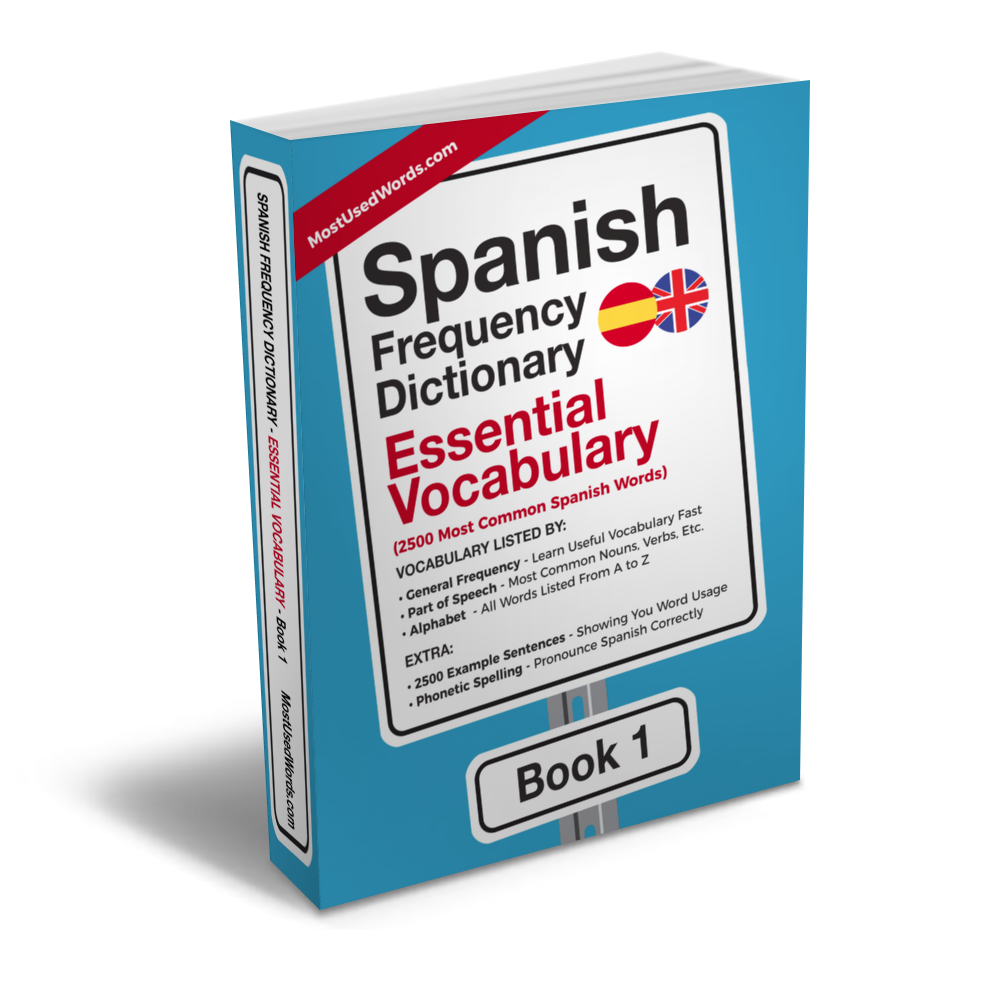
2,500 most common Spanish words with IPA pronunciation & bilingual example sentences
How to Say Naked in Spanish
The term "naked" in Spanish is commonly translated as "desnudo". However, there are other ways to express this concept depending on the situation:
- Desnudo (IPA: /desˈnu.do/): This substantive form refers to a state of being without clothing, exposing the body.
- Desnudar (IPA: /des.nu.ˈdaɾ/): The verb form means to take off one's clothes or remove coverings from something.
- Al desnudo (IPA: /al des.ˈnu.do/): This phrase refers to the act of exposing truth or reality, revealing it completely.
- En cueros (IPA: /en ˈkwe.ɾos/): A phrase meaning being without clothes, naked, exposed.
- Desnudez (IPA: /des.ˈnu.ðez/): This substantive form refers to the state or quality of being naked or exposed.
- Desnudarse (IPA: /des.nu.ˈdaɾ.se/): The verb form means to undress oneself or reveal one's feelings/thoughts without reserve.
Cultural Context and Taboos Around Nudity
Want to improve your Spanish?
The Spanish Frequency Dictionary series covers the 10,000 most common Spanish words — ranked by how often native speakers actually use them, with IPA pronunciation, English translations, and bilingual example sentences at every level.
Browse all 4 volumes →In many Spanish-speaking cultures, the concept of nudity can vary widely. Some regions may view it more openly in certain contexts like beaches or naturist communities, while others might have stricter norms around public exposure. Understanding these cultural nuances is crucial when using terms related to nakedness.
Expressions of Modesty and Shame Regarding Nakedness
In Spanish-speaking cultures, there are specific expressions used to convey modesty or shame regarding nudity:
- "Estoy desnudo/a": I am naked (used more casually).
- "Tengo vergüenza de estar desnudo/a": I feel ashamed of being naked.
- "No me siento cómodo/a sin ropa": I don't feel comfortable without clothes.
Sample Sentences with Different Contexts
To better understand how these terms are used in various situations, here are some sample sentences:
- Medical context: El paciente estaba desnudo para la exploración física. (The patient was naked for the physical examination.)
- Artistic expression: La escultura representaba a una figura humana en cueros, simbolizando libertad y pureza. (The sculpture depicted a human figure in the nude, symbolizing freedom and purity.)
- Animal context: El zorro estaba desnudo después de que se le quitó la piel durante el proceso de taxidermia. (The fox was naked after its skin had been removed during the taxidermy process.)
- Social context: No me siento cómodo/a en una reunión sin ropa. (I don't feel comfortable at a gathering without clothes.)
How to Use These Terms Politely in Conversation
When discussing nudity, it's important to use polite language and consider the cultural context:
- Avoid direct references: Instead of saying "Estoy desnudo/a," you might say "Tengo que cambiarme de ropa" (I need to change my clothes).
- Use euphemisms: Expressions like "estoy en mi estado natural" (I am in my natural state) can be used more discreetly.
Body Parts Related to Nudity in Spanish
In addition to the general terms for nakedness, it's useful to know some body parts related to nudity:
- Pecho (chest): Often used when discussing nudity.
- Cuerpo (body): General term referring to the entire human form without clothing.
- Brazo (arm), pierna (leg): Specific body parts that may be exposed in a naked state.
Build Your Spanish Vocabulary Systematically
The fastest way to grow your Spanish vocabulary is to start with the words you'll actually encounter every day. The Spanish Frequency Dictionary covers the 2,500 most common Spanish words, each with IPA pronunciation, an English translation, and bilingual example sentences.
Browse the full range of Spanish frequency dictionaries to find the volume that matches your level.